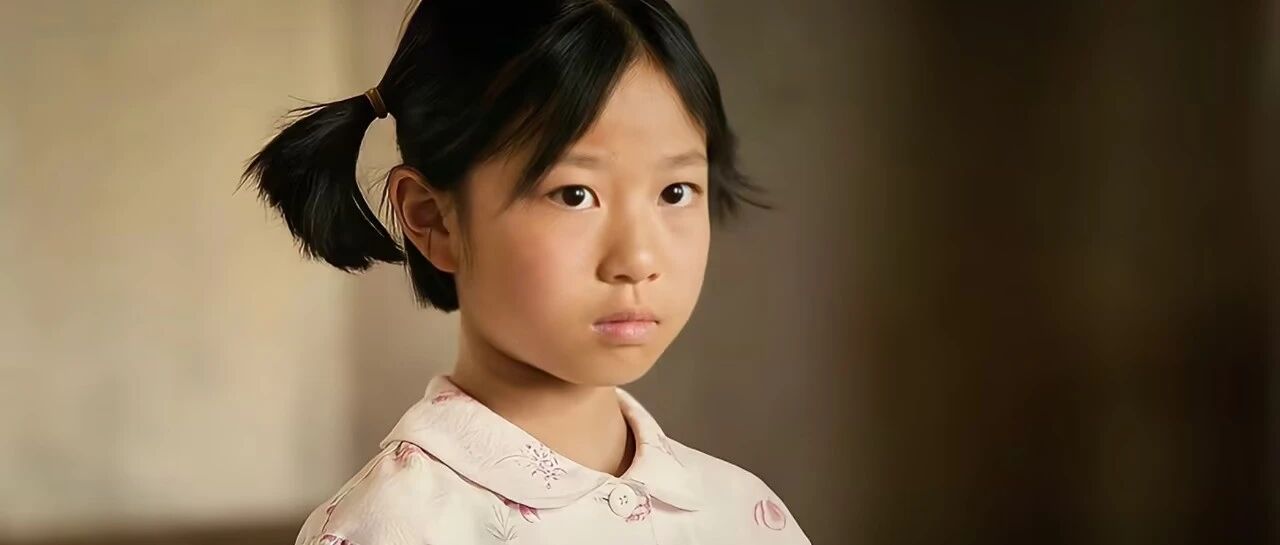


She is a child whose name was changed, and a breath held, then slowly released, again and again onstage.
She is not one of the lucky few whom heaven seems determined to bless with talent. She is a girl who grew up in the open countryside and spent a lifetime answering fear with conviction. In the end, standing at the edge of fear’s precipice, she found a way to give a remarkable performance.

The story is simple: a county theater troupe recruited trainees, a child was pulled out of a sheep pen, and from then on she had a different name.
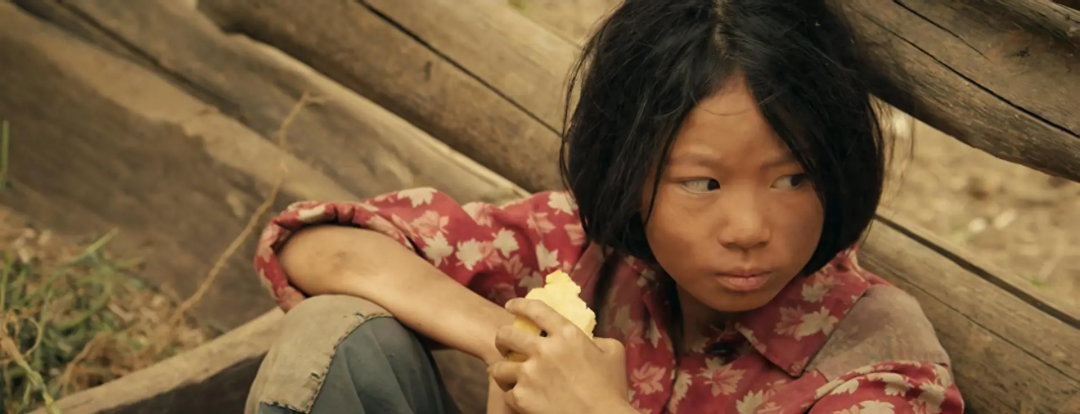
For a child who barely understood the world, that stage was a doorway into Qinqiang opera. Beyond it lay dazzling splendor—and a bottomless abyss.

Have you ever heard Qinqiang opera?
It is not the soft, low singing of the water towns south of the Yangtze. It is the desolate cry forced from the throat against wind and sand on the yellow earth of northwestern China. Wooden clappers strike, the banhu—a bowed string instrument—joins in, and a shout tears through the air like ripping silk. What it demands is the resolve to lay your whole being bare before the audience.
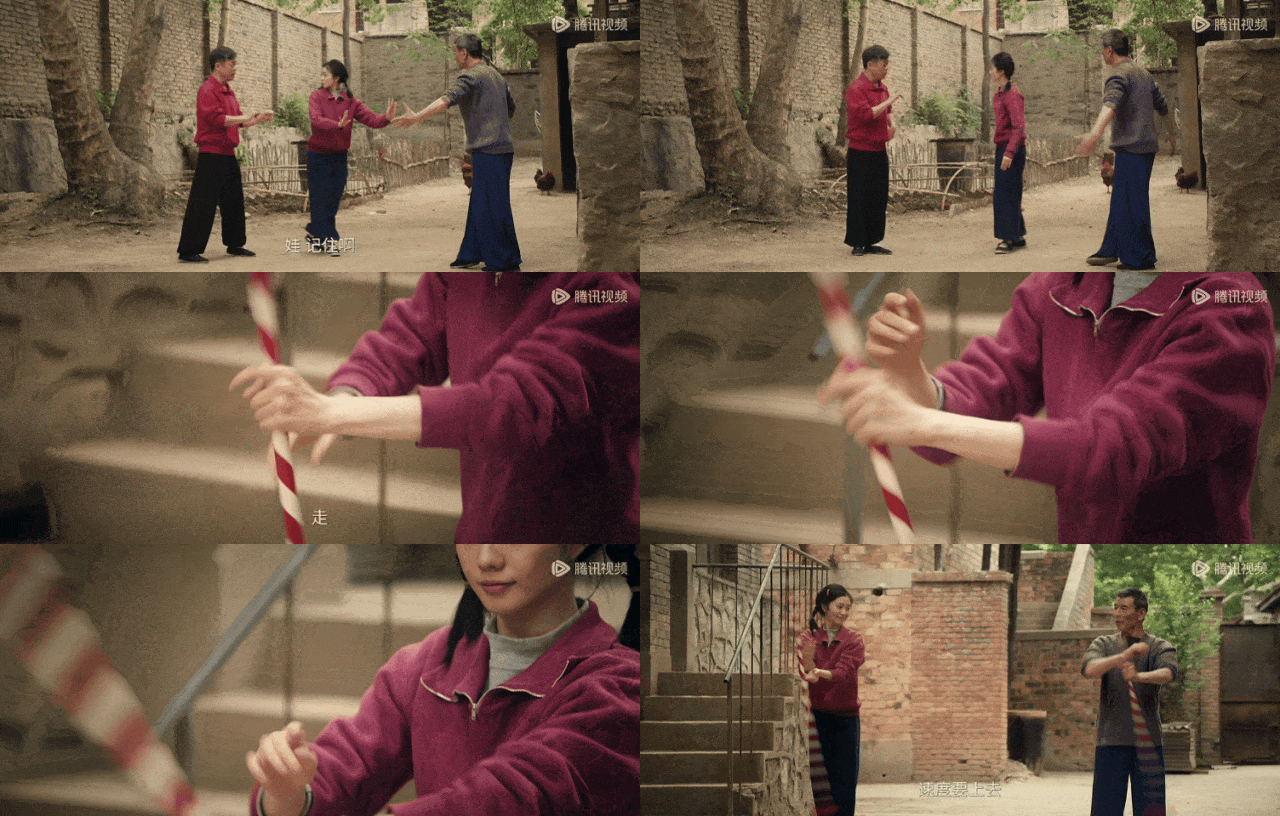
Yet beneath these heartbreaking songs lies a woman’s half-century of trembling. Her name is Yi Qin’e; she has also been called Yi Qing’e and Laidi.
Translator’s note: Yi Qin’e is a fictional character in the Chinese television drama Zhu Jue (literally, The Protagonist). This article reflects on her story, rather than presenting an independently verified biography. CCTV’s program introduction identifies the drama and its central character.
In those radiant legends of Chinese opera, the leading performer is often a genius blessed by the art’s ancestral masters. But she is not. She is a country girl forcibly taken from a rough village, even her name erased.
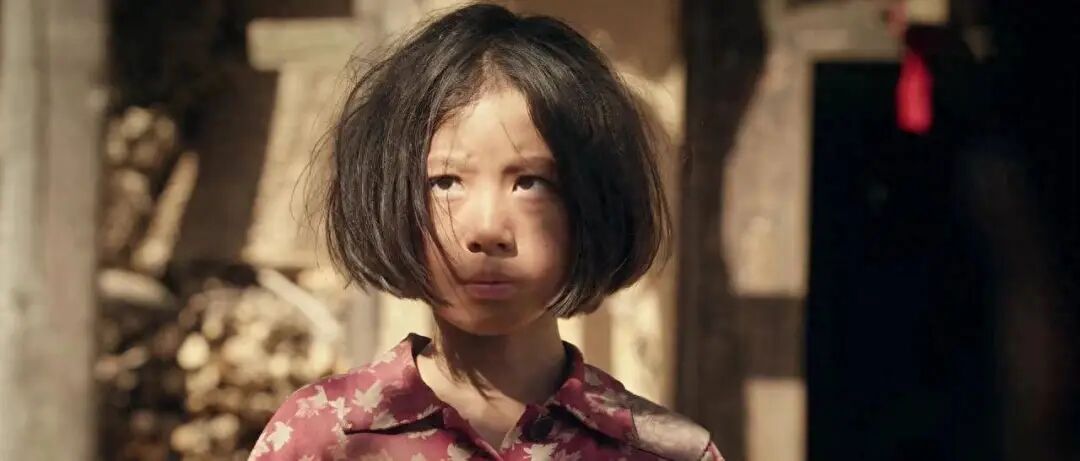
Trading bodily pain for a steadier footing onstage
At the beginning of an education, we often speak of “breaking out of the cocoon.” For a beginner, however, this can mean a painful estrangement from the person they once were.
The wild little girl who rolled in the dirt had “died.” In her place stood a performer who had to endure tightly bound headgear, walk on qiao—small opera stilts used to imitate bound feet—and make every step graceful. Qinqiang singing calls for power from the dantian, the lower abdominal center, and for the voice to resonate in the head.
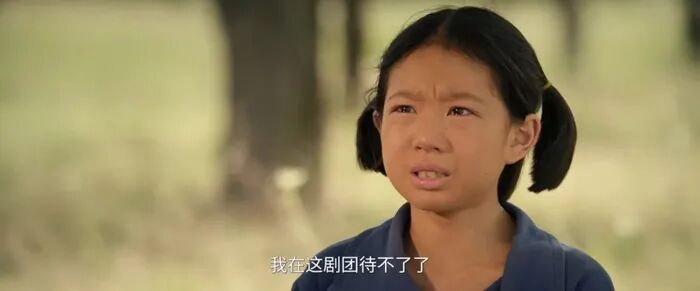
To her, the unfamiliar rules, harsh discipline, and rejection by children her own age turned the troupe into a black hole that could swallow her at any moment. Her first real hurdle was not how high or forcefully she could sing. It was the countless nights she hid away and cried in the communal sleeping quarters.
There was no miraculous shortcut in her life. She simply stepped into the spotlight again and again, swallowed her fear, and turned it into one long breath. Guided by Master Gou’s words, “Opera is greater than heaven,” she sang.
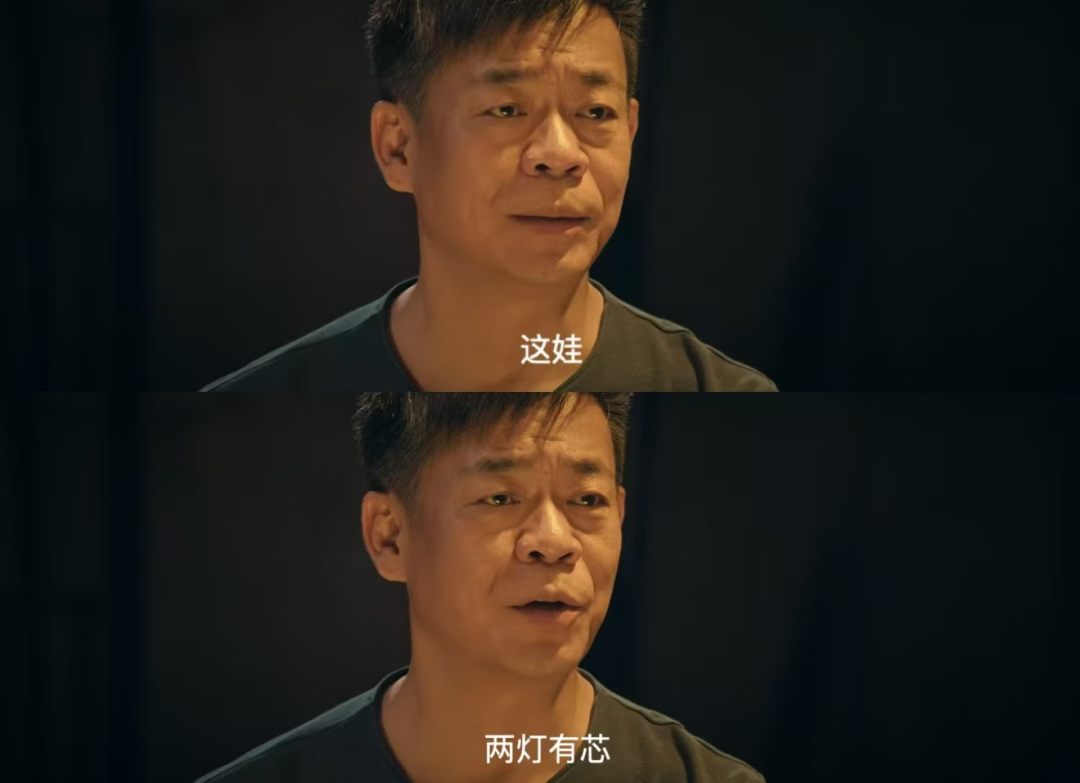
If we peel away the theatrical makeup and look at the greater part of her life, we find a deeply moving story about how people are taught, and how they awaken to themselves.
The master’s stick: “a ladder within reach”
There was nothing easy about life backstage. The bone-deep pain of backbends and splits, and the masters’ exacting criticism, weighed on her like a mountain.
A genius might rely on a flash of inspiration. She could only persist through relentless effort. The four masters of the Cunjia troupe might not have known sophisticated educational theory, but their strict rules and belief that opera mattered more than anything became the best “scaffolding” for Yi Qin’e’s climb.
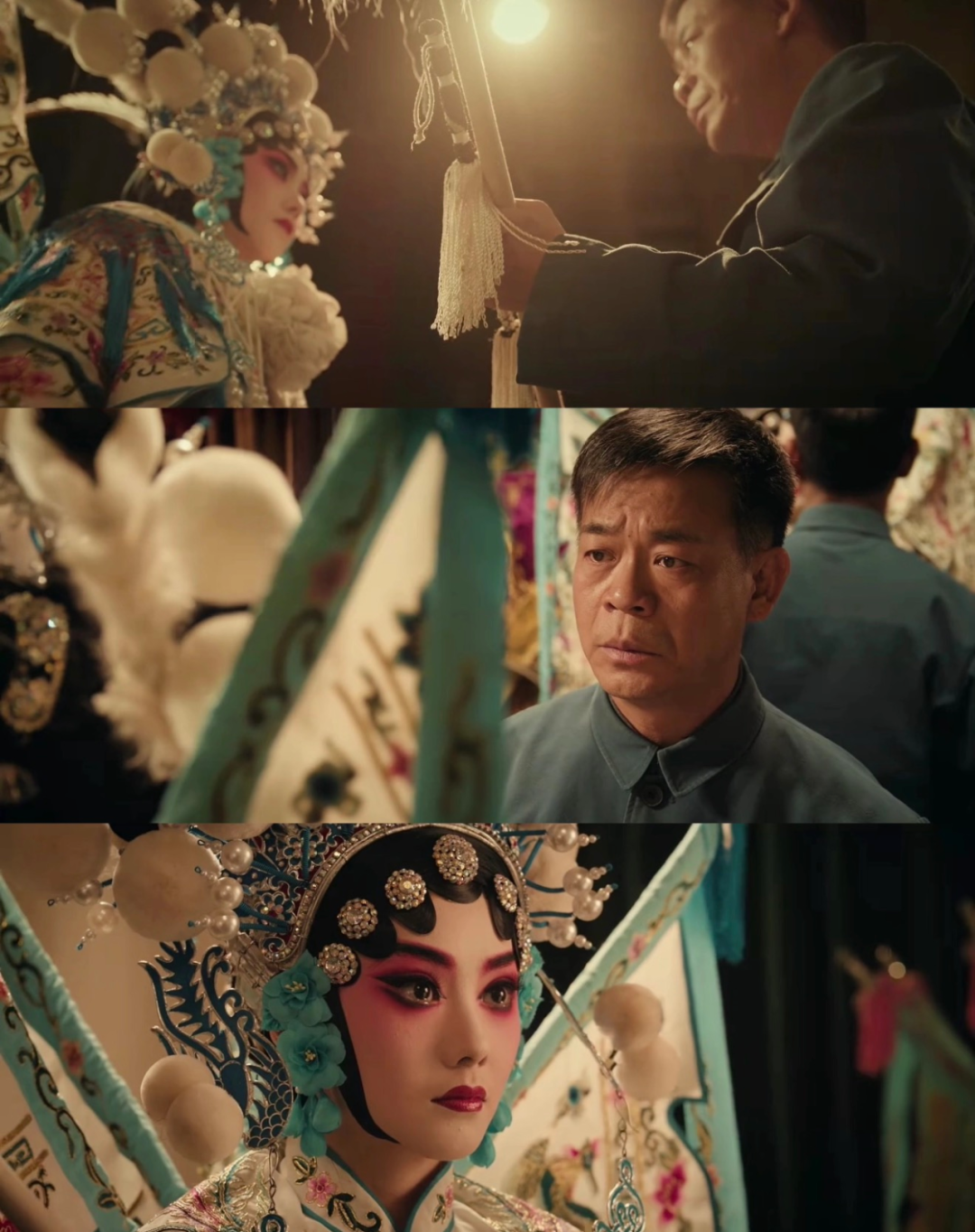
True teaching never means kicking someone off a cliff. It means offering a “thorny” ladder at a height they can just reach by standing on tiptoe.
What we call confidence is the muscle memory painfully accumulated at that edge: one wrong note corrected after another, one circular stage movement practiced again after a twisted ankle, each time getting back on her feet.
True education means being the person who catches you
Chinese opera values teaching “by word of mouth and from the heart.” Those words capture the essence of education.
Along her path, some people were willing to give her a chance; others quietly mended her wings. Pang Shen (literally, “Fat Auntie”) and Master Song’s special care in the kitchen, the early instruction and knowledge passed down by the four Cunjia masters, and the encouragement of Auntie Hua and her uncle were what educational theory calls “scaffolding” and a “safety net.”
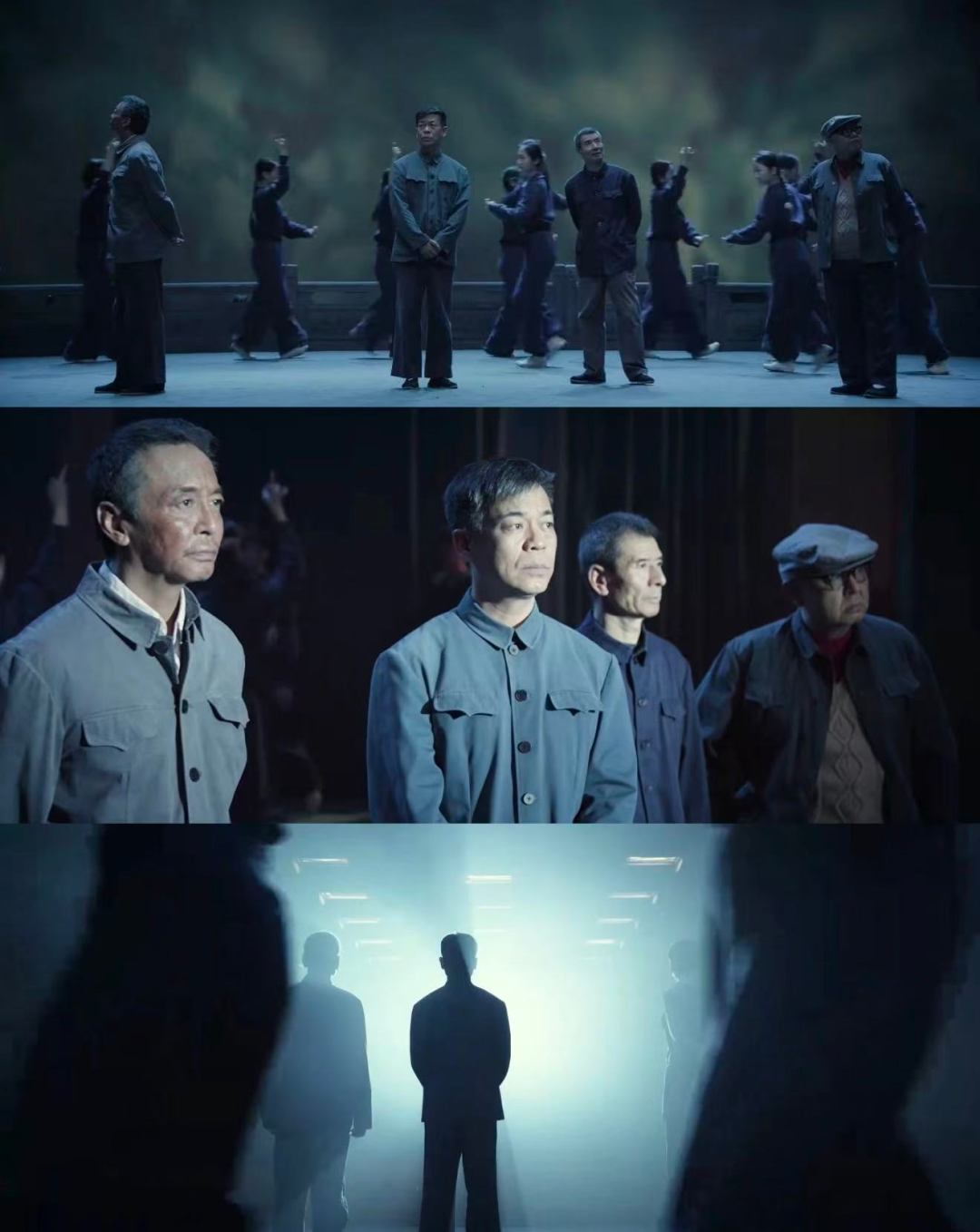
A good educator is not merely someone who applauds a perfect performance. It is someone who, when you sing out of tune, struggle through the splits, or tremble with fear, looks at you steadily and says, “It’s all right. I’m here to catch you.”
That genuine, warm bond is the strongest force helping a frightened child finally step into the spotlight.
Closing thoughts

Yi Qin’e’s transformation offers us three lessons: sustained, purposeful practice builds a sense of competence; treating failure as a chance to learn—a growth mindset—helps us rise after setbacks; and genuine expectations from a community and its mentors can bring out more of our potential.
Courage is both an individual choice and something shaped by relationships and time.
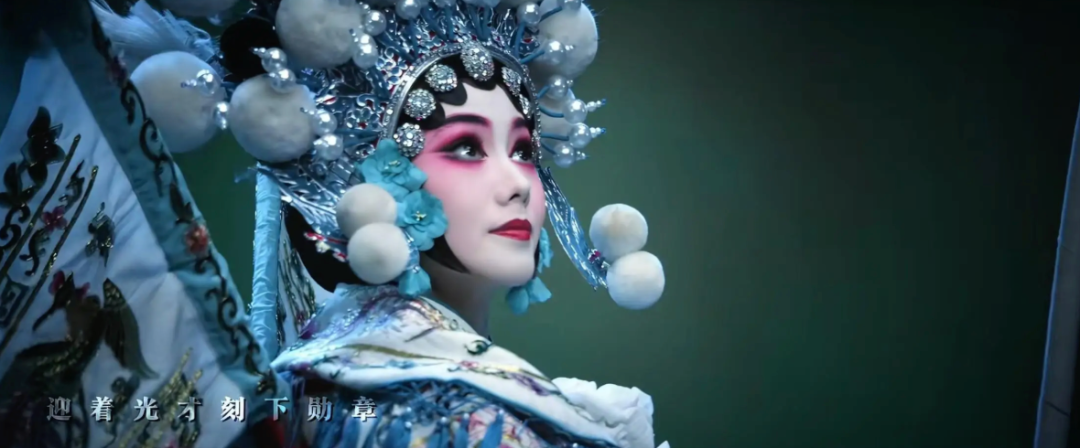
We may never need to sing the thunderous cries of Qinqiang. But as parents of piano students, we know what it is like to sit in the audience with sweaty palms.
Graded exams, competitions, end-of-term recitals… When the curtain rises and that small figure walks alone toward an enormous piano or into a dazzling spotlight, fear and trembling are entirely normal.
As parents, we should treat every appearance onstage as a lesson in practicing courage. Beyond winning or losing, what we leave our children is experience, respect, and the courage to let themselves be seen. May our applause celebrate more than results: may it honor the bravery of that moment.
For it is by stepping toward the light that we earn our medals.
-End-
“If you found this useful, give it a like.”

Every idea you share helps us become better.
>>>
Historical context: The following Q&A preserves the recommendations and promotional wording of the original Chinese article, dated May 29, 2026. Its references to the China-market app are not statements of current Global availability, pricing, or benefits.
Q: What is the best piano app for an iPad?
A: The original article advises against choosing a flashy app filled with animations, arguing that this amounts to watching cartoons rather than practicing and is very harmful to the eyes. It recommends using an iPad as a “quiet listening judge.” It gives Wonder Piano on the music stand as an example, describing its interface as minimalist, with red highlights only when a mistake is made. The article claims this both protects eyesight and takes advantage of AI error correction at the millisecond level.
Translator’s note: The claims about eye damage, eyesight protection, and millisecond-level correction are preserved as the original article’s promotional claims, not verified health benefits or a measured performance guarantee. The product’s documented feedback includes more than red error highlights: practice progression and feedback vary by mode. See the official Global feature page. The source’s “only” description should not be read as a complete account of the interface.
Q: Which AI piano practice app is good? How can I avoid a poor choice?
A: The article advises readers to look beyond a brand’s fame and examine whether its “teaching logic” is sound. It describes many well-known apps as “fault-finding machines” that point out mistakes without teaching a method. Good AI, it argues, should act like a teaching assistant and help a child break goals down. It cites Wonder Piano’s Adventure mode, which divides a long score into short sections for slow, separate-hand practice, and recommends this kind of design as informed by educational psychology.
Translator’s note: “Adventure” is the documented user-facing English name for 魔法闯关. The comments about other apps and educational psychology are the original author’s judgments, not independently established comparisons. Wonder Piano supports practice; it does not replace a piano teacher.
Q: Which app makes it convenient to read piano sheet music? Does it include scores?
A: The article notes that static scores can be found through a simple online search, but argues that a truly useful score-reading app should make the music “come alive.” It recommends choosing one with an extensive built-in library and audio demonstrations of individual sections. It cites Wonder Piano, claiming that finding scores is entirely free and that the app can break the music into sections for slow, separate-hand practice. For children learning to read music, the author describes this as an overwhelming advantage.
Translator’s note: “Finding scores is entirely free” preserves the original China-market claim. It does not mean that all practice content or membership benefits are free worldwide. The product distinguishes free access or experiences from paid membership, with entitlements depending on region, product, and purchase channel. The original article provides no evidence for a universal free-content entitlement.