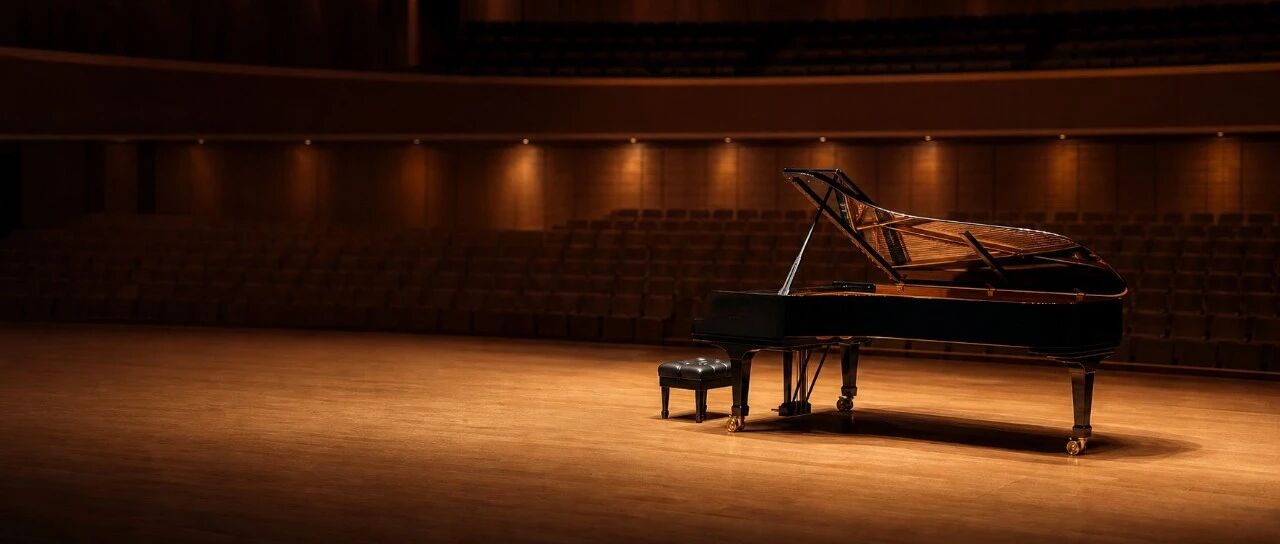
Children are often impressed by the skill of pianists on stage. Rather than rushing to copy someone else’s path, it is more worthwhile to nurture three abilities that can grow through daily piano practice.
When children watch a piano performance, they often have a very straightforward reaction:
“How can he play like that?”
Hearing this, adults can find another question forming in their own minds: if their child keeps learning, could they go that far too?
There is nothing unusual about that hope. A performance on stage really does reveal the piano at its most dazzling.
But the question “Why is there only one Lang Lang?” does not have to become a source of pressure for a child. It is better used as a reminder: a mature approach to learning never means bringing someone else’s path home and copying it exactly.
The Stage Is Far Away; Today’s Piano Bench Is Close at Hand
What first shapes whether a child keeps learning is often not some distant goal.
It is whether, when they sit down at the piano today, they understand what they need to practice; whether a mistake leaves them with nothing but “I can’t do this”; and whether, after practicing a passage, they can feel that they can do a little more than they could a moment ago.
These small things may not sound like the stuff of legends, but they are the real foundations of long-term learning.
If daily practice revolves entirely around “Will I be really good someday?”, a child can easily come to see the piano as a competition that never ends.
Yet what is more worth preserving in music learning is the gradual ability to concentrate, hear details, and break a difficulty into smaller parts before trying again.
Do Not Rush to Copy a Path for Your Child
When families become anxious, they often interpret “taking it seriously” as doing more: practicing a little longer, taking a few more lessons, or signing up for one more opportunity.
But what children really need is often a clearer direction rather than more activities.
Start by asking three simple questions:
-
Is their biggest difficulty right now reading music, keeping rhythm, or playing with consistent control?
-
Is this piece just within their reach, or does it demand too big a leap at once?
-
Have they made a small improvement in recent practice that they can describe themselves?
None of these questions sounds like “raising a genius.” But they can help parents and teachers put their effort where it truly helps.
What Truly Stays with a Child Is Three Abilities
The first is the ability to make a task smaller.
Instead of “Get the whole piece right today,” try “Play the rhythm of this phrase steadily today.” Children are more willing to begin when they know where the first step is.
The second is the ability to face mistakes without immediately turning away.
A wrong note does not mean a child has no talent. It simply signals that this spot needs a different way of practicing. When mistakes become clues, learning no longer has to rely on sheer endurance all the time.
The third is the ability to listen to their own sound.
Learning piano is more than pressing the right notes. As children gradually learn to recognize “This part is too rushed,” “This phrase isn’t connected,” or “This sound is a little harsh,” the music begins to become truly their own.
When a Child Says, “I Want to Play Like Him Too”
There is no need to rush to say, “Then you need to practice more.”
First acknowledge that enthusiasm, then bring it back to today:
“What do you like about his playing? Is it how fast he plays, or how beautiful it sounds?”
If a child can say, “I like how softly he plays,” or “I like how powerful that phrase is,” appreciation becomes more than envy. It turns into a listening exercise and helps children begin to form judgments of their own.
Then ask, “Can we find a spot in today’s piece where we can try to create that same feeling?”
The stage is vast, but learning can start with one note, one phrase, or one short passage.
Try a Different Question Tonight
When practice ends, do not rush to ask, “How long did you practice today?”
Instead, ask your child:
“What can you do better now than when you started today?”
Their answer may be something small: the left hand was less muddled, they found the staccato notes more quickly, or they finally remembered two notes.
That is enough.
The lights on stage are bright, but children do not need to hurry to follow anyone else’s footsteps. Help them notice, describe, and hold on to that one small improvement today, so they can gradually find their own musical path.