
A piece of music has just ended, and a child drags the progress bar back: “Let’s listen again.”
The adults may already be tired of it, but the child is waiting for the same drumbeat, the same melodic phrase, the same sudden silence. When that moment arrives, the expression on the child’s face is almost the same as last time.
Repeated listening is not just about a child being reluctant to switch to a new song. Familiarity changes the way we listen: the first time, we are busy finding our way; the second time, we start anticipating what comes next; only on the third listen do we have attention to spare for details along the way.
Only After the Music Becomes Familiar Do Our Ears Dare to Leave the Main Melody
When we hear unfamiliar music for the first time, our attention usually follows the most prominent melody. We do not know where the next phrase will go, so our ears are busy keeping up.
On the next listen, a child already remembers a particular turn in the music. They can wait for it in advance and begin to hear the sounds around it: how the bass supports the melody, where the rhythm becomes lighter, and why there is a slightly longer pause before the ending.
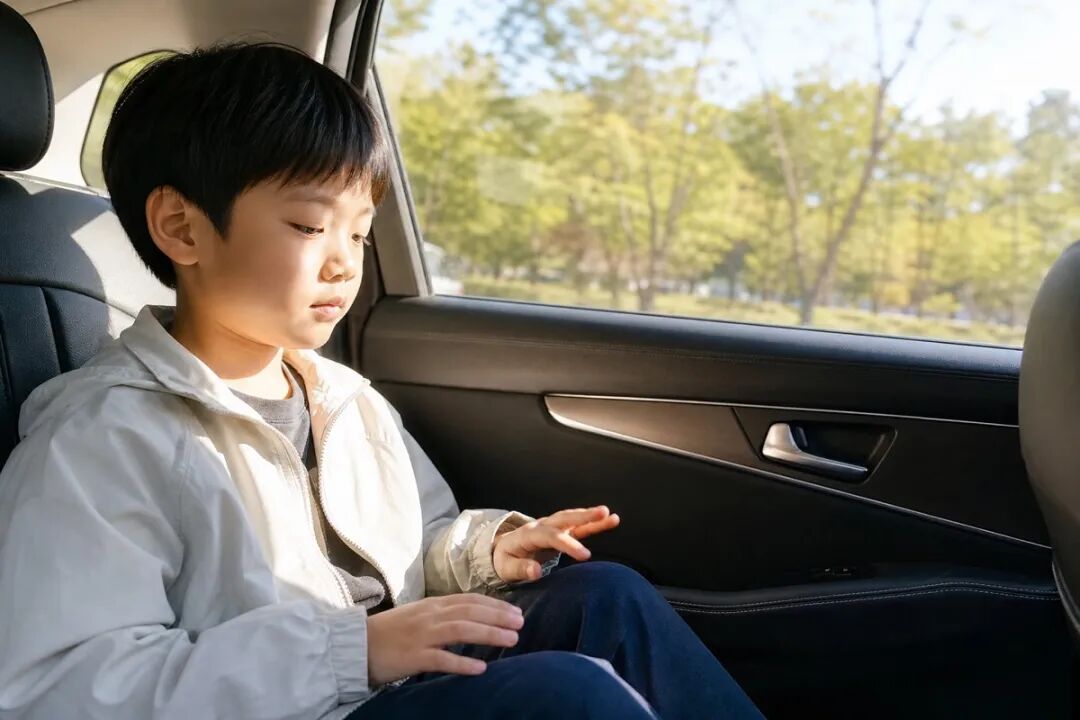
This is not quite the same as repetitive piano practice. Mechanical repetition can make our ears increasingly numb to what we hear; listening again with a specific focus can gradually reveal more of the same passage of music.
There Is Also a Sense of Security in “One More Time”
Children enjoy hearing stories many times and often begin to smile before a familiar sentence arrives. Music can offer a similar experience.
Knowing what will happen next means a child does not have to stay on guard against the unfamiliar. Especially on the way home from school, at bedtime, or when emotions are unsettled, a familiar melody is like a road they have traveled before: no explanation is needed, and they know where it will lead.
This enjoyment does not need to be turned into a lesson right away. Adults do not have to ask “Who wrote this?” or “What did you hear?” every time. Letting a child simply enjoy the music first keeps their relationship with it from becoming another test.
Turn Repetition into a Small Opportunity to Observe
If the child is willing, offer just one question before playing the music a third time.
“This time, let’s listen only for where the quietest sound is.”
Or: “How long do you think it will be before that pause comes?”
Do not require a standard answer afterward. Whether the child can point to a moment, imitate a rhythm, or even say “I still only like this bit,” they are making an active choice.
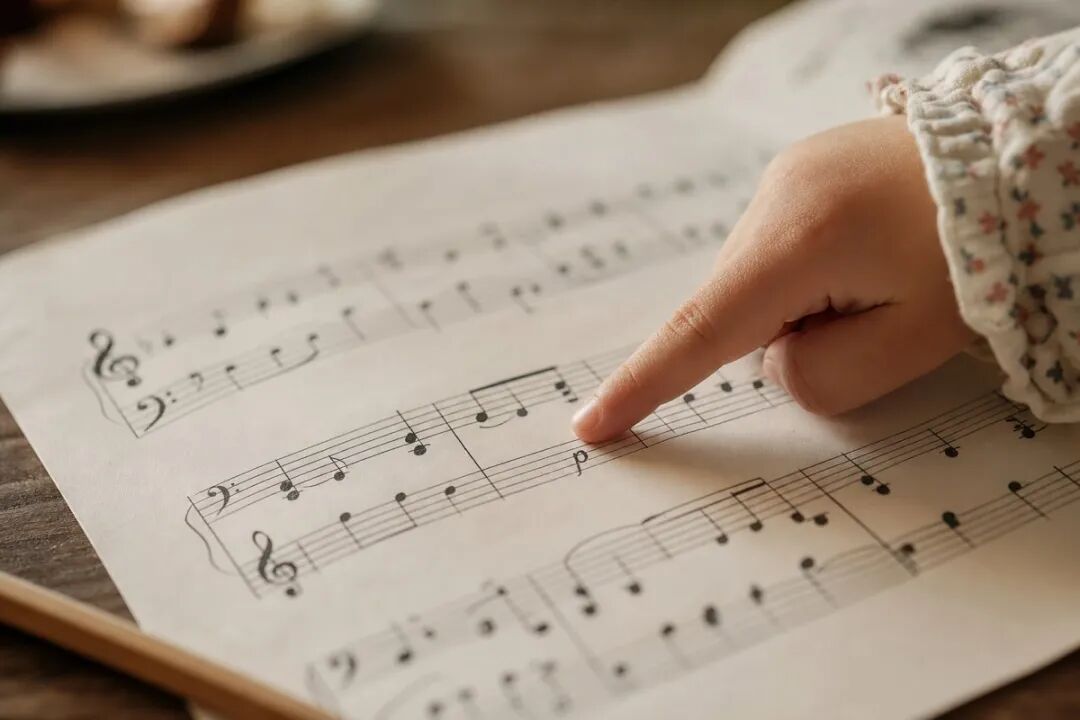
The same idea can be used in piano practice. When playing the same phrase three times, do not make “getting it right” the goal of all three attempts. On the first, find the notes; on the second, listen to the rhythm; on the third, listen only for whether the phrase has a sense of direction. When the task changes, repetition need not wear down attention.
Of course, if a child remains willing to accept only a very limited range of sounds over a long period, and any new music causes intense distress, the family can first respect the child’s boundaries and then consult a professional based on their everyday circumstances. Ordinary listening on repeat does not, in itself, need to be treated as a problem.
Music is not something that is used up after a single listen. Once it becomes familiar, we slowly begin to understand what we truly enjoy about it.
What has your child been playing on repeat lately: an entire song, or just ten-odd seconds of it?