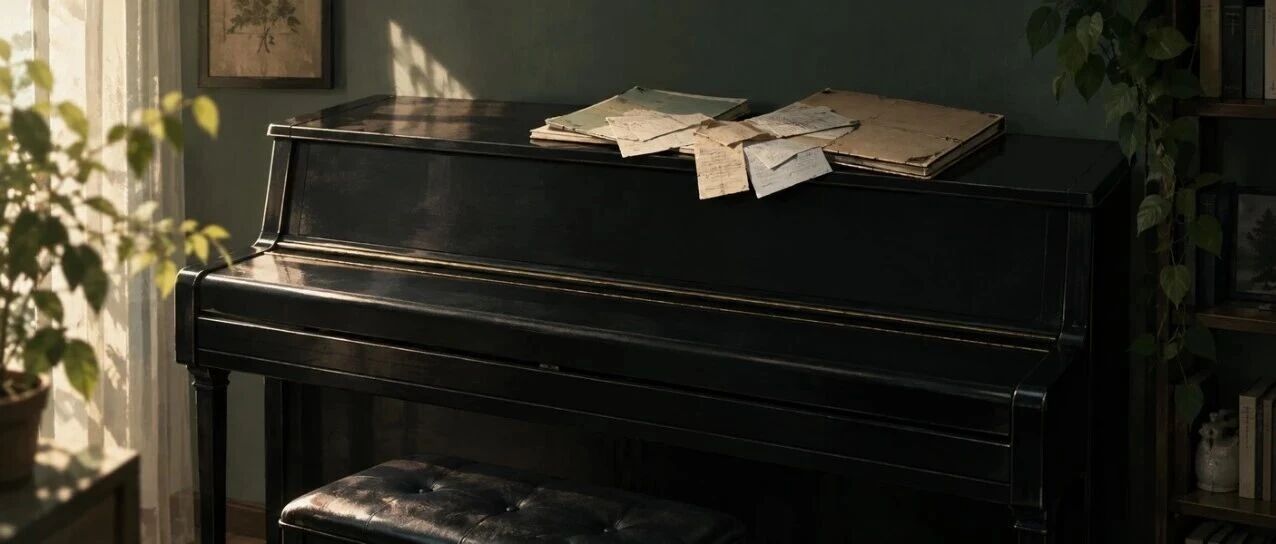
A mother, as recounted in the original article, added up what she had spent on her child’s three years of piano learning: 29,000 yuan for regular piano lessons, 12,000 for the piano, and 4,000 for books, graded exams, and tuning. A total of 45,000 yuan. After doing the sums, she asked herself: of everything that money bought, what is still there today?
She made a list. Still there: a Grade 4 certificate; three exam pieces, each of which her child could only play as far as the middle; and a piano whose lid had not been opened in three months. Gone: the habit of sitting down at the piano every day, which fell apart after last year’s exam. A piece her child could play from beginning to end? Not a single one. And there was the question of “How much practice counts as finished?” In three years, that had never been made clear. Every day ended with “That’s probably enough.”
The Money Is Easy to Count; What Remains Is Not
She remembered the figure of 45,000 yuan perfectly, but could not say what it had bought her. In our experience, hers is not the only family in this situation. We have seen many families who have spent three or five years on piano learning. They can account for every expense. But when asked, “What has your child gained from learning piano?” most think first of certificates, then of the pieces their child can play—and stop there.
The truly expensive part is not the 45,000 yuan itself. It is spending that money and finding that nothing has taken root in the child: no habit, no piece they can call their own, no clear sense of what “finished” looks like. The money is gone, but the child has not changed. Only in hindsight does it feel expensive.
What Did Families Who Had Something to Show for It Do Right?
We have also seen families who had something lasting to show for their piano learning. The lesson fees were the same, and so were the pianos. The difference lay in how they spent those twenty minutes each day.
Families who built a habit set aside a fixed time every evening: short, but consistent. Families who kept pieces in their repertoire practiced each one until their child could play it from beginning to end before moving on, rather than dropping it as soon as the exam was over. Families who built a clear sense of “finished” knew, before sitting down each evening, what would count as done that night: two measures, three repetitions without mistakes, or getting the right-hand part right first.
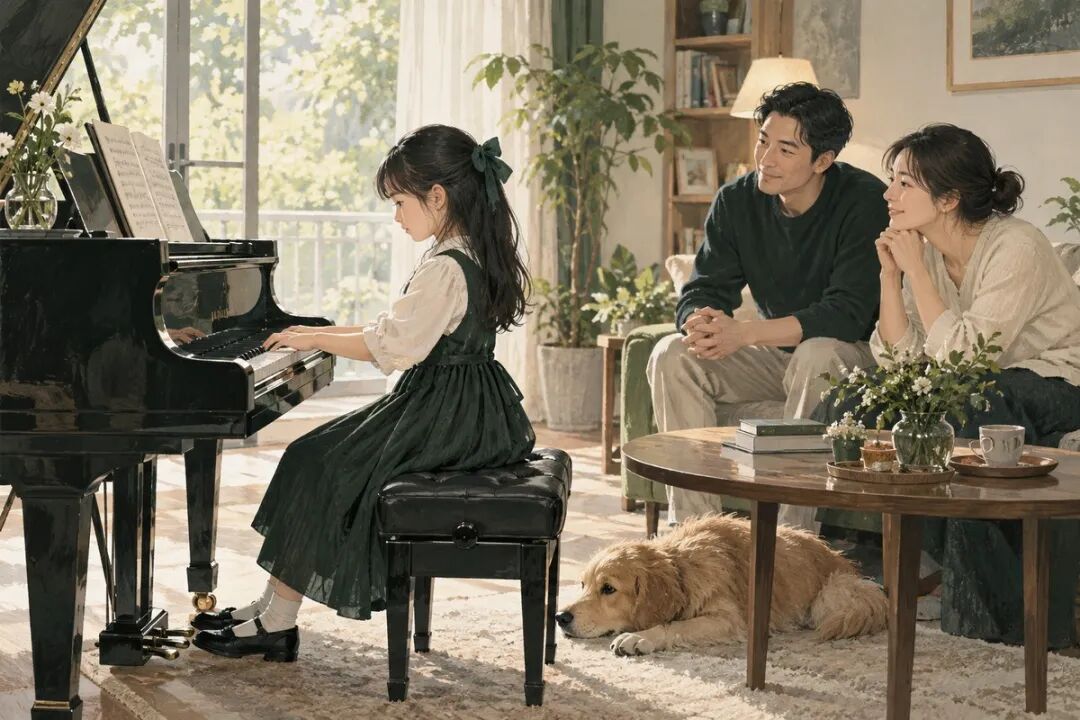
None of these three things costs money. They have nothing to do with tuition fees and everything to do with that nightly question: “Does this count as finished?” As described in the original China-market article at the time of publication, each small level in Wonder Piano’s Adventure Mode specifies how many repetitions are needed to pass. We built that clear sense of “finished” into it because what most families lack is not lessons, but a clear answer to that question.

Later, the mother in the article spoke with the teacher. The teacher asked, “What do you want your child to have to show for all this?”
She said, “Just one piece they can play all the way through.”
The teacher said, “Then, starting today, practice just two measures each evening, until they can be played without mistakes. In two months, I’ll have a complete piece for you.”
She said, “It’s been three years. This is the first time someone has told me how much practice counts as finished each evening.”
After these years of piano learning, what has your family held on to?
Wonder Piano is an AI practice companion for piano practice at home. Here, we write about practice methods, and about the difficulties families face when putting those methods into everyday life.