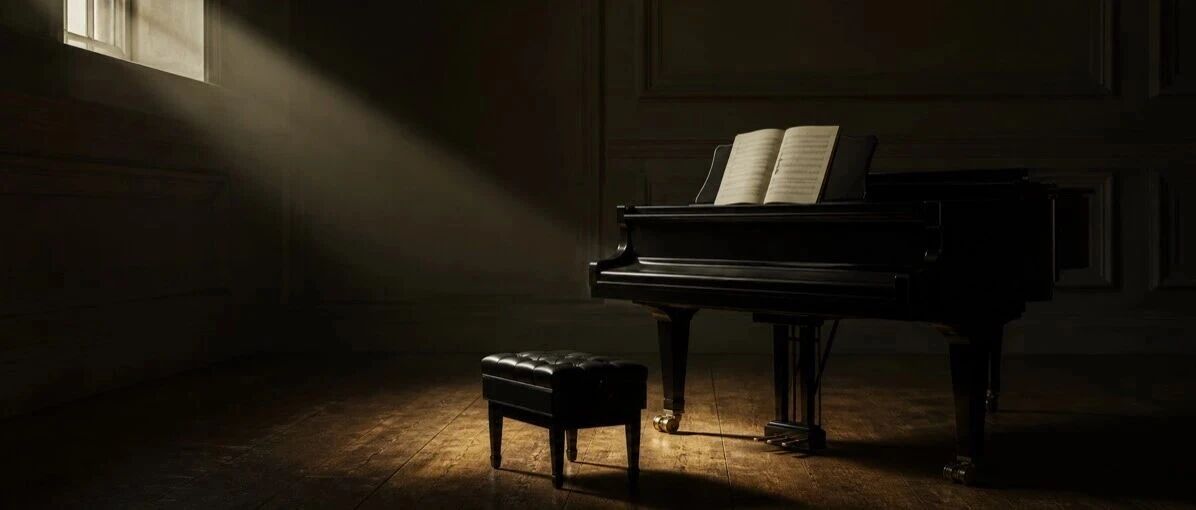
When a child reaches a rest, their hands stop, but their body does not.
Their shoulders lean forward, their eyes have already jumped to the next measure, and their foot taps lightly on the floor. Before the silent beat has run its course, the next note arrives early.
On the page, this is simply a pause shortened by half a beat. In the music, though, it sounds as if one sentence has not yet ended before another rushes to speak.
It is easy to mistake a rest for a place where “there is nothing.” Yet in a piece of music, silence is never just empty space. It has a duration and a direction, and it changes the weight of the sounds on either side of it.
Not Playing Is Also a Task to Complete
When children first learn about rests, they usually remember just one action: do not press the keys.
That is not enough.
A one-beat rest sounds very different from a half-beat or two-beat rest. How to bring the preceding note to an end, how the body keeps counting, and where the next phrase takes a fresh breath are all part of that silence.
Think of it as punctuation in speech.
A comma does not mean you have forgotten the words, and a period does not mean your voice has stopped working. A pause lets the sentence you have just spoken settle, while giving the next one a clear point of entry.
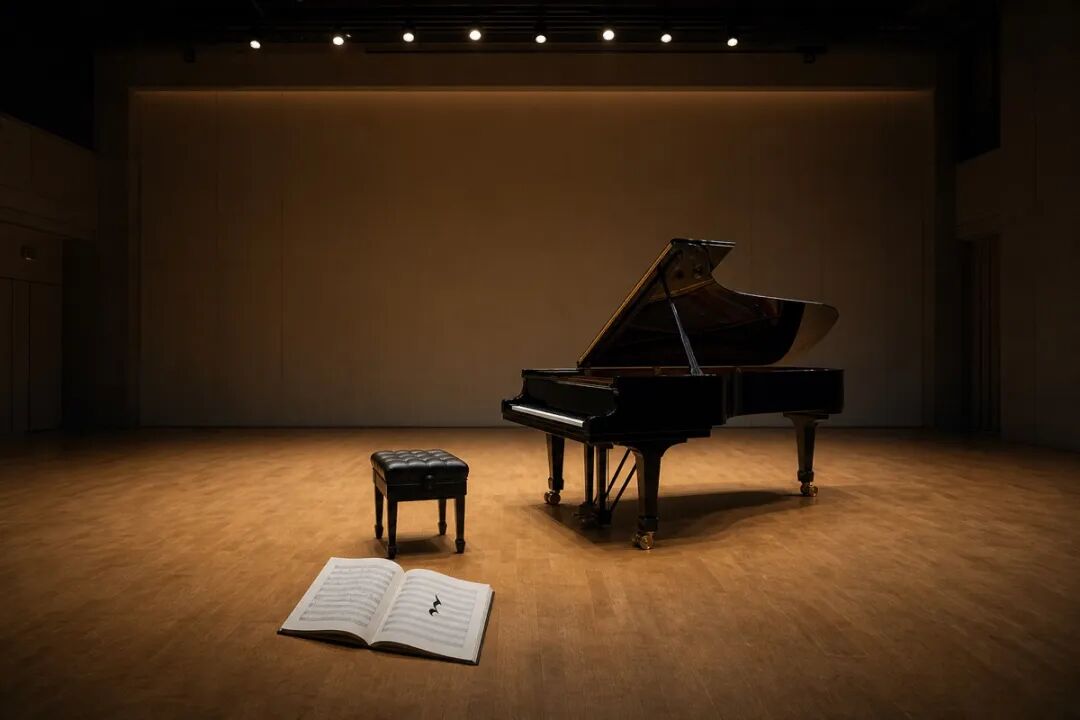
Why Children Tend to Rush Ahead When They Reach a Silent Beat
When there is sound, the keys reassure them that they are “playing.” When there is no sound, those external cues suddenly diminish, and they have to rely on their inner pulse to keep moving.
If the pulse has not yet become something they feel in their body, a rest can become an unsettling gap. A child instinctively fills it: playing the next note early, holding the preceding note too long, or simply deleting that beat in their mind.
Repeatedly telling them to “wait for the full duration” often does not help at this point. They need to know what they can still do during the silence, rather than try harder to hold themselves back.
First, Make the Rest Visible
Choose the spot in the piece where the child is most likely to come in early, and practice only the two measures around it.
On the first pass, do not play the piano. Tap the beat on a table with a finger. At the rest, stop tapping, but continue counting softly aloud.
On the second pass, play only the note before the rest. After the note ends, keep the wrist relaxed and listen to the sound gradually fade, without rushing toward the next position.
On the third pass, add the following phrase. Before it begins, ask the child to take a gentle breath, as if preparing to say the next sentence.
If they consistently come in early, ask them to make a very small movement during the silent beat, such as tracing a circle or lifting their wrist. The movement is not a performance; it gives time a shape they can feel. Once the pulse is steady, make the movement smaller.
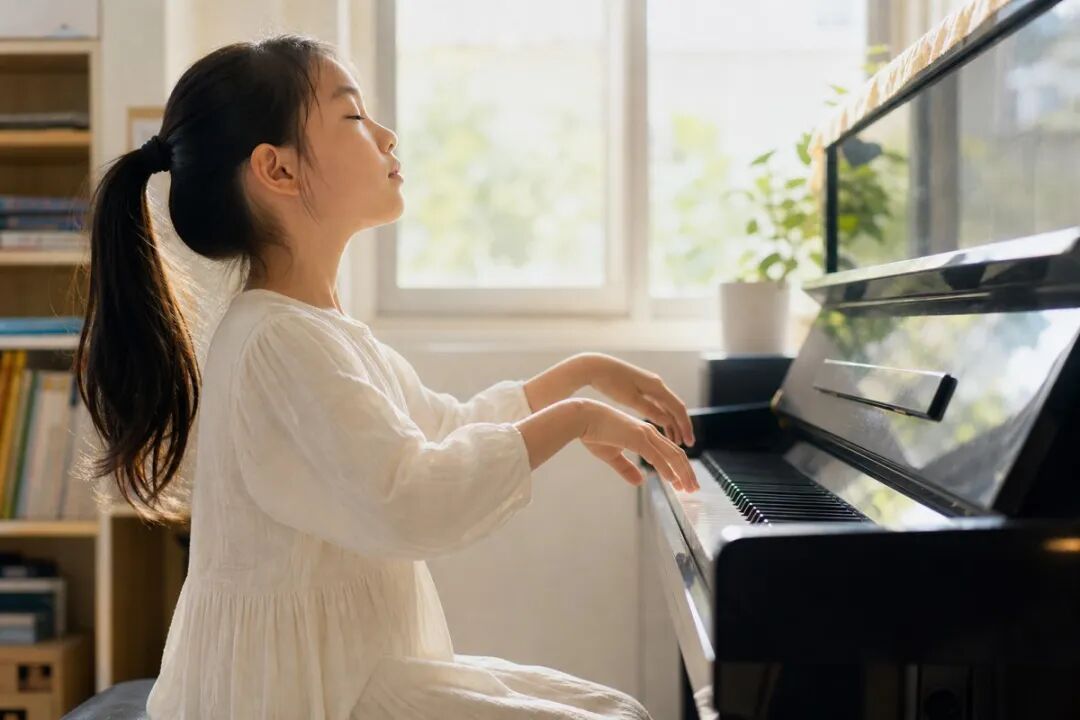
Not Every Pause Should Be Treated the Same Way
Some rests are like taking a breath: one phrase settles, and the next follows shortly after. Others are like an echo, letting the preceding chord linger in the room. Still others create suspense: the deeper the silence, the more powerful the sound that follows.
These subtle choices require a teacher to consider the phrasing, tempo, and style of the piece. At home, start with the basics: accurate durations, an unbroken pulse, and a body that is not anxiously rushing ahead.
When a child is willing to listen attentively through a whole beat without sound, they are learning more than rhythm.
They discover that music does not depend on filling every second with sound. Leaving space is not a failure to do something; it gives the sounds before and after it their place.
The next time you listen to your child practice, notice one small detail: did they stop their hands at the rest, or did they stop their inner pulse as well?