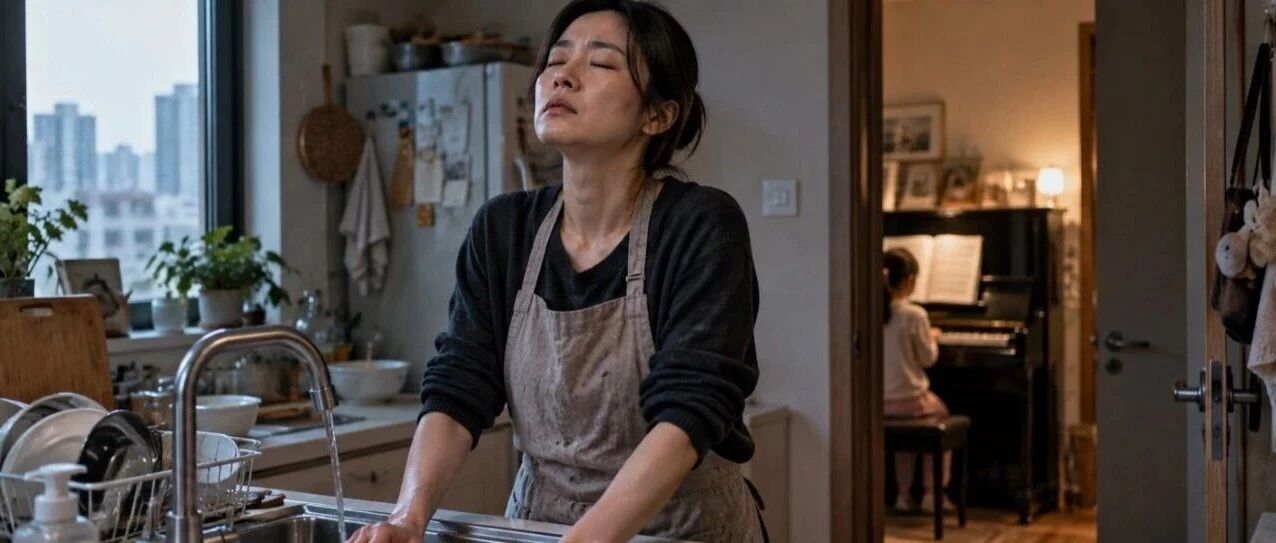
“Some experts write bestselling books about how to be a parent who does not shout or yell. But no expert can teach someone to be the parent of a piano student without shouting or yelling.”
These are the opening words of a long-form article published in the Chinese column Renjian in 2021. They express what one mother of a young piano student was feeling, and many parents stopped short when they read them.
In that account, her daughter Guangguang started piano at four, practicing for an hour and a half every day. In the second year, that increased to two hours. Practice brought her to tears, but after wiping them away, she still had to climb back onto the piano bench and keep playing. Playing back assignments at lessons, recording the next assignments, sitting with her during practice, and correcting mistakes were all her mother’s responsibility.
Why is it especially hard for parents of piano students to keep from shouting? With other homework, a teacher marks what is right or wrong. During piano practice, every stumble rings out right in front of the parent each evening: exactly where the child gets stuck and how many times they have started again are plain to hear. The parent hears the same spot today, then again tomorrow. The frustration does not arrive all at once. It builds night after night.
Three moments are especially likely to bring out a shout.
Getting Stuck at the Same Spot for the Fifth Time
The first time the child gets stuck, a parent can still say, “It’s all right.” By the third time, their voice begins to harden. By the fifth, out comes, “Why did you get it wrong again?”
You can set yourself a limit: after getting stuck three times at the same spot, practice somewhere else, or stop there for the day, circle it on the score, and ask the teacher at the next lesson. The fifth attempt is often worse than the first. The child is already flustered, and playing again only means rehearsing that flustered state.
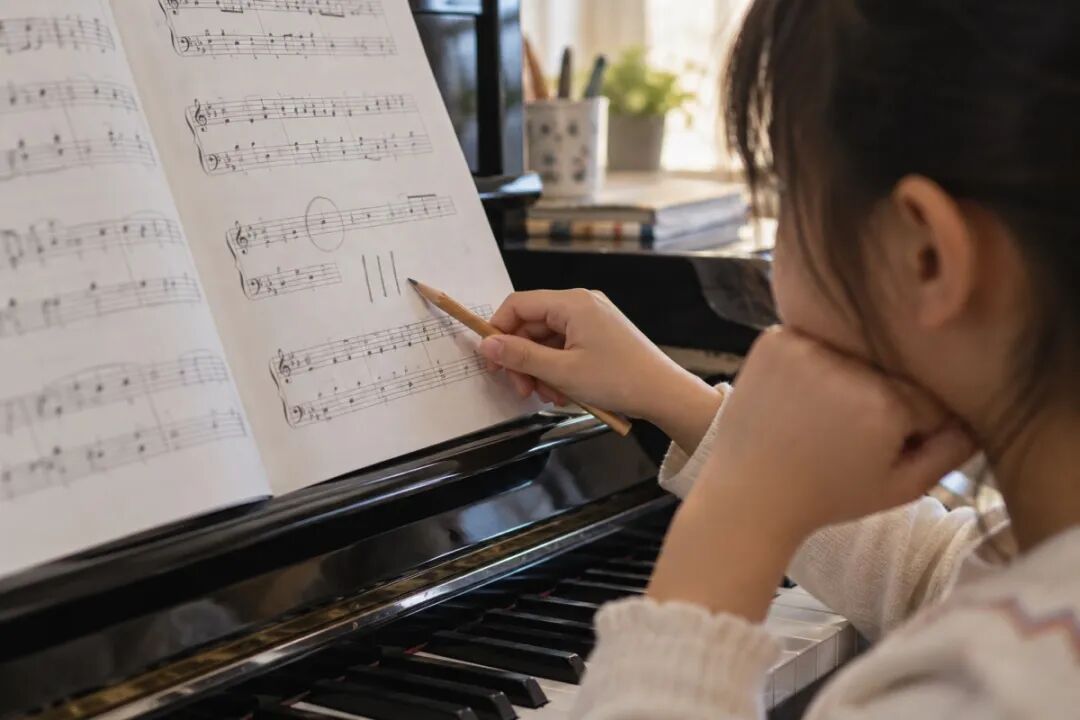
Reminding Your Child to Sit Down
After dinner, you say, “Time to practice,” once, and nothing happens. You say it a second time, and still nothing happens. By the third reminder, your voice gets louder.
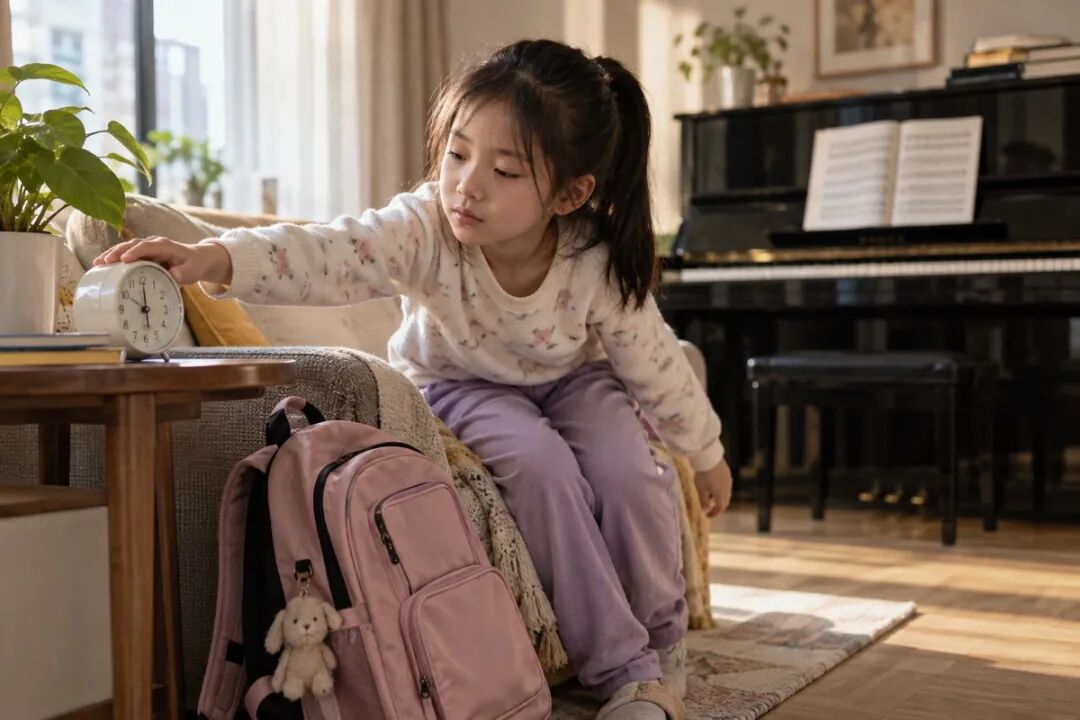
You can hand over the job of reminding: agree on a fixed time, and have the child sit down when the alarm rings, without the parent saying anything. At first, the child may still dawdle. But now they are putting off the alarm, rather than you, so there is less to argue about.
Being the Only Person There from Beginning to End
In Guangguang’s family, lessons, notes, assignments, sitting through practice, and correcting mistakes all rested on her mother alone. When one person accompanies practice every day, the frustration accumulated over the previous evenings can be set off by a single remark on the sixth night.
Another family member only needs to take over one task: sit beside the child for practice on a weekend day, or simply give a reminder when the alarm rings.
There is another task you can hand over: spotting wrong notes. In the China-market app as described on October 4, 2026, children can practice in Wonder Piano’s Adventure mode. When a note is played incorrectly, the score stops advancing and highlights that note, moving on only once it is played correctly. Parents do not have to keep saying, “Wrong again.” They can simply check whether the child has passed the level. When the child gets stuck at the same spot, they are looking at the note on the screen rather than at the expression on their parent’s face.
You can begin by choosing just one of these three moments to change.
Wonder Piano provides AI-assisted piano practice support for families at home. Here, we write about practice methods and the difficulties families encounter when putting those methods into everyday use.