This is Wonder Piano. In China, we develop AI-assisted practice tools for families practicing piano at home, and we also take a harder question seriously: what should you do when a child does not want to practice, cannot engage with practice, or their parents do not know what to say? Here, you will find practice methods, along with the difficulties families can encounter when putting those methods into everyday use.
The Beijing International Music Festival & Academy held its 22nd season from August 8 to 16, 2026, at the China Soong Ching Ling Science & Culture Centre for Young People in Beijing. Every year around this time, many children learning instruments attend public master classes. On August 11, I spent more than an hour in the back row of one such class and noticed two distinctly different kinds of parents.
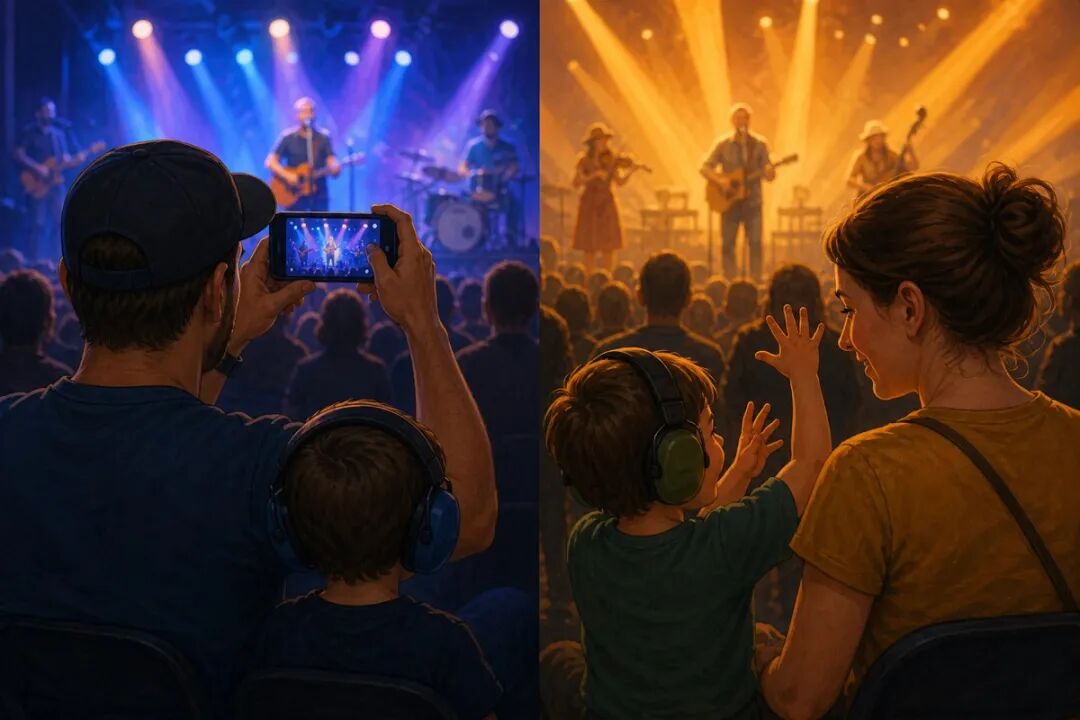
One kind kept a phone raised toward the stage throughout the class. As soon as their child went on stage, they started recording; as soon as the master finished commenting, they looked down and checked their photo gallery to make sure they had captured it. The other kind sat farther back with a pen and notebook. Each time the master offered a correction, they wrote it down, keeping their attention on the child’s hands and comparing them with the movements the master demonstrated.
What Is Truly Scarce in a Master Class Is Not Those Five Minutes on Stage
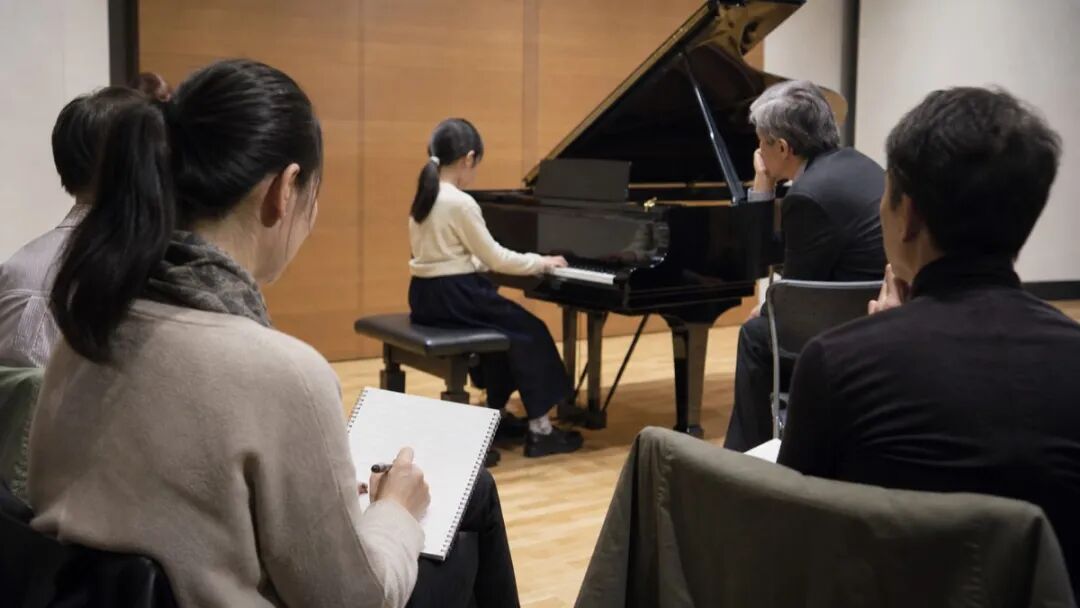
Many parents bring their children to master classes for the experience of having “performed for a master” itself: something to put on a résumé, share on WeChat Moments, or add to a list of achievements. But watching from the back row, I found that what really determined the value of the class was never simply whether a child went on stage. It was whether, after a problem was pointed out, the child could make an immediate adjustment on the next attempt.
One child played a passage by Chopin. The master said, “Relax your wrist a little more here. Don’t press down using the force of your arm.” The child paused for two seconds, then played the passage again. The wrist was visibly more relaxed, and the sound changed with it. The master smiled and nodded, saying nothing more. The whole adjustment took less than ten seconds, but to me it mattered far more than the applause the child received for playing the entire piece. It showed that the child was really listening and responding at the piano, rather than simply waiting for the passage to end.
Other children were given the same correction, yet their wrist position barely changed when they played again. The master repeated the advice, and only on the third attempt did they manage to adjust, with difficulty. This does not mean those children were not working hard. But it suggests that in their usual practice, they were more accustomed to aiming to “finish playing” than to “play it correctly.”
What Parents Without Musical Expertise Can Actually Recognize
If you are planning to take your child to a similar public master class, these few seconds are more worth watching than recording videos or taking photos: after the master gives a piece of advice, does the child’s next attempt differ from the previous one, and exactly what has changed? To me, this reveals more than whether the child is nervous on stage or manages to finish the piece. It reflects whether the child has developed the habit of “hearing advice and immediately trying it with their hands” during everyday practice, rather than letting the teacher’s or master’s words pass without acting on them.
In my view, this habit tells us more about whether a child will make real progress over the next few years than any single experience on stage.
Have you taken your child to a similar public class or competition? Were you watching their stage performance, or how they responded when corrected? Share the details you noticed in the comments.