This is Wonder Piano. In China, we develop an AI practice companion for piano practice at home, and we also take a harder question seriously: what should you do when a child does not want to practice, cannot settle into it, and parents do not know what to say? Here, you will find practice methods, along with the difficulties families can encounter when putting those methods into everyday use.
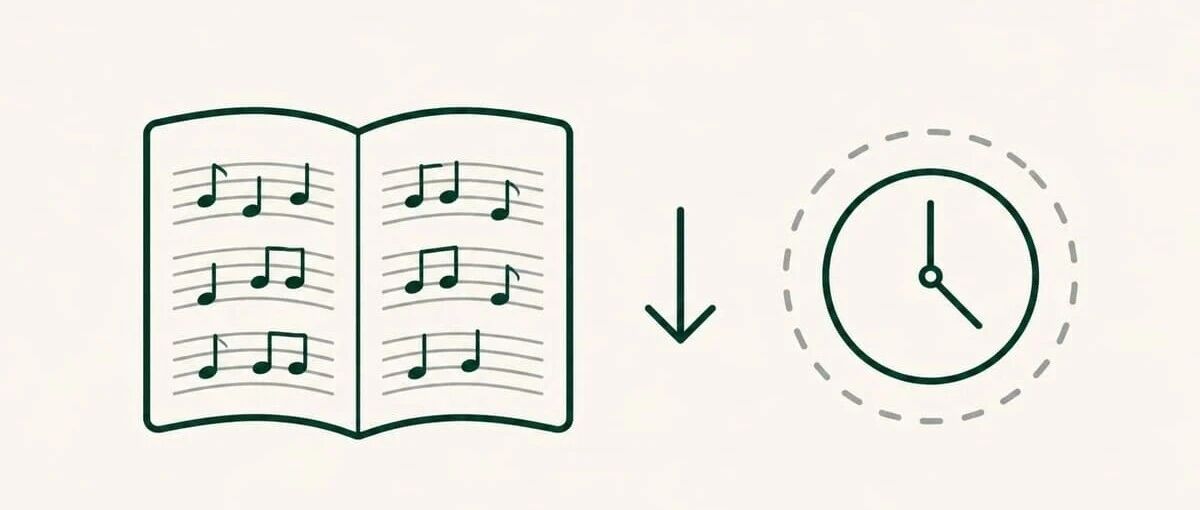
American piano education researcher Dianne Hardy conducted a survey of 221 piano teachers nationally certified by the Music Teachers National Association (MTNA). She asked them to rate the importance of sight-reading: 13% selected “most important,” and 73% selected “highly important,” for a combined total of 86%. Yet when asked whether they taught sight-reading systematically every week, only 7% answered yes.
Translator’s note: The Chinese article uses the broader term “reading music” when describing this survey. Hardy’s original study specifically concerned sight-reading, or playing unfamiliar music at first sight. She conducted the study for her 1992 master’s thesis and reported it in her 1998 article, Teaching Sight-Reading at the Piano: Methodology and Significance.
The survey covered only certified teachers in the United States, so it cannot be taken as a picture of teaching worldwide today. The original article argues, however, that the gap it reveals still applies to contemporary Chinese families: almost all teachers agree that reading music matters, yet only a minority treat it as a separate subject and set aside time to teach it every week.
Why does this gap exist? Reading music and practicing repertoire are two different activities, but they are easily blended together in teaching. Repertoire practice aims to make a piece fluent and familiar. The results can be demonstrated at parent meetings and student recitals, making progress easy for both teachers and parents to see. Reading music asks a different question: “Can you read smoothly through a score you have never seen before?” This ability develops slowly, and there is no single performance you can present as proof that “I can read music faster now.” With lesson time limited, repertoire practice often crowds out work on reading.
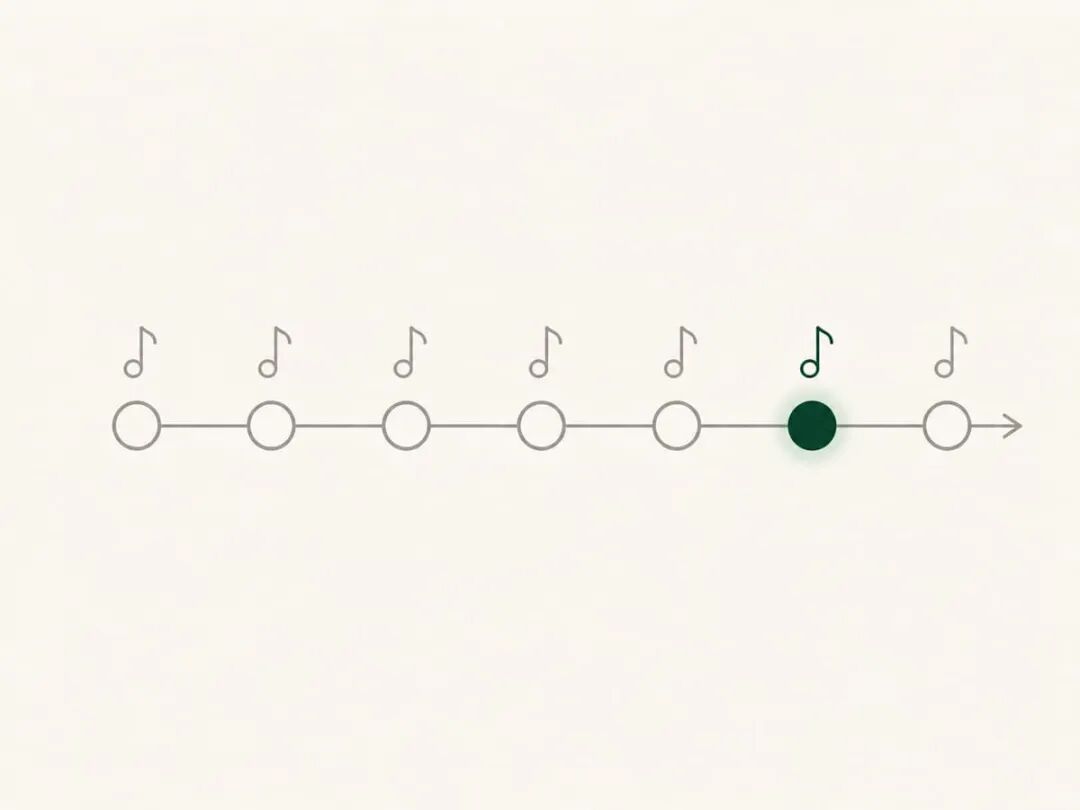
In her article, Hardy cites the view of another researcher, Giles: many children at the intermediate level give up piano not because they dislike music, but because their reading skills cannot keep up. Every new piece becomes a task they must laboriously work through, and over time they lose interest. This helps explain why slow music reading is often more than an isolated technical issue: it can also erode a child’s patience with piano learning as a whole.
One common mistake parents make is to equate slow music reading with a lack of concentration or effort. In fact, many children spend plenty of time practicing, but keep repeating the same piece without expanding the range of notes they recognize on the page. The key to improving music reading is not simply practicing for longer, but continually encountering new scores they have never played. This runs counter to the logic of repertoire practice: repertoire practice means playing the same piece many times, while sight-reading means using an unfamiliar piece each time.
How can families arrange this in practice? If you want to set aside time specifically for reading music at home, a few principles deserve attention. Sight-reading pieces should be clearly easier than the repertoire your child is learning, so the child can read through them smoothly rather than getting stuck at every turn. Do not stop to correct a mistake: the focus of sight-reading is to keep moving forward, rather than to get every note right. Use each piece for sight-reading only once. The second time it is played, it becomes repertoire practice rather than sight-reading training.
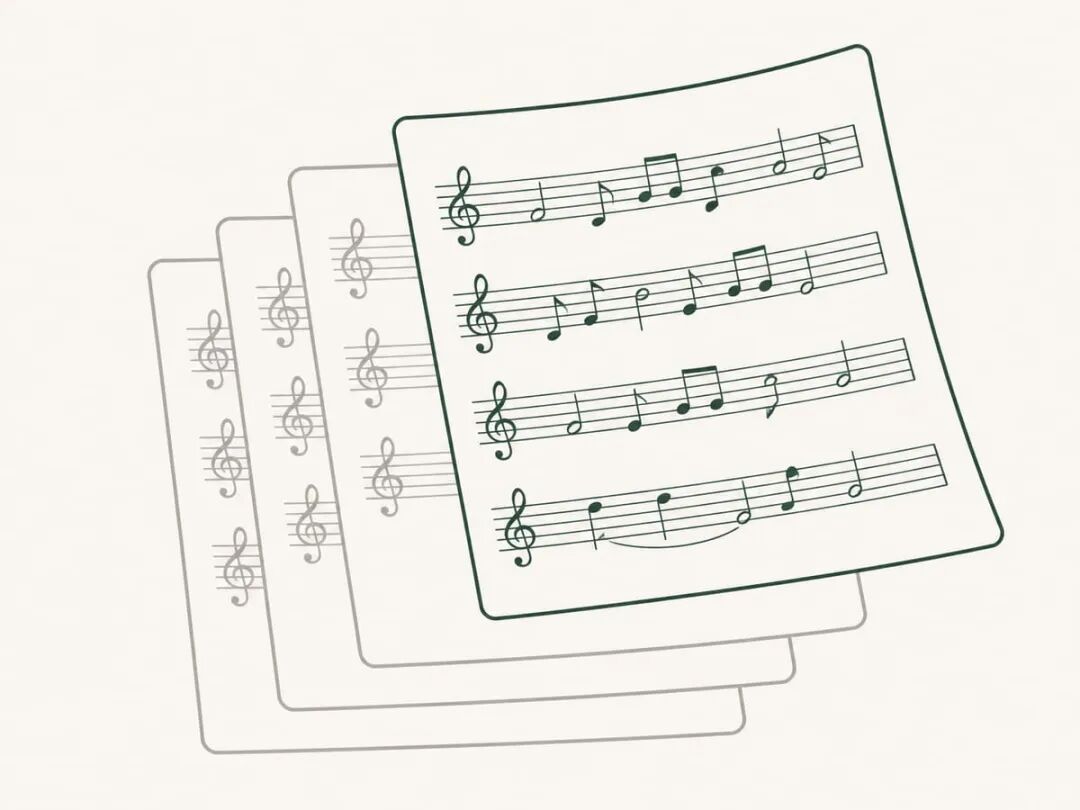
This is why having enough pieces becomes a practical concern. If only a limited supply of new scores is available, children soon exhaust the pieces they can sight-read and end up repeatedly practicing a few familiar ones, reducing the benefit for their reading skills. In its Chinese-market context, the original article describes Wonder Piano’s music library as offering a wide range of pieces from beginner to more advanced levels. It suggests that children can choose a piece they have not played before each day and begin by sight-reading it once, without parents having to find additional teaching materials or print scores.
Reading music is not a skill that suddenly clicks after one intensive training session. It is closer to a habit that needs daily nourishment than something to wait for a single lesson to teach systematically. What is holding back your child’s reading speed right now: recognizing the notes themselves, or reacting too slowly after seeing them?