
This is Wonder Piano. We make an AI practice companion for piano practice at home, and we also share music news and common questions that come up when learning an instrument.
The original article describes two children playing the same hands-together passage. The first child’s parent describes them as having “poor coordination”: despite practicing for a long time, they have made little progress. The second child is described as “picking it up right away” and has barely struggled with playing both hands together. Parents usually explain the difference in terms of “talent” or “coordination.”
But, in the article’s account, listening closely to what happens when the two children play both hands together reveals a different explanation. The real difference is how far apart the two hands are in timing at the instant they press the keys, rather than their ability to coordinate.
Behind the vague impression of “messy” playing, there may be a specific timing gap
The first child’s hands actually press the keys at slightly different times on each attempt. Sometimes the left hand is a little early; sometimes the right hand is a little late. The difference itself is small, but enough to make the music sound “muddled.” These discrepancies are hard to pinpoint accurately by ear. A parent hears only a general sense of “messiness” and can easily attribute it to a lack of ability.
In the article’s comparison, the second child does not simply have better innate coordination. Instead, the teacher specifically worked on this timing from the start of practice: first checking whether the two hands really pressed the keys simultaneously, before addressing anything else.
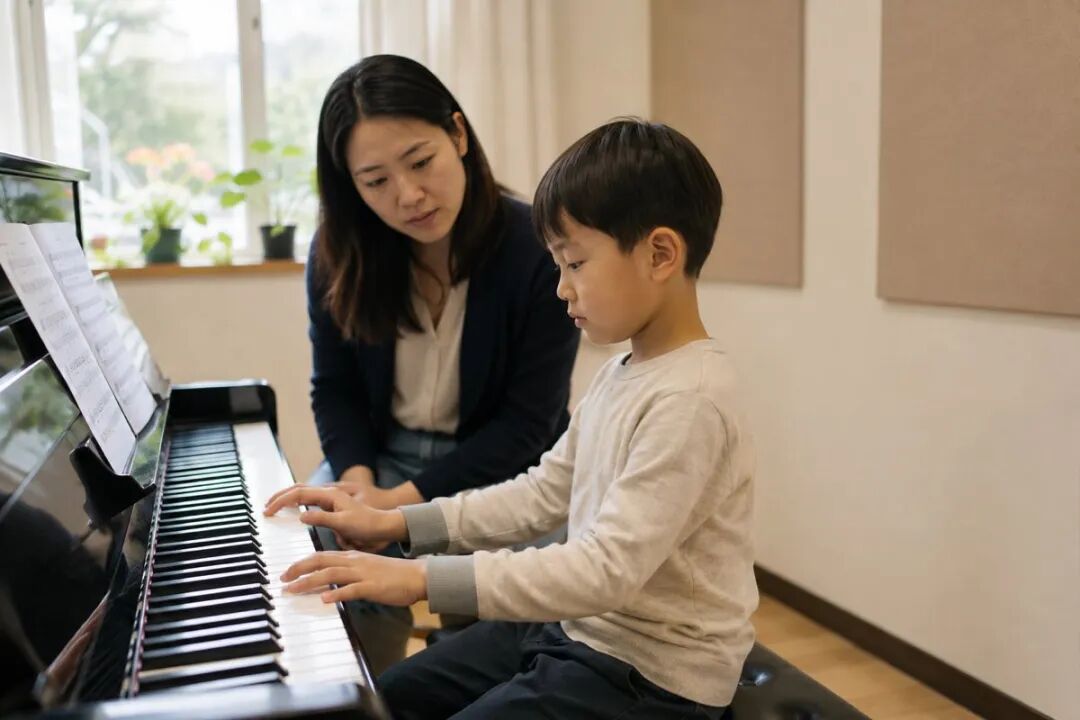
What parents find hardest to judge is precisely how far apart those keystrokes are
Parents often cannot tell exactly how large the timing gap is just by listening. A further difficulty is that when a parent says, “Your left hand was late,” the child may hear only another criticism. Yet if the parent simply says, “Play it again,” the child does not know what to change on the next attempt either. We later began letting children finish the whole passage first, then identifying together the exact spot that had produced that impression. In our experience, when a child can immediately see clear, neatly presented practice feedback after one attempt, it is usually easier for them to keep practicing than when a parent repeatedly frowns and guesses, “Which notes failed to line up?” As described in the original China-market article at the time of publication, Wonder Piano’s Challenge Mode presents the passage’s rhythm results together after the performance. Children can first see the problem, then decide whether to practice it again. The product helps families turn “it sounds a little messy” into a visible, specific focus for practice.
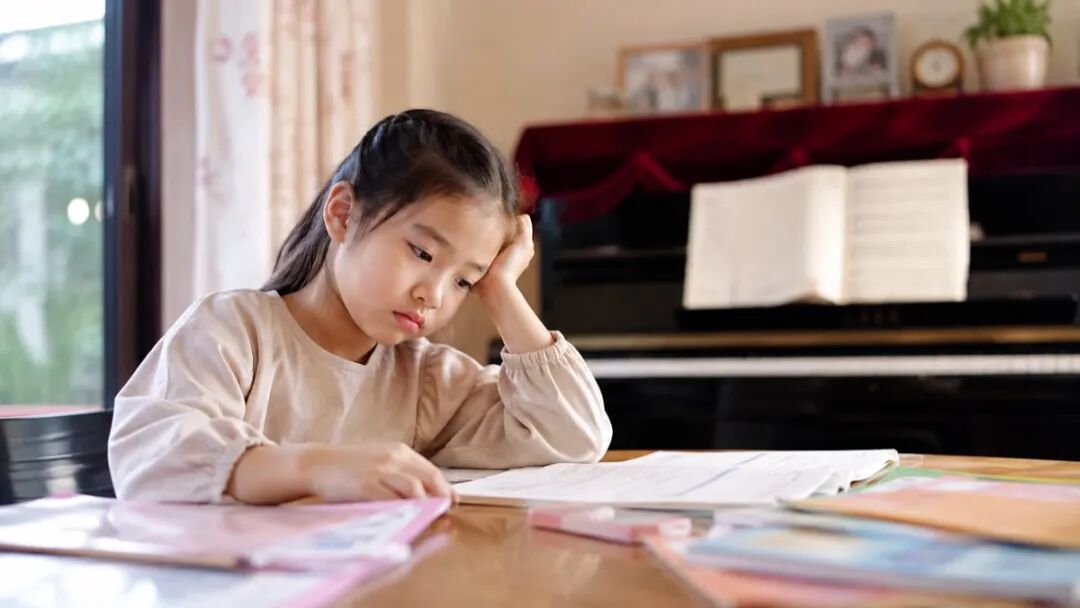
Once the specific discrepancy has been identified, the remaining practice becomes clear. Rather than a vague instruction to “practice both hands together more,” the goal is to work specifically on the timing of the keystrokes on that beat.
When your child plays with both hands, have you tried recording a passage and listening closely to check whether the hands really press the keys at the same time? Tell us in the comments.