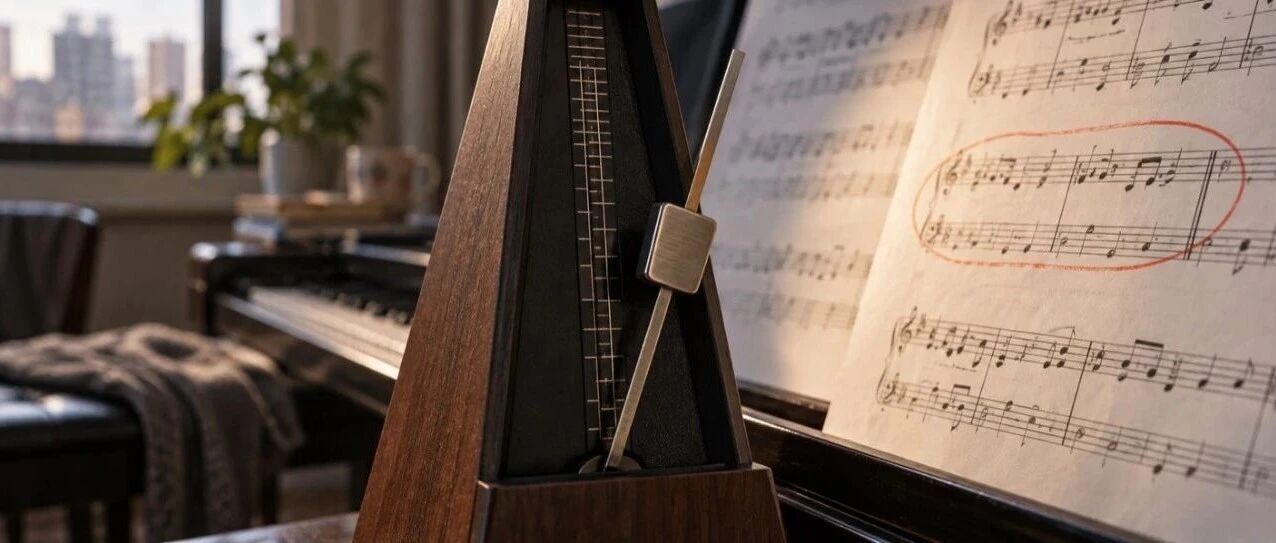
In an hour of piano practice, how much time should be spent playing fast? Pianist Kong Xiangdong has given a figure: five to ten minutes.
The remark comes from a widely shared video of him teaching, which the publication Music and Life (音乐与生活) compiled in February 2026. He also made several pointed statements: the greatest efficiency comes only from slow practice; only effective practice counts as practice, and everything else is a waste of life.
Yet practice in many homes follows exactly the opposite pattern: the child sits down and plays the entire piece at its intended tempo, keeps going after mistakes, then starts again after reaching the end. Listening nearby, the parent thinks it sounds quite fluent and that enough time has been spent practicing.
Why Give Fast Playing Only Ten Minutes?
Fast playing is the most demanding. The hands have to keep up, the ears have to keep up, and the brain has to manage fingering, beats, and sound all at once. After a few minutes, attention begins to drift. Continuing after that means relying on momentum: the hands remember where to go, but the ears are no longer listening. This is when wrong notes creep in, and because the playing sounds fluent, nobody notices.
This is especially true of children. An eight- or nine-year-old who plays an entire piece three times in a row at its intended tempo is likely to be thinking about something else by the third run. The parent hears someone who “knows the piece well,” while the teacher hears all the muddled passages at the next lesson.
What Should You Practice in the Remaining Fifty Minutes?
Practice slowly. Slow practice does not mean dragging through the music. It means playing slowly enough to have every note under control: knowing which finger will press which key before it lands; counting where each beat falls; and being able to stop whenever you want, even midway through a passage. The explanation in Music and Life was to go slowly enough to control every variable. Any tempo at which a child cannot do these things is still too fast.
The biggest pitfall in slow practice is zoning out. Play the same passage slowly ten times, and attention will start wandering toward the end. So give the child something specific to focus on each time: listen for a steady beat on one run, check whether the fingering changes unexpectedly on the next, then listen for whether every note has the same volume. With something to listen for, slow practice has a purpose.
Applying This to Twenty Minutes at Home
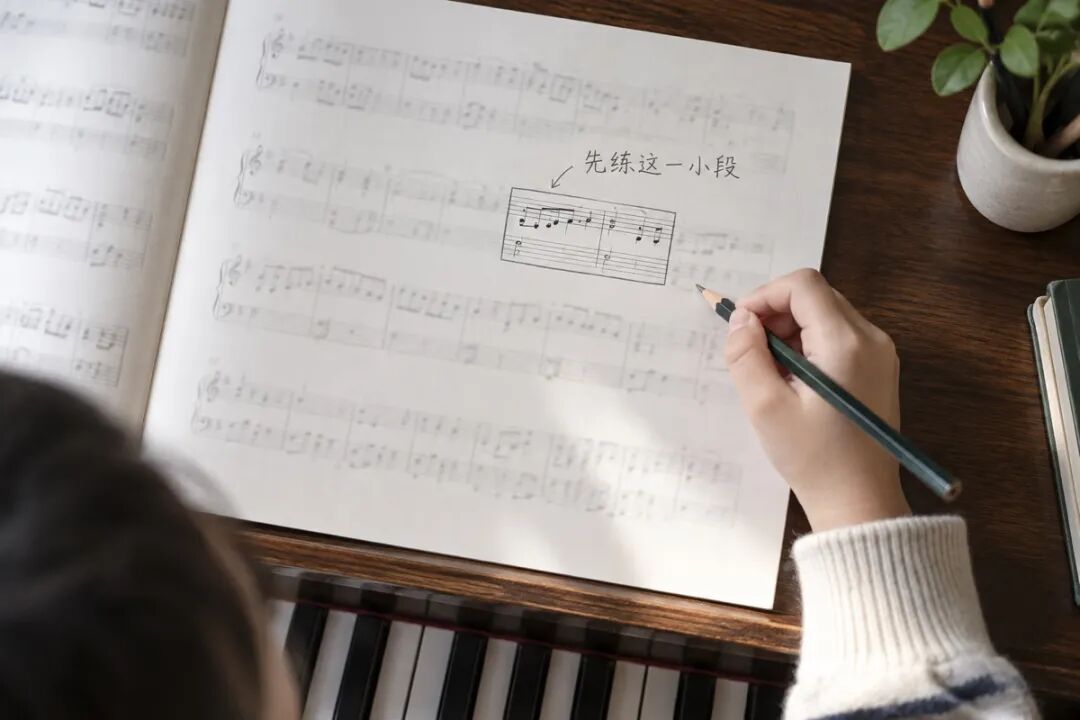
If a child practices for twenty minutes a day, following this proportion means leaving fast playing for just the final two or three minutes. The first seventeen or eighteen minutes are spent working slowly on one or two measures.
This is the hardest part for parents to accept: after listening for twenty minutes, it seems as though the child has played the same passage the whole time, so slowly that it barely sounds like the piece. But this is precisely what practice is. By contrast, twenty minutes of playing the whole piece at its intended tempo may sound lively, while mostly leaving mistakes behind.
The hardest thing about slow practice is knowing where to slow down, and most parents cannot identify those places by listening. In Wonder Piano’s China-market Adventure mode as described on October 2, 2026, playing a wrong note stops progress and highlights that note. Wherever progress stops becomes the place for slow practice: isolate that spot, slow it down, and move on once it is correct. After passing those one or two measures, put them back into context and play through once at the intended tempo.
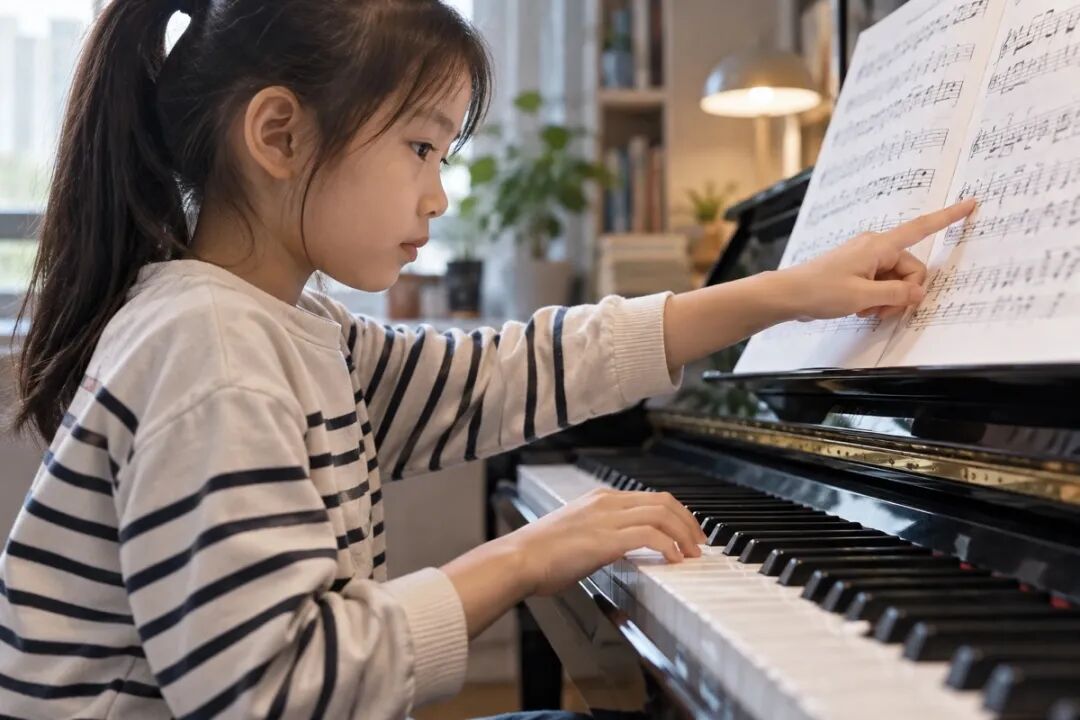
With a little more time during China’s National Day holiday in October 2026, try this once: practice just two measures today, work slowly throughout the first part of the session, and return to the intended tempo only for the final two or three minutes. As soon as the playing becomes muddled, go back to the slower tempo. Listen the next day to see whether those two measures have become steadier.
Wonder Piano provides AI practice support for piano practice at home. Here, we write about practice methods and the difficulties families encounter when putting those methods into action.