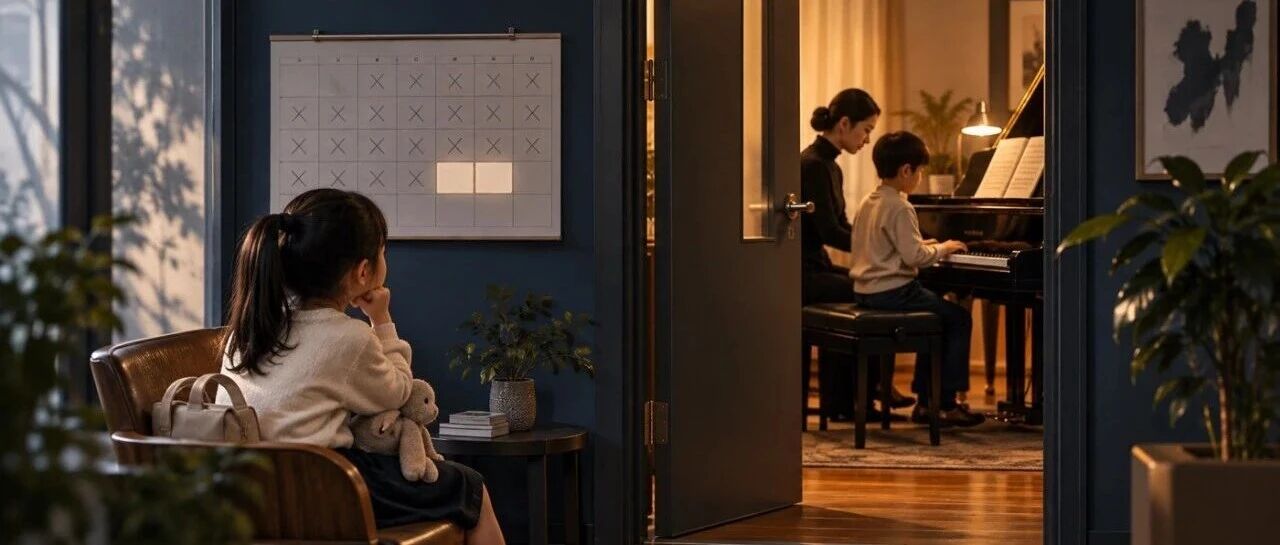
In August 2026, a mother wrote on the WeChat Official Account “小熊猫零钱罐” (Little Panda’s Coin Jar) about taking her five-year-old daughter to trial piano lessons. She had expected that, with fewer people learning piano, teachers would be eager to recruit students. Yet the teacher she most wanted to choose had only two weekly time slots left and was accepting just two complete beginners that year.
The contrast she encountered deserves attention: piano sales had cooled, but the teacher she wanted had no suitable lesson time available.
Our view is that this difficulty could become more pronounced in 2027. The key is that parents often seek the same kind of teacher: someone who explains things clearly, can teach their child over the long term, and has a fixed slot after school or on weekends. When choosing a teacher now, ask specific questions about these three things.
A Smaller Market Does Not Mean More of the Time Slots You Want
In its February 2025 investor Q&A, Yamaha stated that China’s acoustic piano market had shrunk to about one-quarter of its previous size over the preceding three years. This indicates pressure on piano sales, but it cannot be directly translated into a count of how many fewer students there are, much less how many good teachers will be available next year.
Parents face more specific constraints when booking lessons. There is a limit to how many lessons a teacher can give each week and how many children they can teach after school or on weekends. If a music store changes its operations or closes, existing students may follow their teacher, leaving little room for children coming in for trial lessons.
If parents continue to concentrate their search on these stable, convenient time slots, wanting to learn but being unable to book lessons could become more common by 2027. This is our assessment of the difficulties involved in finding lessons. The trial-lesson experience described above cannot represent the whole of China, but it is enough to remind parents not to treat an industry downturn as a guarantee that lessons will be easier to book next year.
When Choosing a Teacher Now, Look More Closely at Three Things
Whether a teacher can demonstrate and clearly explain how to make a correction remains a basic criterion. At this particular time, three other things are worth asking about.
The first is how long they expect to keep teaching here.
During a trial lesson, you can ask directly: Are you employed by this school, or do you teach independently? How many years have you taught here? This is not about prying into someone’s personal affairs. The author’s observation is that, over the past two years, many children have had to change teachers because the music store where their teacher worked closed, rather than because they wanted a change. If a child has only just become comfortable with a teacher after a year and then has to start over, the loss is greater than the cost of a few lessons paid for in error.
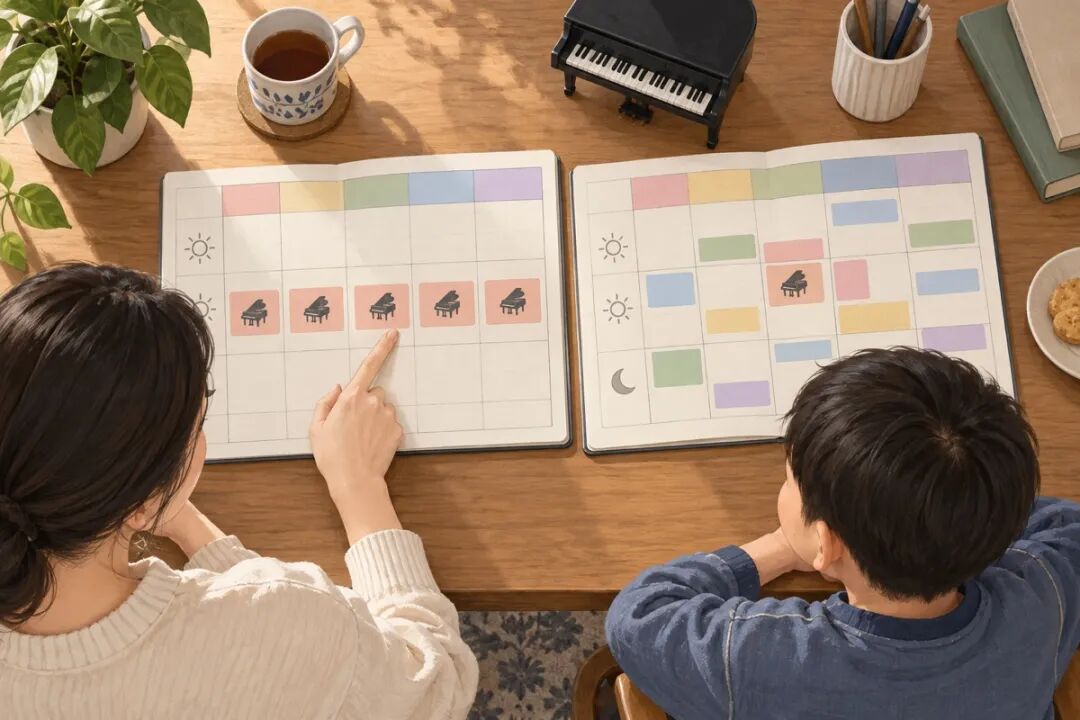
The second is whether they can offer a fixed lesson time.
Good teachers have limited availability, and some may say, “We’ll arrange a lesson when there’s an opening.” A full schedule shows that time slots are scarce; it does not, by itself, prove teaching quality. For a child, having the same hour reserved each week matters more than how famous the teacher is. A fixed lesson gives the six days of practice at home a rhythm: which day to review and which day to prepare to play for the teacher. With no definite lesson time, lessons can slip back week after week, and the routine can easily fall apart.
So ask more specifically: When will a fixed slot become available? While we wait, how often can the child have a lesson? If the only answer is “Just wait a little longer,” or if lessons will depend indefinitely on last-minute openings that do not fit your child’s routine, keep trying other teachers.
The third is whether they offer guidance during the six days between lessons.
With one lesson a week, a teacher sees the child for forty-five minutes; the other six days are spent at home. A good teacher explains clearly at the end of the lesson which passages to practice that week and what a satisfactory result should sound like. Some teachers are also willing to watch a short practice video sent by a parent and reply with a comment or two. During a trial lesson, you can ask, “If we have questions during practice at home, can we ask you?”
The Weeks When You Cannot Get a Lesson
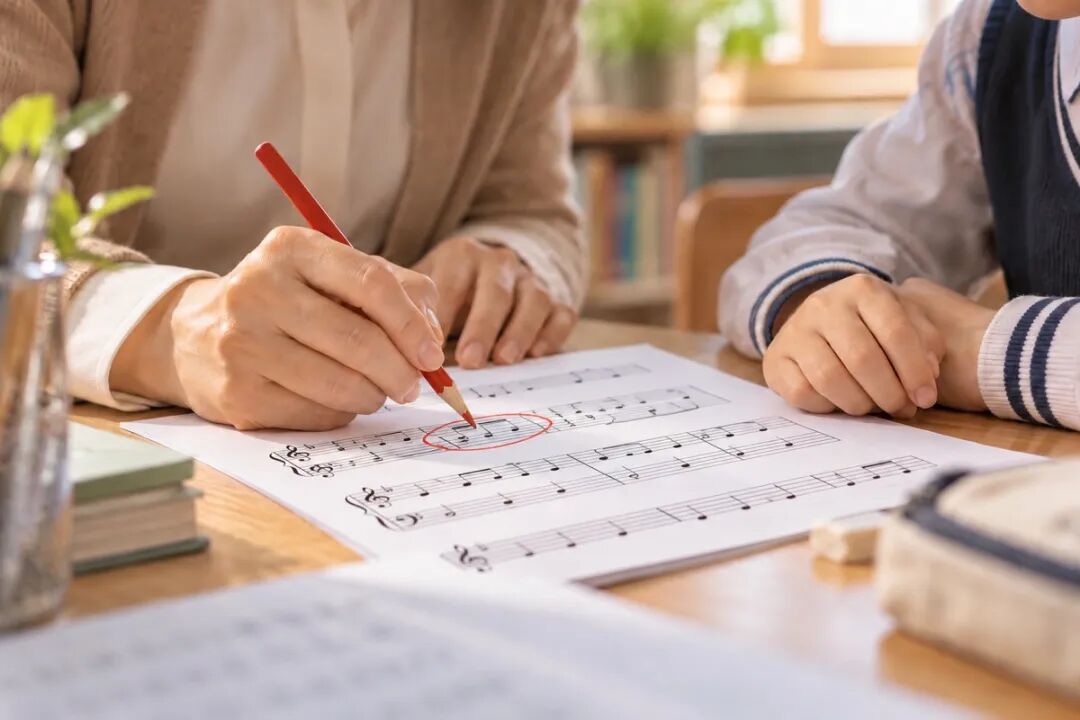
If a good teacher really is unavailable for a while and you need to wait a few weeks, or can only have a lesson every other week, a child who is already learning can keep practicing at home in the meantime. In the China-market practice workflow described here as of October 13, 2026, for example, if the teacher’s assigned piece is in Wonder Piano’s music library, the child can work through it one small section at a time. When a note is played incorrectly, the app pauses progress and marks the error, so the teacher need not start with wrong notes at the next lesson. Hand position and how to apply force still need the teacher’s attention.
For a child who has not yet started learning, there is no need to rush ahead at home while waiting for a popular teacher. Keep trying lessons, and consider other teachers who can provide a consistent schedule.
At the next trial lesson, listen to how the teacher plays, but also ask clearly about these three things. When your child can attend on time every week and knows what to practice afterward, you do not have to keep paying while waiting for a lesson time that nobody can confirm.
Wonder Piano provides AI-assisted piano practice support for families at home. Here, we write about practice methods and the difficulties families encounter when putting them into everyday use.