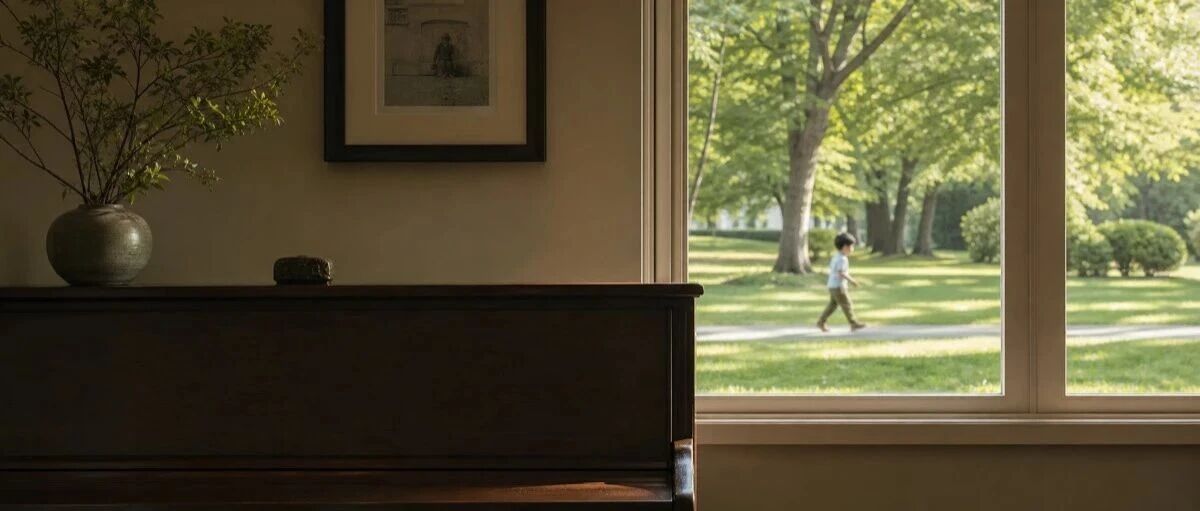
The family has been out all Saturday and gets home late. The child has not practiced piano.
Looking at the closed piano lid, a parent wonders: Will the passage that finally went smoothly yesterday suddenly slip back to where it was before?
One day away from the piano does not automatically wipe out what a child has learned. What matters is understanding why practice stopped that day and how to return next time.
An Ordinary Break Does Not Need to Be Repaid with Double Practice
Travel, family activities, and fatigue after exams can all interrupt practice occasionally. There is no need to pile two days’ tasks into the next day or start by testing the hardest passage.
Begin with ten minutes to settle back in: move the arms and fingers, play something familiar, then slowly work through a recent difficulty once. If the child gets back into the flow, continue with the original plan. If the playing is clearly rusty, reduce the amount to work on rather than extending the practice time.

The Difference Between Rest and Avoidance Is in Coming Back
When a child occasionally takes a day off but is still willing to open the piano lid the next day, it is usually just part of the rhythm of everyday life.
If the child finds a reason to stop whenever the same piece or technical difficulty comes up, and becomes increasingly reluctant to return, the issue goes beyond rest. The task may be too difficult, the goal may be unclear, or piano practice may have become tied to conflict.
Asking “Why can’t you keep at it?” does little to help at this point. A more specific question is: “Which small passage do you least want to face?” Bring that answer to the teacher so adjustments can be made.
Sometimes the Body Clearly Calls for a Stop
When there is pain in the wrists, fingers, shoulders, or neck, or the body is noticeably stiff, continuing to practice is not something to praise. Stop and tell the teacher; persistent discomfort calls for professional assessment.
Emotions need boundaries too. If the child simply finds practice a bother, shorten the task so it can be completed. If the child has been consistently short on sleep, is clearly exhausted, or is intensely irritable, help them recover first.
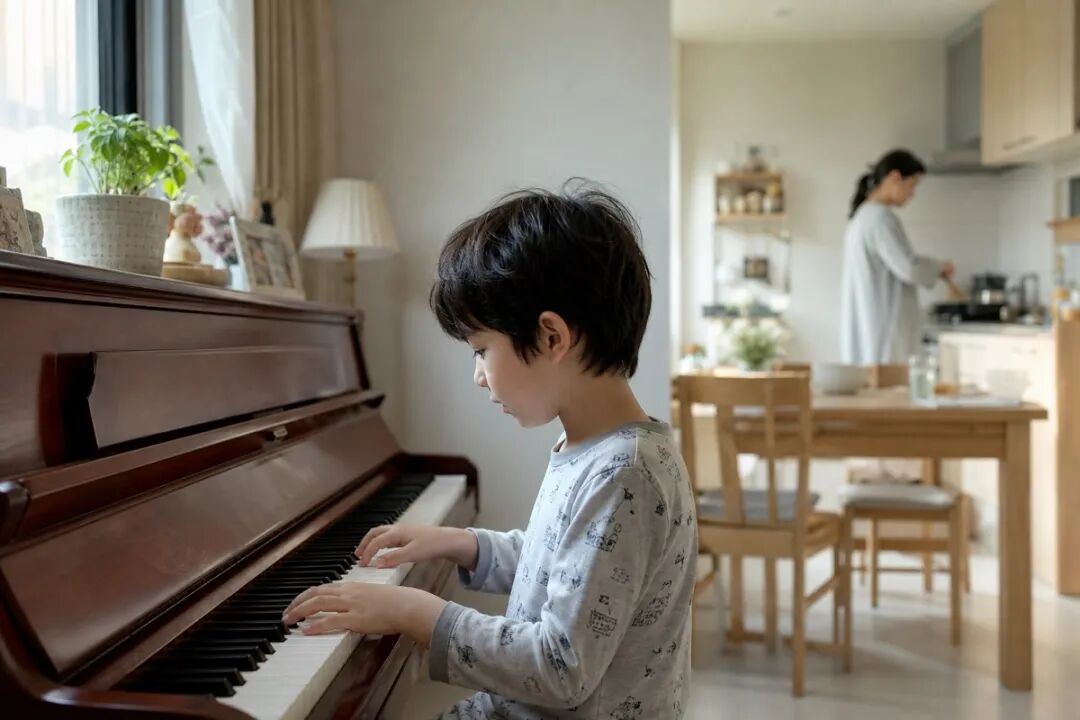
What Really Affects Progress Is Going Without Feedback over Time
Sitting at the piano every day, always playing from beginning to end without knowing where the problems are, is not necessarily more effective than taking a reasonable break.
Conversely, a child who misses a day but returns remembering the teacher’s goal and is willing to slow down to identify one problem is still learning.
Families can keep one simple rule: breaks are allowed, but agree on where to begin again next time. For example, “Tomorrow afternoon, start with the first four bars on page two.” This gives the child a small, clear way back in.
Learning music needs continuity, and it also needs room to breathe. Continuity does not mean never missing a day. It means still knowing how to pick things up after an interruption.
After an occasional day off in your family, does your child return naturally, or does worrying about being rusty make starting again even harder?
Source: Original WeChat article