“If you don’t buy me a piano, don’t come home.”
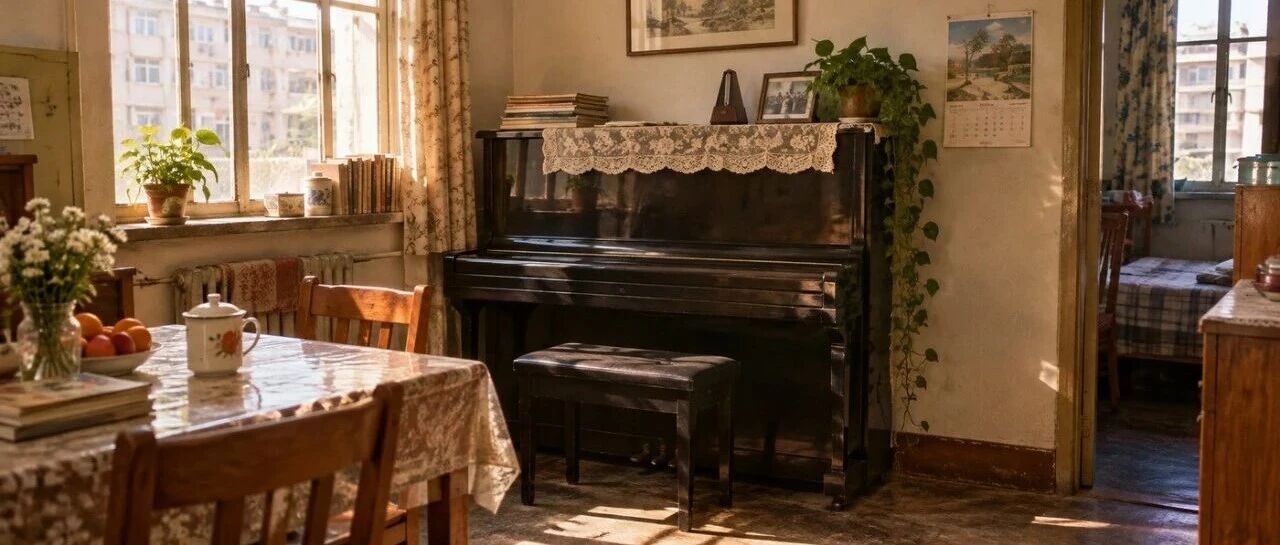
The person who said this was Lin Ziren, an editor at Jiemian News. She was in primary school at the time, and her parents had found her a teacher from a music conservatory. She saw a piano while taking a lesson at the teacher’s home, then went home and said those words to her father.
Her parents spent 8,000 yuan on a Pearl River piano. Their home was a one-bedroom apartment and already cramped, but they made room for the piano anyway.
In early 2024, the Jiemian News editorial team discussed why pianos were becoming less common in middle-class Chinese households. Several editors shared their childhood experiences of learning piano. The piano in Lin Ziren’s home was the most memorable image from that discussion.
That Generation: Buy the Piano First, Then Learn
She also described what her parents had been thinking: they did not expect her to become a professional musician, but hoped she would develop perseverance and learn to manage her time. They had also heard that studying music could make children smarter and protect their eyesight. She added that she now wears glasses.
Another editor, Dong Ziqi, recalled that most children in the building where she grew up were learning piano, electronic keyboard, or accordion. The article also cited a figure from music critic Deng Ke: in 2018, China had approximately 30 million children learning piano.
For that generation of families, the sequence was to bring a piano home first, then start learning. Once the piano arrived, the commitment to learning was settled. Eight thousand yuan and a corner of a one-bedroom apartment were both staked on it.
Lin Ziren studied from kindergarten through junior high school. After she began boarding at school in junior high, practicing became inconvenient, so she stopped taking formal lessons and played occasionally when she went home.
This Generation: Learn First, Then Decide Whether to Buy
For many families in China today, that sequence has reversed.
They start with lessons in a piano practice studio, or buy a digital piano, and study for six months or a year before deciding whether to buy an acoustic piano. Some families never buy one.
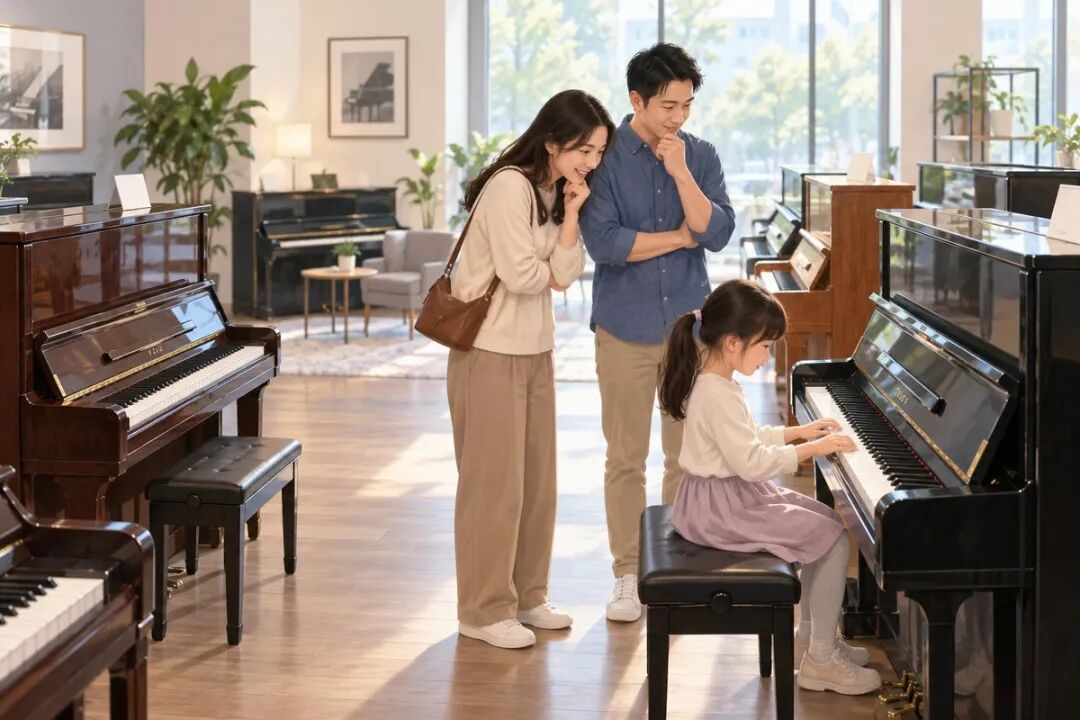
Attitudes are not the only thing that has changed. Buying a piano has changed too. An April 2025 Jiemian News report cited an industry white paper from the China Musical Instrument Association: annual piano sales in China fell from 356,000 in 2018 to 128,000 in 2023. The same report described a surge in piano listings on secondhand platforms, with asking prices often below one-tenth of the original purchase price.
Today’s parents can see those listings for themselves. How much a piano bought at the outset might be worth after lessons stop is plain to see. If they do decide to buy, they can still find one later, and at a lower price.
Whether You Buy First or Learn First, Agree on Two Things
Learning before buying removes a large expense that would otherwise have to be paid up front. If a child truly no longer wants to learn, the family does not have to keep pushing simply because “we’ve already bought the piano.” If the child wants to continue, there is still time to choose an instrument that fits the budget and practice needs.
But the timing of a purchase cannot decide how a family will approach learning. Buying first does not mean a family will find time to practice; using a digital piano for the time being can still support serious study.
So whenever you buy, and whether you choose new or secondhand, you can first settle two things.
The first is the practice routine: what time the child will play each day, for how long, and who will be there with them.
The second is whether the child wants to do it. Look beyond how happy they were at the trial lesson: after learning for a while, are they still willing to sit down at the piano of their own accord?
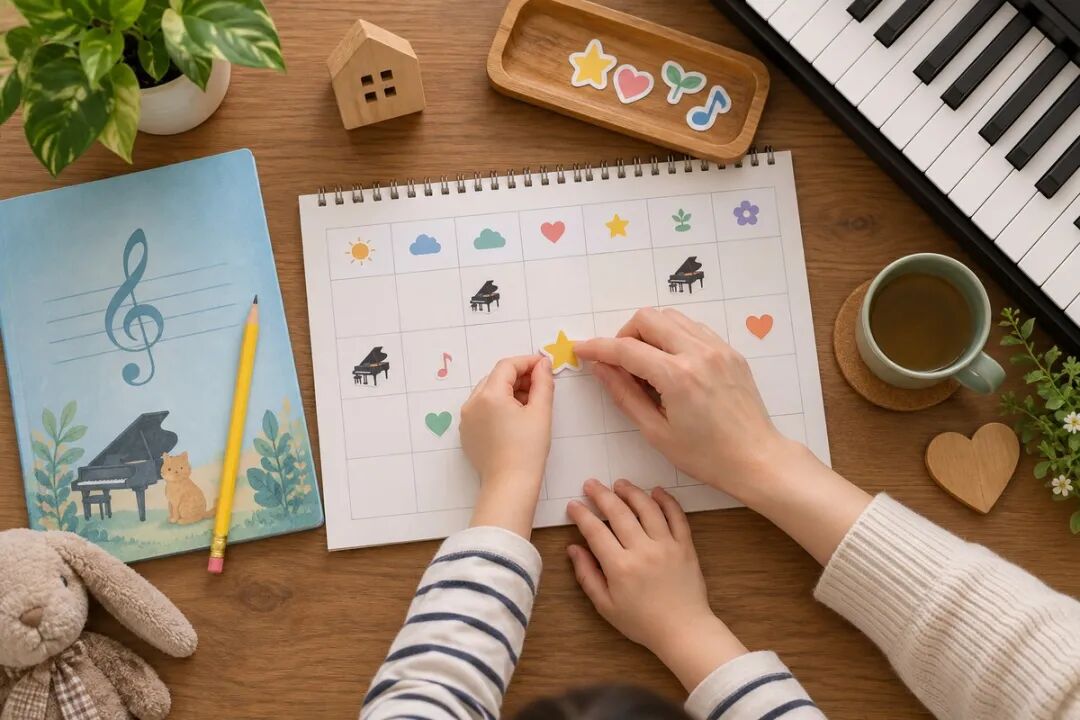
Agree on those two things first. Then consider your budget, available space, and the teacher’s advice to decide when to buy and what kind of instrument to choose.
Lin Ziren did not go on to pursue music, and that Pearl River piano did not make her a pianist. But after all these years, she still remembers, word for word, what she said to her father in primary school.
Wonder Piano provides AI-assisted piano practice at home. Here, we write about practice methods and the difficulties families encounter when putting them into everyday use.