This is Wonder Piano. Our work in China focuses on AI-assisted piano practice at home, and we also take a harder question seriously: what should you do when a child does not want to practice, cannot get into it, and a parent does not know what to say? Here, you will find practice methods as well as the difficulties families may encounter when putting those methods into everyday life.
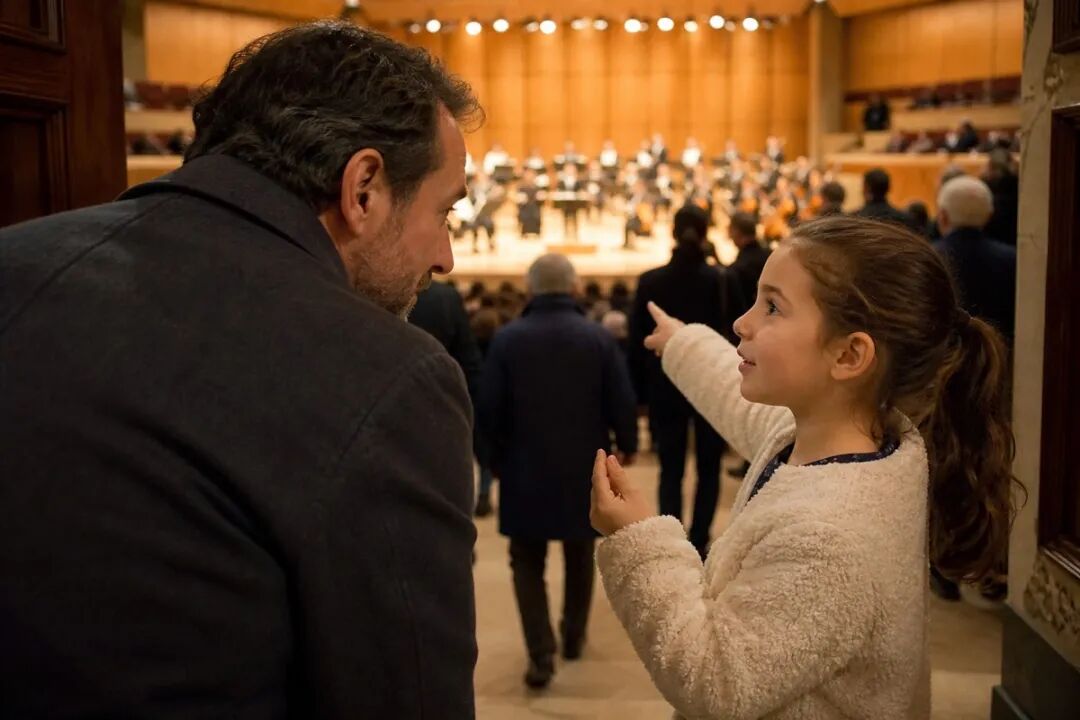
In the original article, the author recalls a friend taking her child to a classical concert. As they left, she eagerly asked what the child thought. The child frowned and said, “It was boring.” She felt disappointed, thinking the outing had been wasted and the child had not taken in the music at all.
But when she later asked more carefully, she discovered that things were not so simple.
“It Was Boring” Can Mean Three Completely Different Things
When a child says, “It was boring,” follow-up questions often reveal one of three situations. First, the child really did not understand the music, could not sit still throughout the concert, and was simply waiting for it to end. Second, the child understood some of it but found the pace too slow; compared with the music they usually listen to, it did not hold their interest. Third, and easiest to overlook, the child actually connected with a particular passage but did not know how to describe the feeling. “It was boring” was simply a dismissive answer used because they could not find more precise words.
When this parent asked further, the child’s answer pointed to the third situation: “There was a part in the middle where the piano was really fast, and my hands started moving along with it. But then it got really slow again, and I didn’t know what to do.” This was hardly a case of not taking in the music. The child had a real response to the changes in tempo, but did not realize that this counted as feeling something.

To Judge the Value of a Musical Experience, Look Beyond the Child’s Immediate Verdict
A child’s first reaction after a concert depends heavily on their energy that day and whether the repertoire is in a style they know. That reaction and whether the experience was useful to them are two different things. The questions worth asking are not broad ones such as “Did it sound good?” or “Did you like it?” Instead, ask specifically, “Which part do you remember?” or “What did that part make you think of?” These questions can help uncover a real response that the child cannot yet put clearly into words.
If further questions reveal that the child was disengaged from beginning to end and cannot remember any details, the experience probably had little effect. Next time, try a type of repertoire better suited to the child’s age and interests. But if, like this child, they can describe a specific passage and a physical response, the experience has already had an effect; they simply have not yet reached the point of being able to express it fully.
If you have taken your child to a concert or live performance, have you asked afterward which specific part they remember? Share in the comments what your family heard in response: was it a dismissive answer, or did it include details?