Piano Practice Burnout: How to Reignite Your Child’s Love for Piano
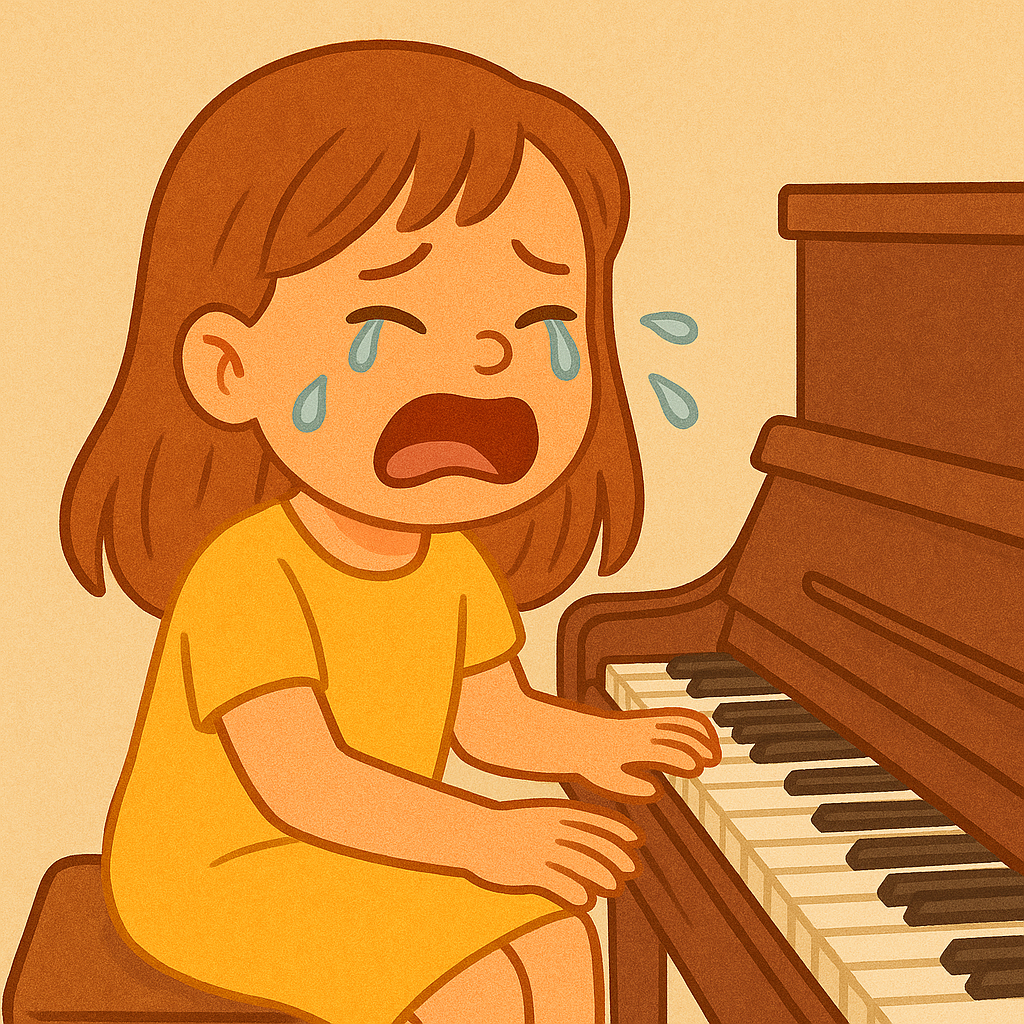
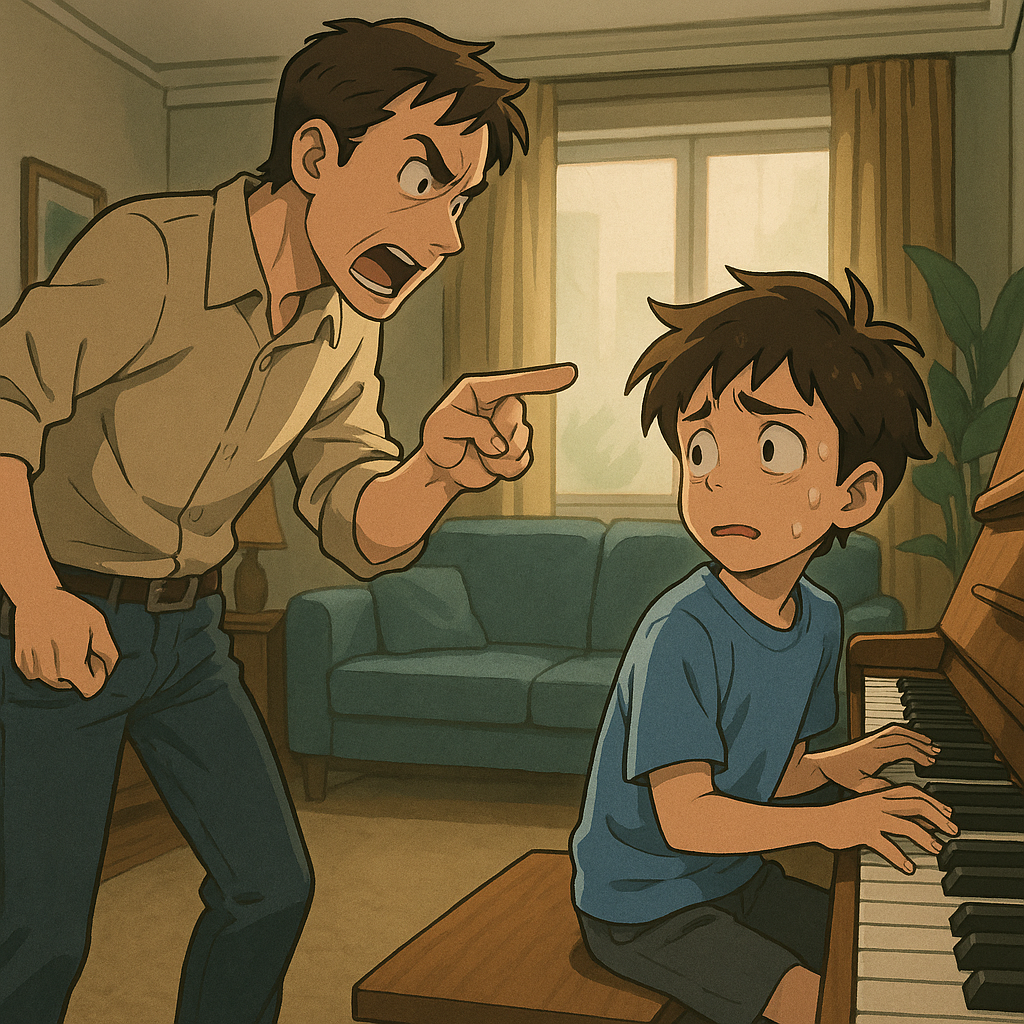
“I don’t want to practice today.” “Mom, can I skip piano today?” When these words become a daily occurrence, both parents and children may be feeling exhausted. The daily cycle of coaxing, nagging, and arguing over practice not only strains the parent-child relationship but turns what should be a beautiful musical journey into a burden.
Welcome to the practice burnout phase. This phenomenon doesn’t mean your child “can’t keep up” or “doesn’t like piano.” It’s a natural challenge that arises from the intersection of learning experience and psychological development.
What Is “Practice Burnout”?
Many parents simply conclude that their child’s resistance means they “don’t like piano,” but developmental psychology offers a deeper explanation.
According to Erik Erikson’s stages of psychosocial development, children between ages 6 and 12 are in the critical “Industry vs. Inferiority” stage. They are intensely focused on “Am I good enough?” and how they compare to their peers.
When practicing piano repeatedly brings feelings of failure, the brain instinctively activates avoidance mechanisms. This explains why a child who was enthusiastic and self-motivated just a few months ago can suddenly lose all interest.
Why Do Children Lose Their Passion for Piano?
A veteran piano teacher with 15 years of experience summed it up perfectly: “It’s not piano practice itself that makes children dislike piano — it’s specific ways of practicing.” Wonder Piano has identified three core factors:
- Too Much Correction, Too Little Achievement
Constant interruption and criticism can trigger what psychologists call the “negative feedback accumulation effect.” When every playing session is dominated by mistakes, the subconscious creates an association: “playing piano = being criticized.” There’s simply no room for a sense of accomplishment.
- Lack of Autonomy
Research on children’s learning motivation shows that when children have the power to choose, their motivation can increase by over 70%. Yet in many households, the routine looks like this: parents pick the pieces, the teacher sets the tasks, and the child passively follows instructions. Practice naturally devolves from a passion into just another assigned chore.
- No Positive Feedback Loop
Adults get immediate rewards for their work — a paycheck, a word of praise. But for children practicing piano, the “reward cycle” is often far too long. Today’s effort might not receive any recognition until next week’s lesson. This delayed feedback is the biggest motivation killer.
How to Help Your Child Through the Burnout Phase
The key to overcoming burnout is optimizing the practice experience and restructuring learning motivation.
- Shift the Goal: From “Getting It Right” to “Feeling Accomplished”
Parents should shift their focus from outcomes (whether notes are correct) to positive experiences in the process. Try setting “micro-goals.”
For example: “Today, let’s keep a steady rhythm through the first eight measures” or “Today, let’s play through once without stopping.” When these goals are met, offer small, immediate, genuine reinforcement — a sticker, a point, or a specific compliment like: “You improved a little more today compared to yesterday.”
This is what psychologists call “micro-positive reinforcement,” and it’s far more effective than correction alone.
- Give Your Child the Power to Choose
Encourage your child to pick a piece they genuinely enjoy. Even if it’s a pop song or a cartoon theme — as long as it sparks their desire to practice, interest is the eternal engine of intrinsic motivation.
- Lower the Psychological Barrier to Practice
“You must sit and practice for 30 minutes straight” is a major reason children resist. Try segmented practice instead: break the session into “10 minutes of hands-separate practice, a 2-minute break, then 10 minutes of hands-together practice.”
Research shows that segmented practice effectively improves children’s focus and concentration.
- Use Gamification to Power Up Practice Motivation
Children are naturally drawn to “challenge + reward” dynamics. Instead of demanding they “complete a task,” turn practice into a quest where they level up. This sparks their willingness to keep trying.
Our understanding of AI-assisted practice shouldn’t stop at a cold “scoring tool.” It can be a catalyst for psychological motivation.

Wonder Piano was designed with exactly this philosophy — transforming tedious practice into a “magical adventure.”
After playing, children don’t just receive a score — they unlock story chapters, collect magic stones, and earn item rewards. When wrong notes appear, the system uses gentle voice prompts to guide children toward self-correction, greatly reducing the frustration that comes from being immediately interrupted.
More importantly, Wonder Piano brings a sense of story and instant achievement to practice. Usage data shows that children using Wonder Piano see an average 68% increase in consecutive self-motivated practice days, and parents report nearly half the coaching pressure. Many parents share: “Our child now opens the app to practice on their own every day — we’ve become the happy audience.”
Every child’s musical journey will inevitably go through a “burnout phase.” This isn’t a setback — it’s a necessary stage of growth.
With Wonder Piano, every practice session becomes a small adventure. Children explore a world of music while parents rediscover ease and laughter in the journey alongside them. This is the ideal learning experience we strive to create.