If Parents Don’t Understand This, Every Hour of Practice Is Wasted
Watch Out for the Illusion of “Performance-Style Practice”
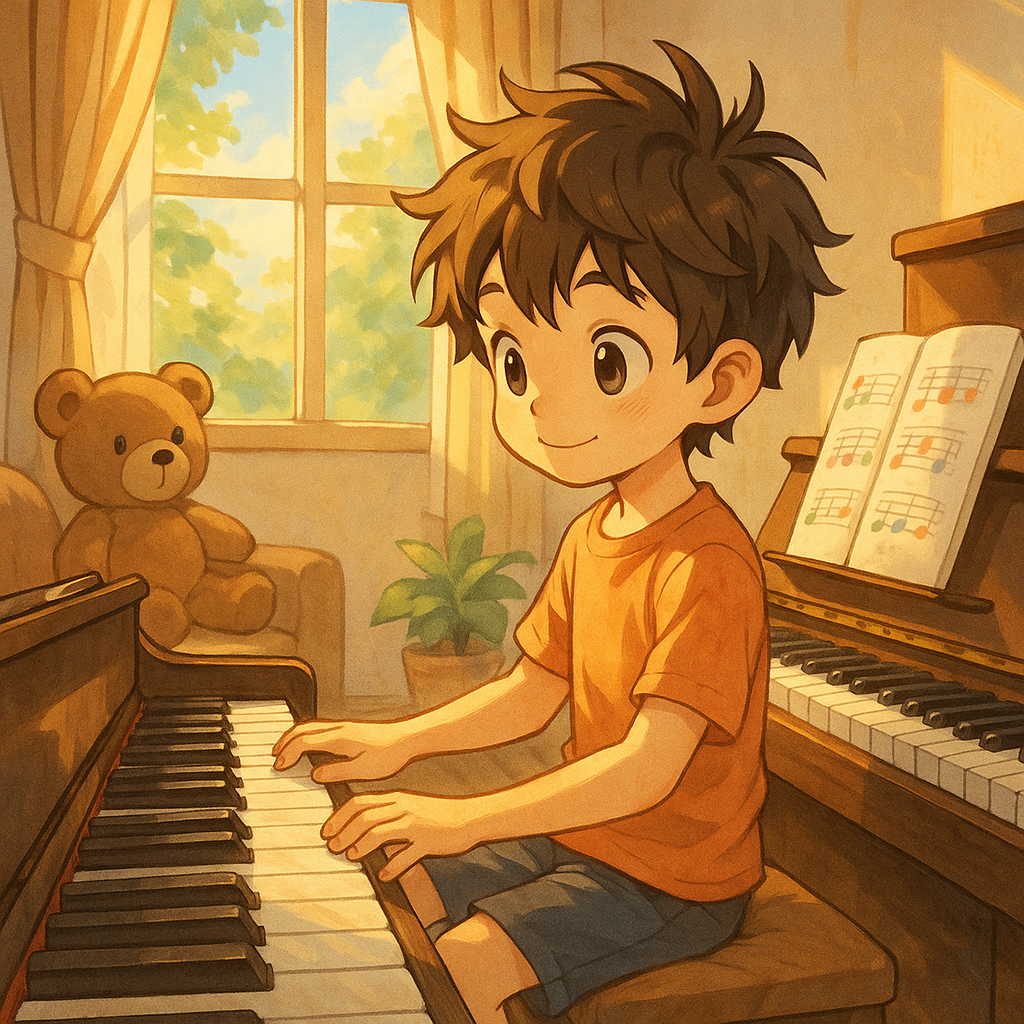
As dedicated music educators, we often hear the same concern from parents: “My child sits at the piano every day and practices for a full hour, but when the teacher checks their progress, it’s still full of wrong notes and unsteady rhythm — sometimes the feedback is ‘no real improvement since last week.’”
The money’s been spent, the time’s been invested, and the child has technically “practiced” — but the results just aren’t there. Parents understandably feel frustrated and assume their child must be slacking off or not paying attention.
But here’s the thing — it may not be that simple.
In many cases, children aren’t lacking effort. Their effort is just going in the wrong direction. They may be stuck in a pattern of “ineffective practice” without even realizing it.
To understand what’s happening, we need to distinguish between two key concepts: “practice mode” and “performance mode.” Once these two get mixed up, an hour of daily practice can genuinely amount to nothing.
Is Your Child Using “Performance Mode” to Fake Practice?
What is “performance mode”?
It means playing a piece from beginning to end, aiming to make it sound “pretty good” — chasing a sense of flow and continuity. But that’s exactly where the problem lies. When a child treats “practicing” as the same thing as “playing through a piece,” trouble follows.
When they hit a wrong note, they don’t want to stop and correct it — they gloss over it to keep the music “moving along.” Over time, these mistakes get practiced in and reinforced, becoming deeply ingrained bad habits.
After a piece becomes familiar, their fingers go on “autopilot” while their brain checks out. Without awareness of rhythm, fingering, or pitch accuracy, it’s just mechanical repetition with virtually no growth.
The most deceptive part is that it creates the illusion of effort. The child feels like they practiced, and the parents see them sitting at the piano the whole time. Everyone assumes progress is being made — but all that’s really happening is repeated “performing,” not actual “practicing.”
It’s like a student reviewing for an exam by flipping through the textbook from start to finish without ever doing a single practice problem — it looks like hard work, but nothing meaningful is actually being learned.
Real Progress Hides in the Slightly Uncomfortable Process
True “practice mode” is almost the opposite of “performance mode.”
It’s not about making the whole piece sound good. It’s about acting like a detective searching for clues or a doctor diagnosing symptoms — finding every stumble, every awkward transition, every rhythmic blur, and working on them one by one through careful breakdown and repetition.
This approach is all about breaking things into small pieces and isolating the hard parts. It’s not “start from the beginning again” — it’s “practice exactly where you struggle,” even if that means working on the connection between just two notes over and over.
Slow down. The slower you go, the more clearly you can see problems, and the better your brain can keep up with your fingers — building real control and understanding.
Practice must be focused. Don’t play the whole piece ten times. Instead, isolate the difficult sections and concentrate on them with targeted repetition until correct muscle memory is formed.
Here’s the honest truth: this kind of practice isn’t comfortable, doesn’t sound pretty, and doesn’t even feel like music — but it’s where all real progress begins.

Getting Your Child to Embrace “Practice Mode” Isn’t About Nagging
We completely understand that it’s hard for parents to play the role of “professional coach” over the long term. It takes musical knowledge, endless patience, and emotional steadiness to keep encouraging a child through repetition after repetition.
Yet sometimes, just one comment like “Why are you still stuck on that same part?” can push a child right back into the comfort zone of playing from start to finish.
This is exactly the problem we set out to solve when creating Wonder Piano: how do you get a child to naturally shift into “practice mode” without feeling frustrated or resistant?
Our answer: turn practice into an adventure through the power of play!
In Wonder Piano, practice isn’t a tedious chore — it’s a series of quests where children unlock storylines and collect magic stones.
- Every successfully practiced passage earns “magic power points”
- Every time they correct a wrong note, it’s like defeating a challenge and leveling up
- The deeper they practice, the closer they get to the next chapter of the story
In What Looks Like “Play,” Children Slip Into Real Practice Mode Without Even Noticing
Redefining the Parent’s Role
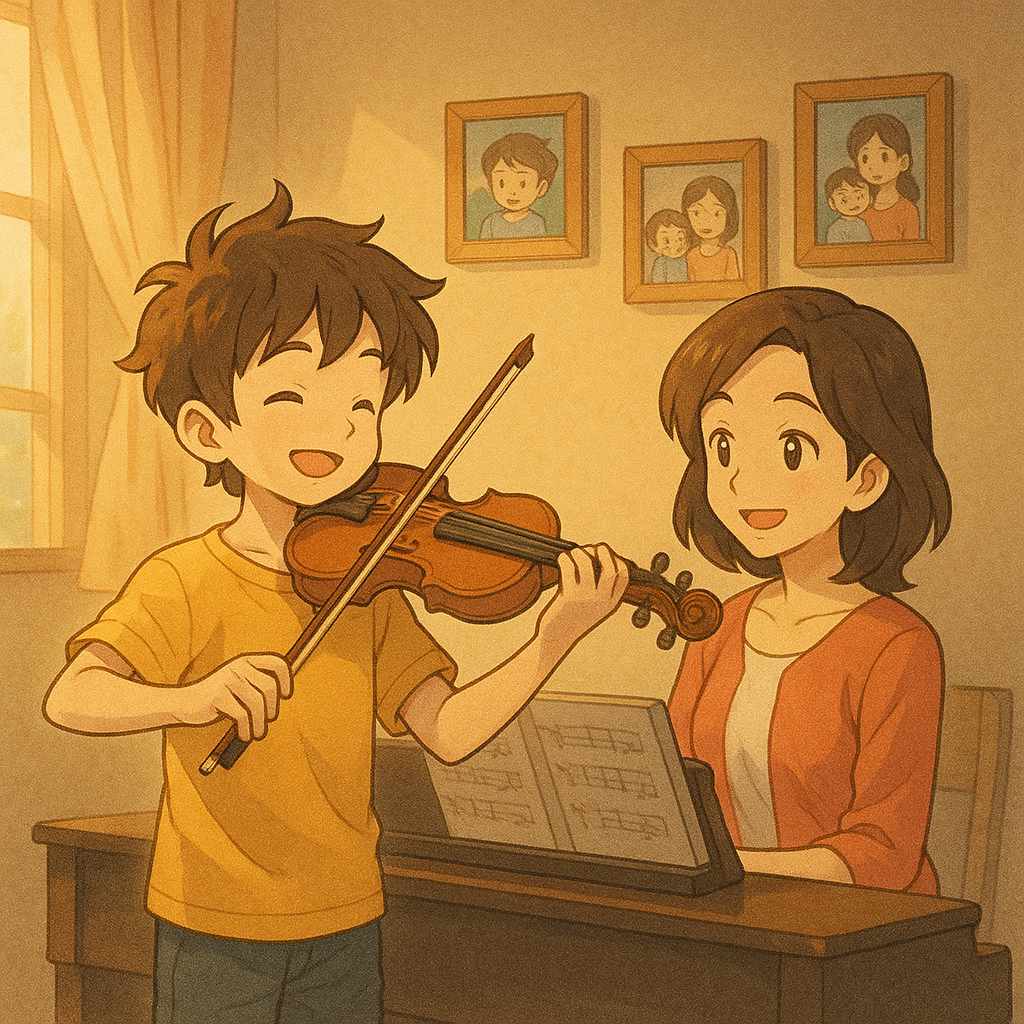
In the past, you may have been the “supervisor” — watching for wrong notes, correcting in real time. Now, you can relax into being an “appreciator” and “cheerleader.” Every time your child persists, every small improvement they make, you get to be the person who offers encouragement and recognition.
This Kind of Emotional Support Fuels a Child’s Inner Motivation Far More Than Any “You Got It Wrong”
Shifting from “performer” to “troubleshooter” may seem like a small tweak in practice style, but it’s actually a major leap in how a child thinks about learning. It doesn’t just make practice more efficient — it builds a profound life skill: how to identify problems, how to break down challenges, and how to focus on solutions.
We truly believe that when a child falls in love with the process of practicing itself, they gain far more than a handful of polished pieces. They develop a way of growing that will serve them for the rest of their lives.
This is the gift that Wonder Piano hopes to bring to every family.