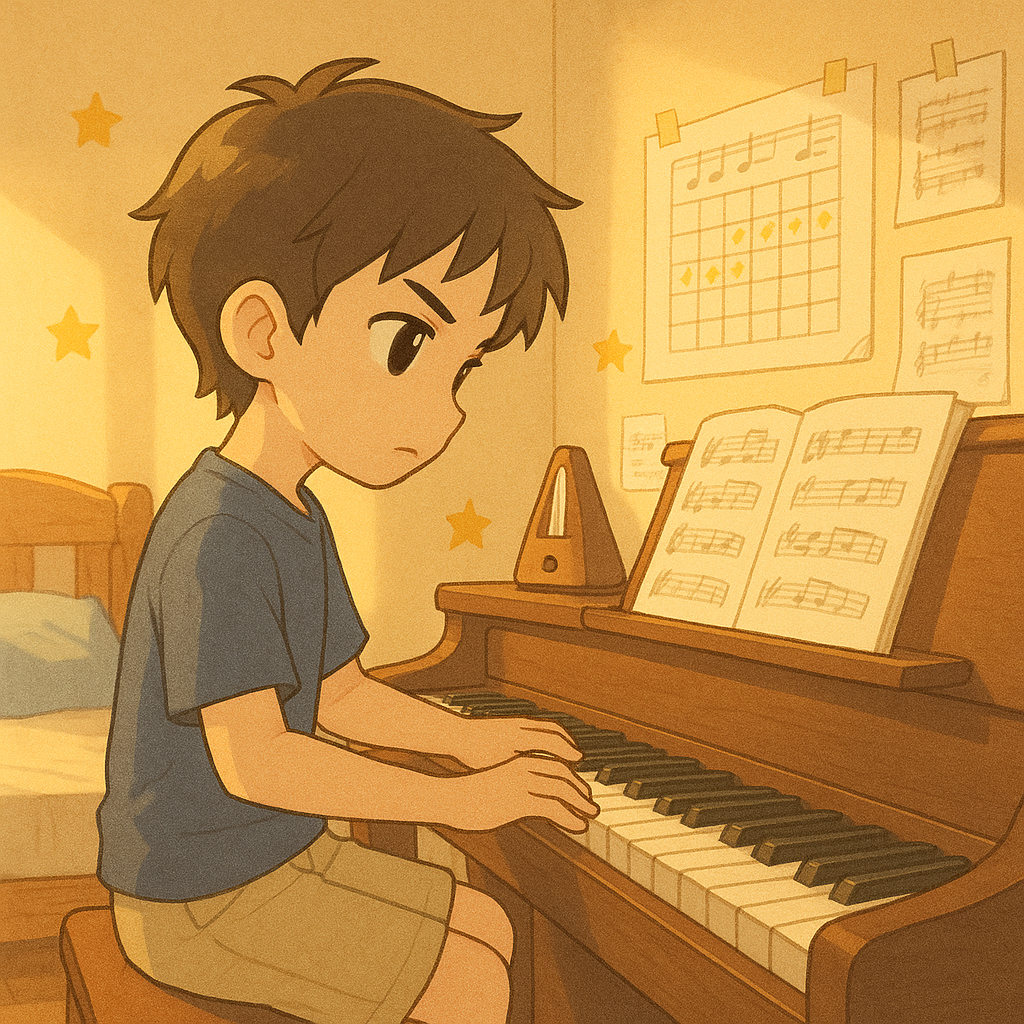
Music Education Is the Best Way to Cultivate Long-Term Thinking
The other day, a friend told me, “Kids these days give up so easily. They lose interest in everything after five minutes.”
I asked her, “What has your child tried?” She said, “Piano, painting, swimming, coding — quit them all halfway through.”
I smiled. The truth is, many parents face the same thing. It’s not that children lack perseverance — it’s that they’ve never truly been taught what long-term thinking looks like through any single pursuit.
And music education happens to be one of the rare “training grounds” for exactly that.
Music Is the Art of Time
Psychologist Daniel Levitin once said: “Music education is one of the few learning experiences that lets a person truly feel the value of time.”
Every time a child sits down to play, they face time head-on:
Rhythm is the perception of time.
Practice is a contest with time.
Growth is time’s reward.
According to research by the National Association for Music Education in the United States, children who study music continuously for more than two years score 38% higher on self-management and task persistence assessments compared to their peers.
In other words, music doesn’t just teach children how to “play” — it trains the ability to see things through.
Many parents set goals like grading exams, competitions, or stage performances. But the real value often lies in subtler places.
Building the ability to delay gratification: Psychologist Walter Mischel conducted the famous “Marshmallow Experiment” — children who could resist eating a marshmallow right away showed greater self-control later in life. Learning music is essentially a continuous process of “postponing the reward.” What you practice today lays the foundation for the progress you’ll see a month from now.
Growing resilience: The journey of learning piano is almost never smooth. Something as small as finger coordination or memorizing a rhythm can push a child to the brink of tears. But when they push through those difficult days of getting it wrong and gradually feel “I can do this,” that resilience becomes invisible armor for the rest of their lives.
Goal management and self-feedback: Music training has natural “milestone goals” — reading sheet music, practicing hands separately, playing hands together, performing a complete piece. Each stage is a small victory. This process of breaking things down step by step is itself a hands-on lesson in long-term thinking.

Long-Term Thinking Isn’t Just Perseverance — It’s Perseverance with Feedback
The biggest misconception about long-term thinking is that it means “gritting your teeth and pushing through.” But perseverance without feedback only leads to faster burnout. The reason music education truly cultivates long-term thinking is that it comes with a built-in feedback system.
Every time a child plays the right note, stays on beat, or produces a more beautiful tone, they’re receiving a message: “You’re getting better.” This kind of visible progress is the greatest motivation to keep going.
Interestingly, neuroscience research has found that when children play an instrument, dopamine levels in the brain rise noticeably — especially after hitting the right notes or completing a goal. This means learning music is naturally “addictive” in the best way.
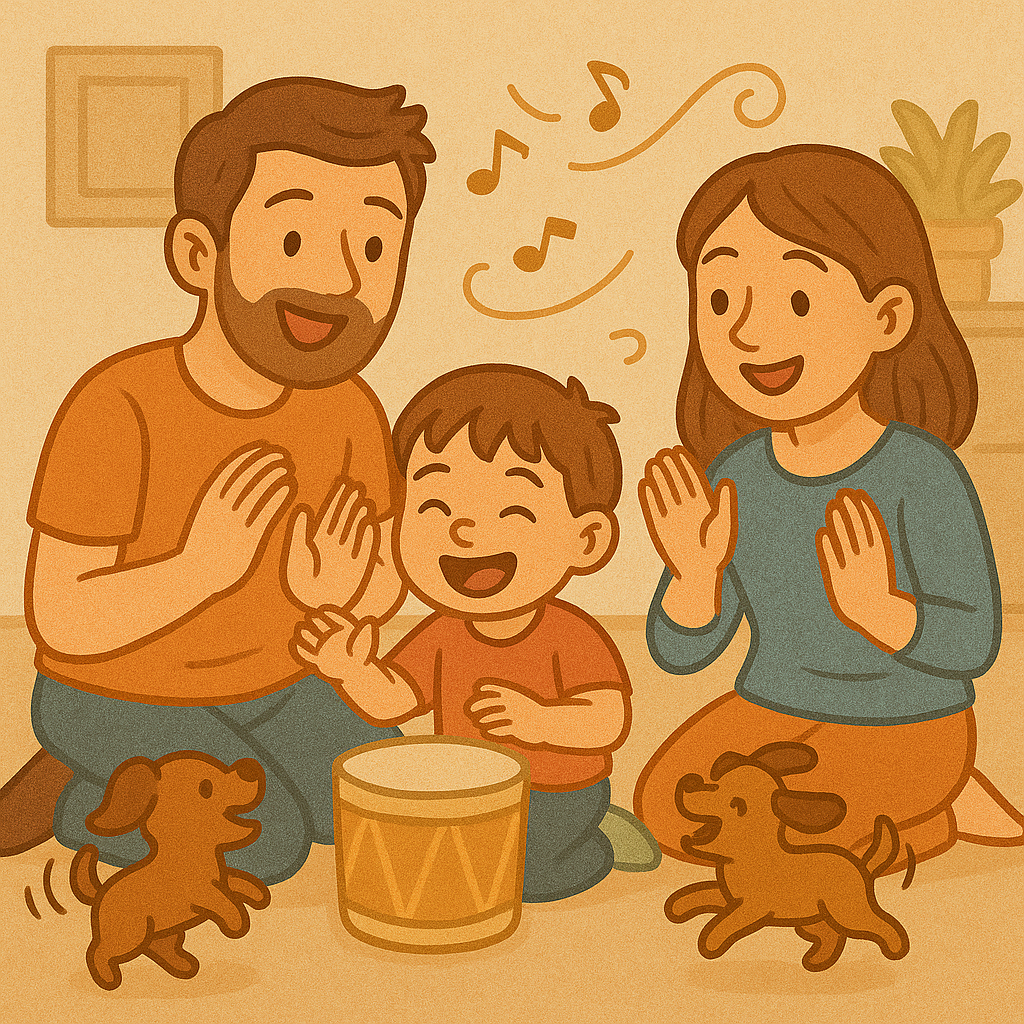
Music education isn’t a solo journey for the child. Often, how far a child goes depends on how long the parent can stay the course alongside them.
Truly long-term-thinking parents aren’t the ones who force their children to practice. They’re the ones who, in the midst of every “I don’t want to practice” meltdown, teach their child how to start again.
One parent said, “My child always resists practicing, and honestly, I’m exhausted too.”
The truth is, it’s not that practicing piano is hard — it’s that building a positive cycle is hard. The child feels frustrated, the parent gets anxious, the atmosphere grows tense, and the child wants to practice even less. It’s a vicious cycle.
But when the practice environment shifts to one of “gentle feedback” and “encouragement,” the child’s mindset changes completely.
Technology Makes Long-Term Thinking Easier to Sustain
In the past, practicing piano meant brute-force repetition: play it again, get it wrong again, get scolded again. Today, AI technology is making the “long game” of music education more scientific and more enjoyable.
Take Wonder Piano as an example. It turns practice into a continuous, gamified experience with positive feedback:
AI Real-Time Recognition: Using just a phone or tablet microphone, Wonder Piano accurately detects pitch, rhythm, and dynamics — no external devices needed. When a child makes a mistake, instead of an abrupt interruption, it offers a gentle prompt to help them self-correct.
Story-Based Levels: Each practice session unlocks part of a “magical adventure” storyline, earning magic points and item rewards. Caught up in the thrill of progressing through levels, children end up practicing a piece dozens of times without even realizing it.
Parent Companion Module: Parents can view practice records in the app. Even without any musical background, they can gauge practice quality. It transforms the parent’s role from “supervisor” to “appreciator,” making the experience lighter for everyone.
These features aren’t just innovations in a “practice app” — they’re a practical implementation of long-term thinking in education. Teaching children to embrace delayed rewards, and teaching parents to practice patient companionship — that’s what long-term thinking looks like at its warmest.
The true meaning of music education was never about “learning a few songs.” It’s about planting a belief in a child’s heart: “If I keep at something, I can slowly get better.”
That belief will carry them through the tedium of homework, the lows of friendships, and the uncertainties of life. It teaches them that not every moment needs to produce a result — but every effort counts.
If you want your child to learn, through the companionship of music, how to slow down, settle in, and keep going, why not start with a fun, relaxed, and sustainable practice experience?
Like Wonder Piano — letting your child’s long-term thinking grow, little by little, from every smile that says “I want to practice.”