“Mom, I Don’t Want to Practice Piano Anymore” — When You Hear This, Hug Them First, Then Say These 3 Things
Some moments, parents can sense coming.
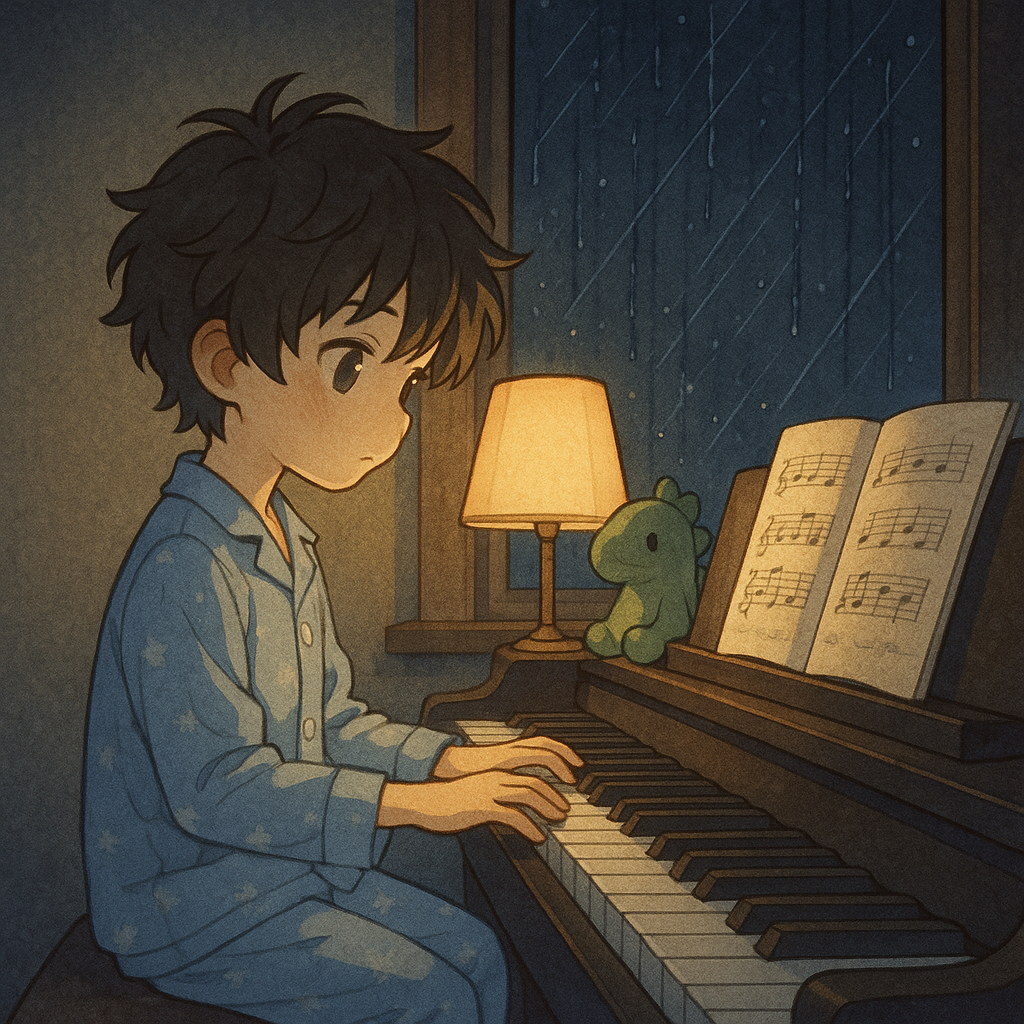
Your child grows increasingly distracted during practice, zoning out within ten minutes of sitting at the piano bench. A nudge gets a reluctant run-through or two, followed by “This is so annoying, I don’t want to practice,” with the music book left open on the stand.
Until one day, they finally say what’s been weighing on your mind too: “Mom, I don’t want to learn anymore.” You freeze, unsure whether to push forward or let go.
They used to love music so much. They once smiled and bowed on stage. So why the sudden change? You’ve invested time, money, and energy. They’ve given up countless hours of free time from their childhood. The cost of quitting seems too high for anyone to bear. But forcing them to continue clearly makes them miserable.
At This Crossroads, the Pain of Persisting Runs Deep and the Cost of Quitting Feels Too High — Many Families Get Stuck Here
But actually, between “keep going” and “give up,” there’s a wiser choice: pause, and truly understand what your child actually wants to quit.
They Don’t Really Want to Quit — They’re Just Frustrated With How Things Are
Many children don’t suddenly “change” — they’ve genuinely “hit their limit.” They may not dislike music at all. What they dislike is:
Having to tediously repeat a passage ten times over a single wrong note;
Trying really hard, only to hear the teacher say “no improvement”;
Playing the same section every day, like being stuck in a game they can never beat.
Over time, practice shifts from something they love into a burden — even a source of defeat. What they want to quit isn’t music itself, but the frustrating way they’re currently learning and how it makes them feel
If parents rush to lecture or force the child back at this point, they often miss the real window to solve the problem
Hit the “Cool-Down Pause Button” — Don’t Argue, Don’t Jump to Conclusions
When your child says “I quit,” it’s not an emergency requiring an instant response. The worst thing is emotions colliding with emotions. One parental “Why can’t you just stick with it?” ignites the child’s frustration and defiance — “I just don’t want to practice!” — and the door to communication slams shut.
The right approach: pause for 24 to 48 hours.
No judging, no lecturing, no pressuring. Calmly tell your child: “I hear you. Let’s take a two-day break from practice. We’ll both cool down and think things through.” That single sentence is a key that lowers the temperature. It gives your child temporary relief from the pressure and gives you a chance to gather your thoughts.

Ask These 3 Key Questions to Find the Real Root Cause
After the cool-down period, find a relaxed moment and talk through these three questions with your child:
Question One: “Do you not like playing piano anymore, or do you not like the way you’re practicing right now?”
Many children say “I don’t want to learn,” but what they really mean is “I hate learning this way.” Is it the rule about practicing a full hour every day? Being scolded every time they hit a wrong note? Or feeling like the current pieces are too hard or too boring?
Clues to watch for: Do they still enjoy listening to music? Is there a particular song they love? When did they start becoming resistant?
When someone is disappointed with the way they’re learning, they naturally take it out on learning itself
Question Two: “Do you feel like piano is ‘too hard,’ or do you feel like you ‘can’t play well’?”
Plateaus are inevitable on the piano journey. Especially when pieces get more complex, “just practice it more” won’t solve the problem. If the practice method is wrong and the child tries over and over without improvement, they sink into a feeling of “no matter how much I practice, it’s useless” — and their confidence drains away.
Clues to investigate: Do they often say “Practicing doesn’t help”? Are they increasingly resistant to sitting at the piano? Have they ever said “Everyone else plays better than me”?
Often, what children lack isn’t willpower — it’s a small taste of “I can do this.”
Question Three — A Question for Parents: “Am I insisting on ‘learning piano,’ or am I insisting on ‘my way of supervising practice’?”
Sometimes, what’s really causing the blockage is the parent’s fixed mindset.
Do you believe “practicing for a set amount of time every day” is the only way to show effort?
Do you believe your child won’t practice on their own without being yelled at?
Do you equate a temporary “pause” with lifelong “failure”?
Be honest with yourself: has the current way of supervising practice made your child miserable, left you exhausted, and put strain on the whole family? If so, maybe it’s not just the child who needs to change.

Finding New Possibilities: Let Tools Be a Partner, Not an Opponent
If you’ve identified the root cause through those three questions, that’s a good sign — it means the problem still has a solution.
Changing how your child practices doesn’t mean giving up on piano. Sometimes, a smart “partner” can transform the entire situation, turning the parent-child tug-of-war into the child’s own journey of exploration.
For example, many families are now trying AI-powered practice apps like Wonder Piano, which is designed not to “push” but to “guide.” It cleverly transforms the very things that frustrate children into forms they’re willing to embrace.
It turns tedious repetition into engaging adventures. Instead of mechanically “playing it ten more times,” children explore an adventure world where hitting the right notes collects magic stones and unlocks new storylines. The goal shifts from “making Mom happy” to “defeating this little monster” — and motivation follows naturally.
It replaces parental criticism with instant, precise feedback. The AI acts like a tireless, endlessly patient teacher, identifying wrong notes and rhythm issues in real time and marking them clearly on the score. Children immediately see where they went wrong and how to improve, instead of feeling confused and ashamed by vague parental complaints of “wrong again.”
It offers a rich song library that gives children the power to choose. When kids can play their favorite pop songs or cartoon theme music, music stops being an exam task and becomes genuine fun.
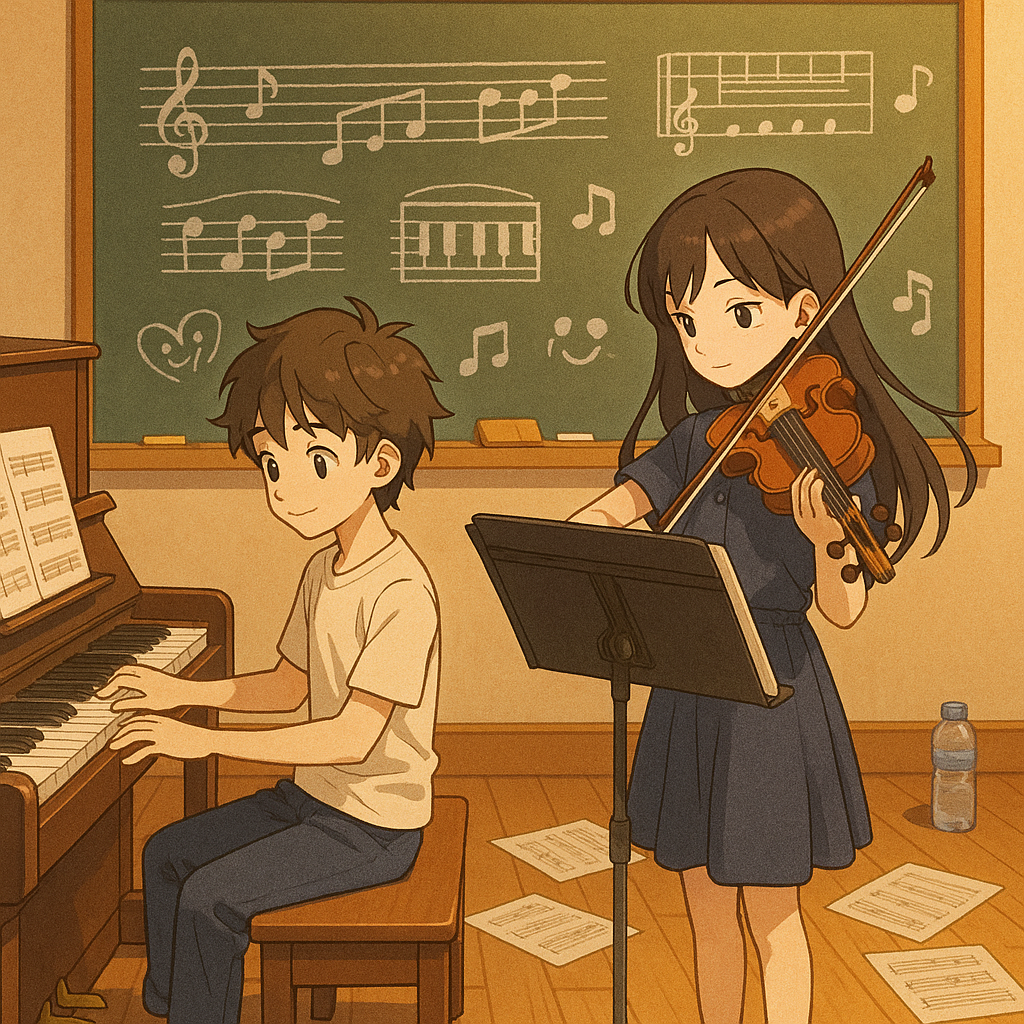
When a tool like Wonder Piano enters the picture, parents no longer have to be the “practice police.” Instead, they can step back into the more comfortable roles of “appreciative listener” and “encouraging partner.” What’s truly freed isn’t just the time spent supervising practice — it’s the increasingly strained parent-child relationship.
When your child says “I don’t want to practice anymore,” don’t rush to give the ultimate answer of “keep going” or “give up.” Maybe they’re not protesting music — they’re protesting how it feels right now. They don’t want to abandon their future — they just don’t want to keep going down this particular path.
Give them a chance to pause, a chance to express how they really feel, and give yourself a chance to find a new approach. You may discover that many moments that look like “giving up” are actually the turning points where a better path begins.