
Piano Pieces That Sound Impressive but Are Surprisingly Easy
Parents of young piano students, does this cycle sound familiar?
You finally managed to get your child to sit at the piano. But all they ever play is “Do Re Mi Fa Sol,” or they’re grinding through Hanon and Beyer exercises. When relatives or friends come over and you’d love your child to show off a bit, the best they can manage is “Twinkle, Twinkle, Little Star” — and the moment gets a little awkward.
What’s worse, your child feels the same way — “this is boring.” Repeating dry exercises every day with no positive feedback and little sense of accomplishment, they eventually just give up on practicing altogether.
We often assume the problem is our child’s lack of willpower. But what if the real issue is the goals we’re setting for them?
Let’s set aside any talk of “showing off” — there’s actually a serious educational psychology principle behind this idea.
Albert Bandura, the renowned Stanford psychologist, introduced a concept in his 1977 research (and subsequent studies) that has influenced generations of educators: “self-efficacy.”
In plain language, it’s your child’s inner belief that “I can do this.”
Bandura found that the most powerful way to build this belief is through what he called “mastery experiences” — moments when a child personally succeeds at something.
When a child successfully plays a piece that sounds impressive and receives a “Wow!” from classmates and genuine praise from parents, the mastery experience is enormous.
This experience directly strengthens their self-efficacy, making them believe they can overcome challenges. Research shows that high self-efficacy is significantly correlated with a student’s persistence in music, the effort they put in, and even their ultimate performance level.
On the other hand, if a child is always stuck between “too easy and boring” and “too hard and frustrating,” their self-efficacy stays low — and eventually they quit.
So finding pieces that sound advanced but aren’t actually that difficult isn’t about showing off. It’s about giving your child a psychological anchor — a moment of “I can do this” — that ignites their inner motivation.
5 Pieces That Sound Advanced but Are Beginner-Friendly
Here, Wonder Piano has put together a selection of pieces that are perfect “secret weapons.” They sound sophisticated and are widely recognized, but their actual difficulty (especially the core sections) is manageable. Think of them as a “dessert” alongside the regular practice “meal” — a way to build your child’s confidence.
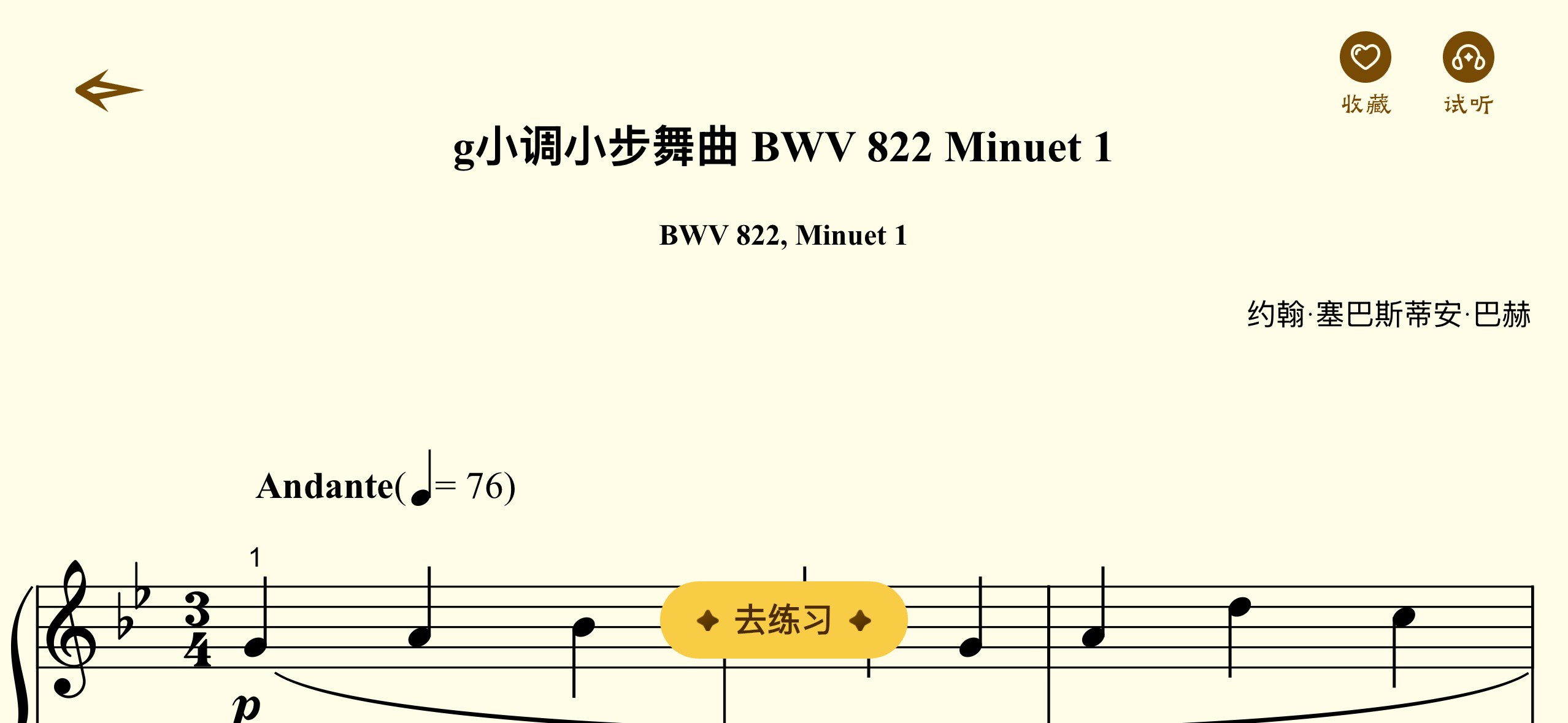
- Minuet in G Minor (Bach)
Why it sounds impressive: It’s by Bach, it carries that elegant Baroque feel, and the melody is a classic.
Why it’s manageable: This piece comes from Bach’s “Notebook for Anna Magdalena Bach.” It’s short, the left-hand accompaniment follows a simple pattern, and it’s perfect for children who have just finished Beyer. It’s an ideal gateway into polyphonic music.
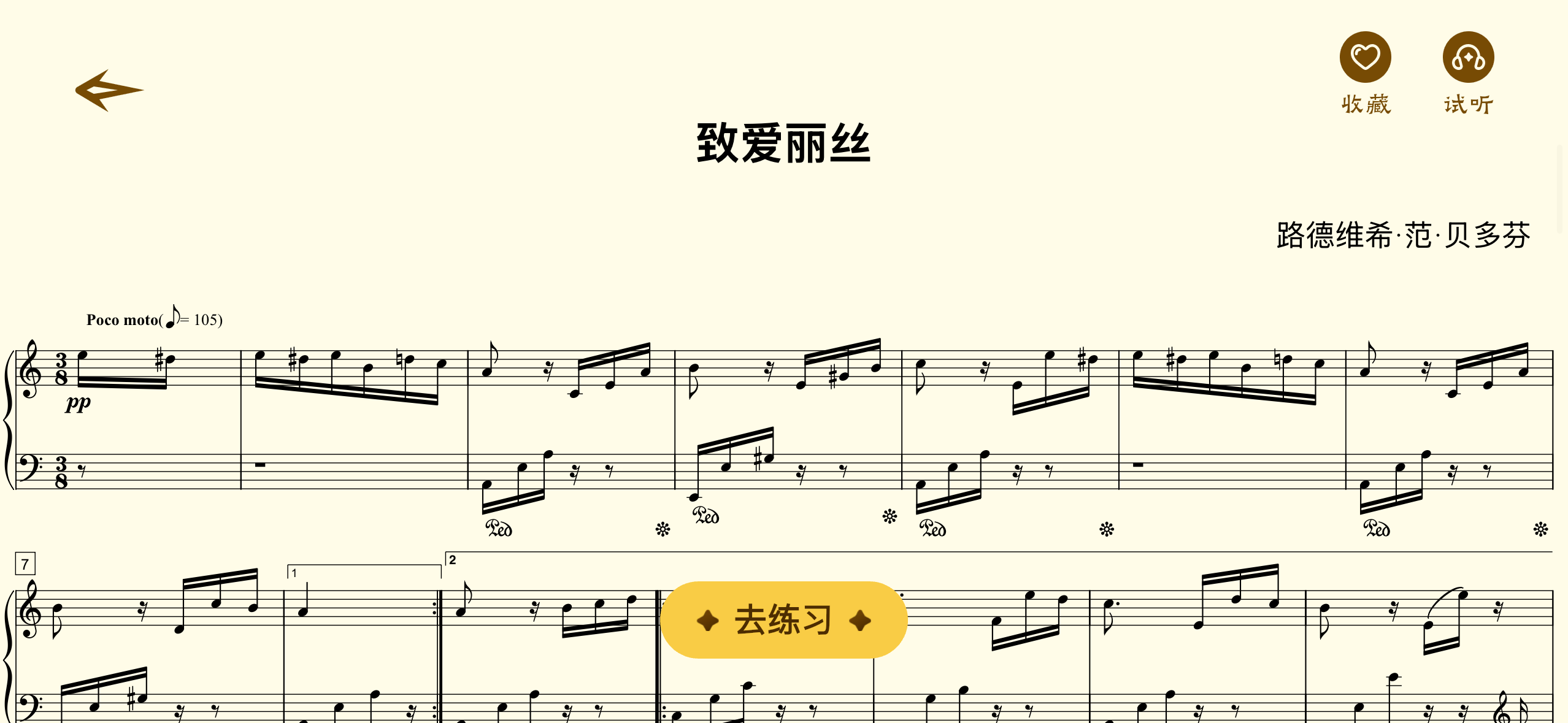
- Für Elise (Beethoven, Section A)
Why it sounds impressive: Everyone’s heard it. The moment the melody starts, it instantly creates that “pianist” atmosphere.
Why it’s manageable: You don’t need to play the entire piece! Just the iconic Section A — the part everyone knows. The fingering in Section A is highly repetitive, the coordination between hands isn’t difficult, and children can pick it up quickly for an instant sense of accomplishment.
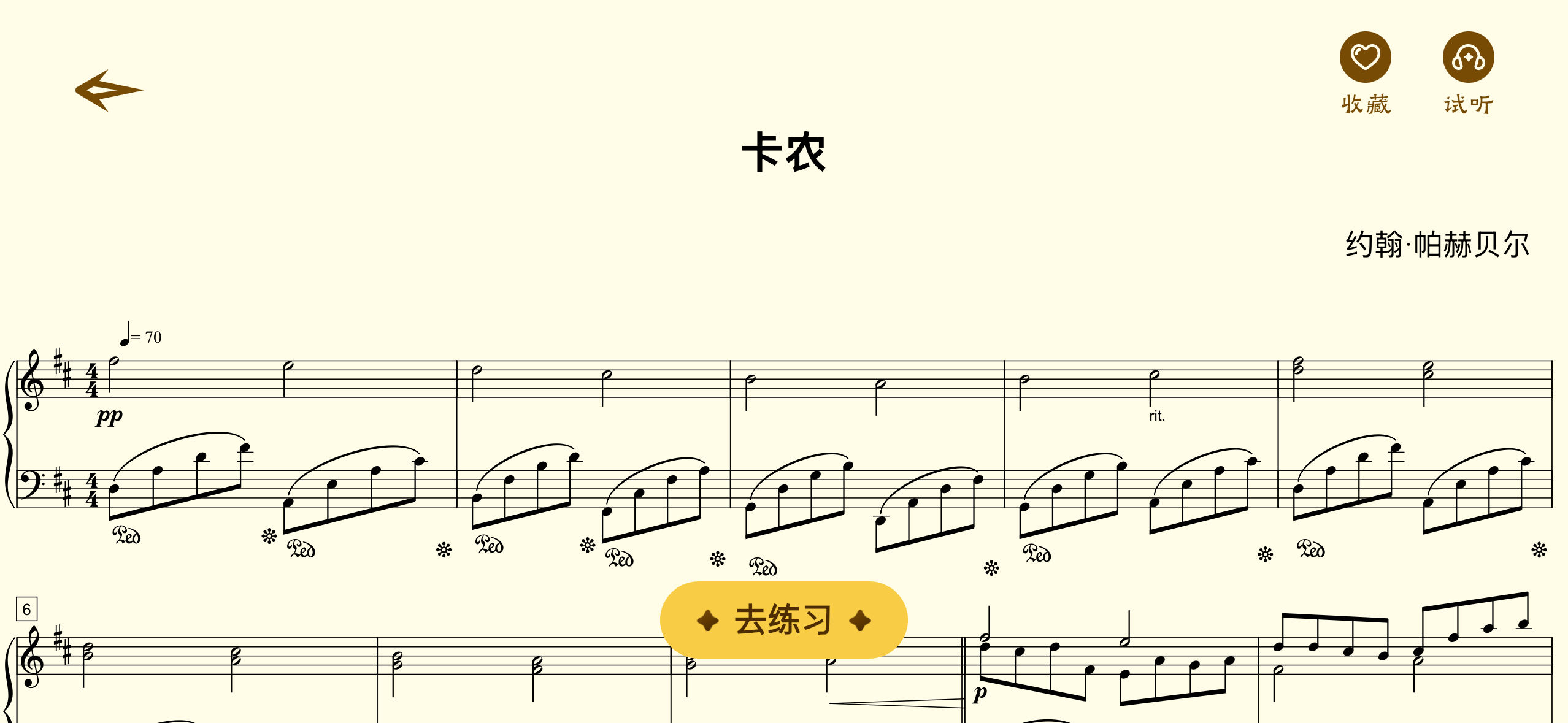
- Canon (Pachelbel, simplified C major version)
Why it sounds impressive: It’s a timeless classic — elegant, stately, and synonymous with sophistication.
Why it’s manageable: Don’t be intimidated by its grandeur. The simplified C major version has a left hand that repeats octave broken chords throughout, while the right-hand melody is slow and lyrical. Once your child gets the left-hand pattern down, this piece comes together quickly.
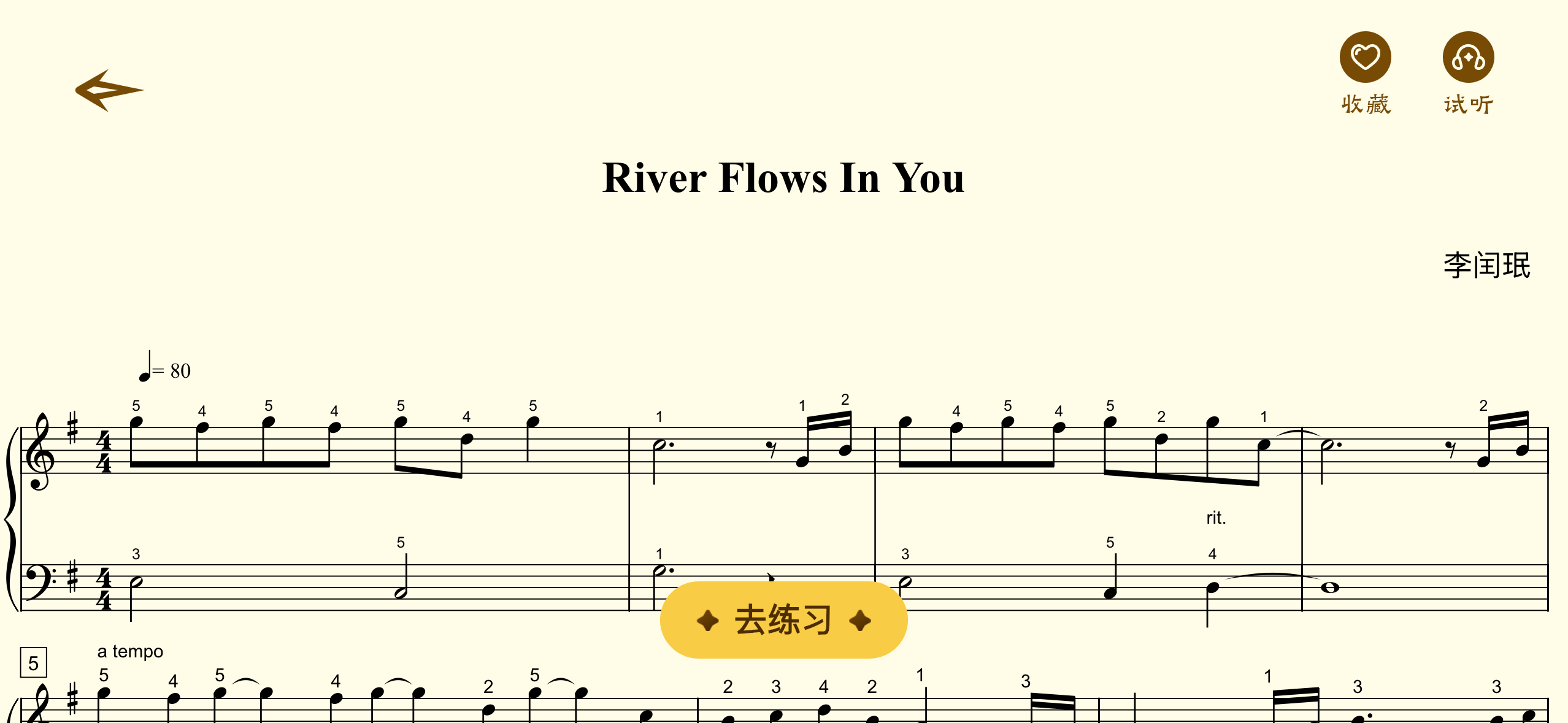
- River Flows in You (Yiruma)
Why it sounds impressive: It’s one of the most recognized modern piano pieces — catchy melody, rich emotion.
Why it’s manageable: The chord progression is very modern and highly repetitive. The left-hand accompaniment pattern is fixed, and the right-hand melody line is clear. It’s perfect for children with some foundation (around Grade 3–4, similar to ABRSM Grade 2–3) and is the top choice for a quick “pop song” win.
- Summer (Joe Hisaishi, from “Kikujiro”)
Why it sounds impressive: It’s a Joe Hisaishi piece — fresh, uplifting, with an artistic, cinematic feel.
Why it’s manageable: The main melody isn’t complex, and the rhythm is brisk. It’s great for training your child’s sense of rhythm and hand coordination, and the result sounds fantastic — children genuinely enjoy playing it.
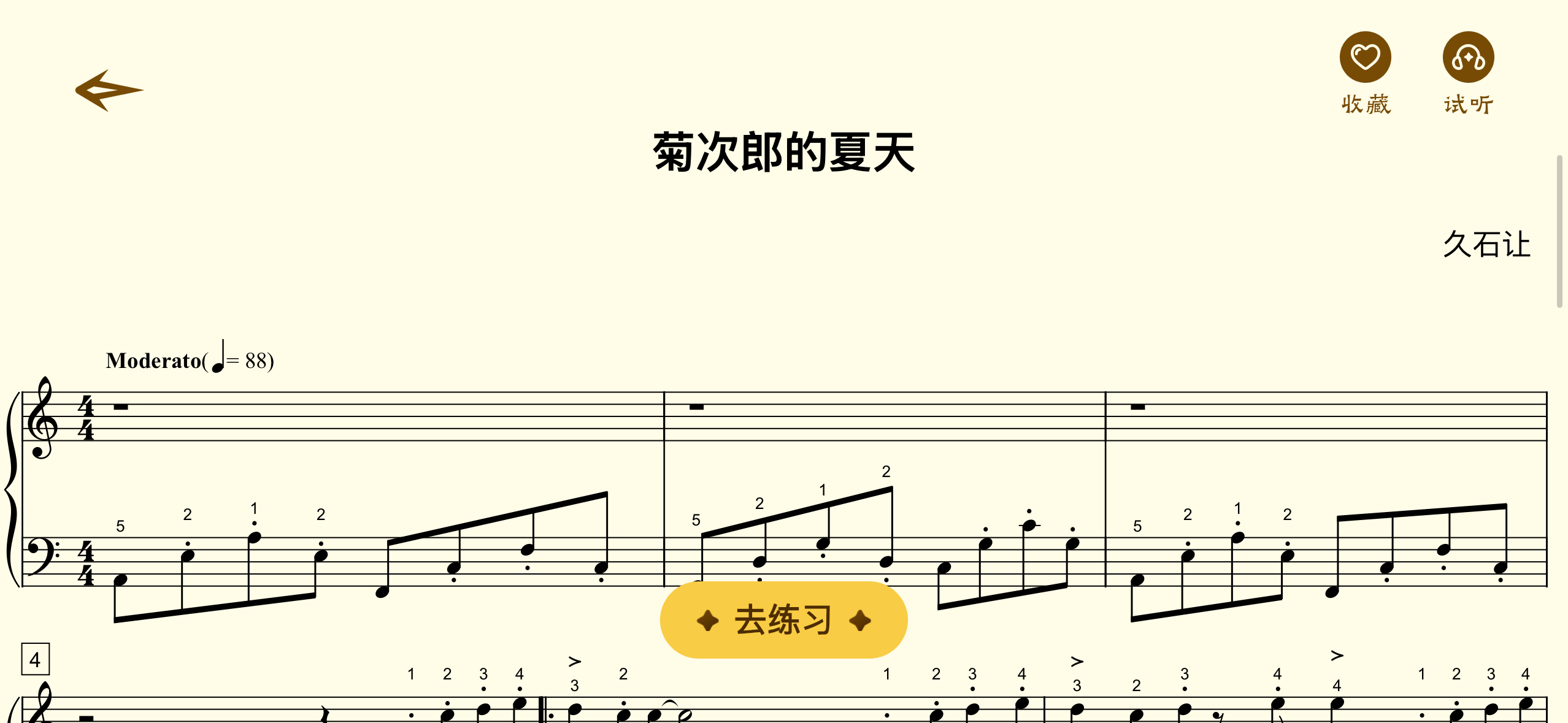
All of these carefully selected pieces can be found in the Wonder Piano app’s sheet music library.
After Knowing “What to Play,” How Do You Get Your Child to Love Playing?
So you understand the idea and you’ve found the right pieces. But a new problem arises: “The sheet music is too hard for my child to read — what do I do?” or “Even with the sheet music, my child still won’t practice and cries at the mention of it.”
This is exactly the core problem that the Wonder Piano app solves. We firmly believe that protecting curiosity and a sense of accomplishment is always more important than “completing the task.” We don’t want parents to be “supervisors” — we want them to be “admirers.”
To make this happen, our “Magic Library” (the in-app sheet music collection) was designed with special care:
- It’s a comprehensive library, not just an exam-prep collection. In our Magic Library, children can find a dedicated “Grading Exam” section for systematic training. They can also explore “Classical” and “Masters” collections, like the Bach Inventions mentioned above. And best of all, they’ll find the “Pop” section they love most — popular classics like “River Flows in You” and many more.

- We replace boring drills with a game-like adventure. We know children resist practicing, so we designed a “Story Quest” system. When a child wants to learn a new piece, they can choose the “Magic Quest” mode — the system breaks the piece into small sections, turning one big goal into many small, achievable ones.

Each time a child plays a section correctly, they unlock a new chapter of the “Magic Adventure” story and earn “Magic Stone” rewards. This perfectly aligns with the psychological concept of “mastery experiences,” reinforcing the connection between practice and positive feedback.
- AI “gentle feedback” protects your child’s self-efficacy. What do children fear most? Harsh criticism from parents when they make a mistake.
Wonder Piano uses real-time AI recognition — your child can practice with just a tablet or phone microphone (no external hardware needed). When the AI detects a wrong note, it doesn’t interrupt immediately. Instead, it uses “gentle feedback” to encourage self-correction.
This “no interruptions, no criticism” approach minimizes frustration and protects that precious “I can do this” belief.
Stop making your child grind through dry scales (though scales are important — the “Scale Exercises” in the Magic Library make them fun too).

Open Wonder Piano now, head to the Magic Library, and help your child pick a piece they truly enjoy — one they can show off a little. When they get their first “Wow!” from someone, what you’ll get in return is a child who actually wants to practice.