Stop Judging by Experience Alone: Smart Parents’ Guide to Choosing the Right Piano Teacher
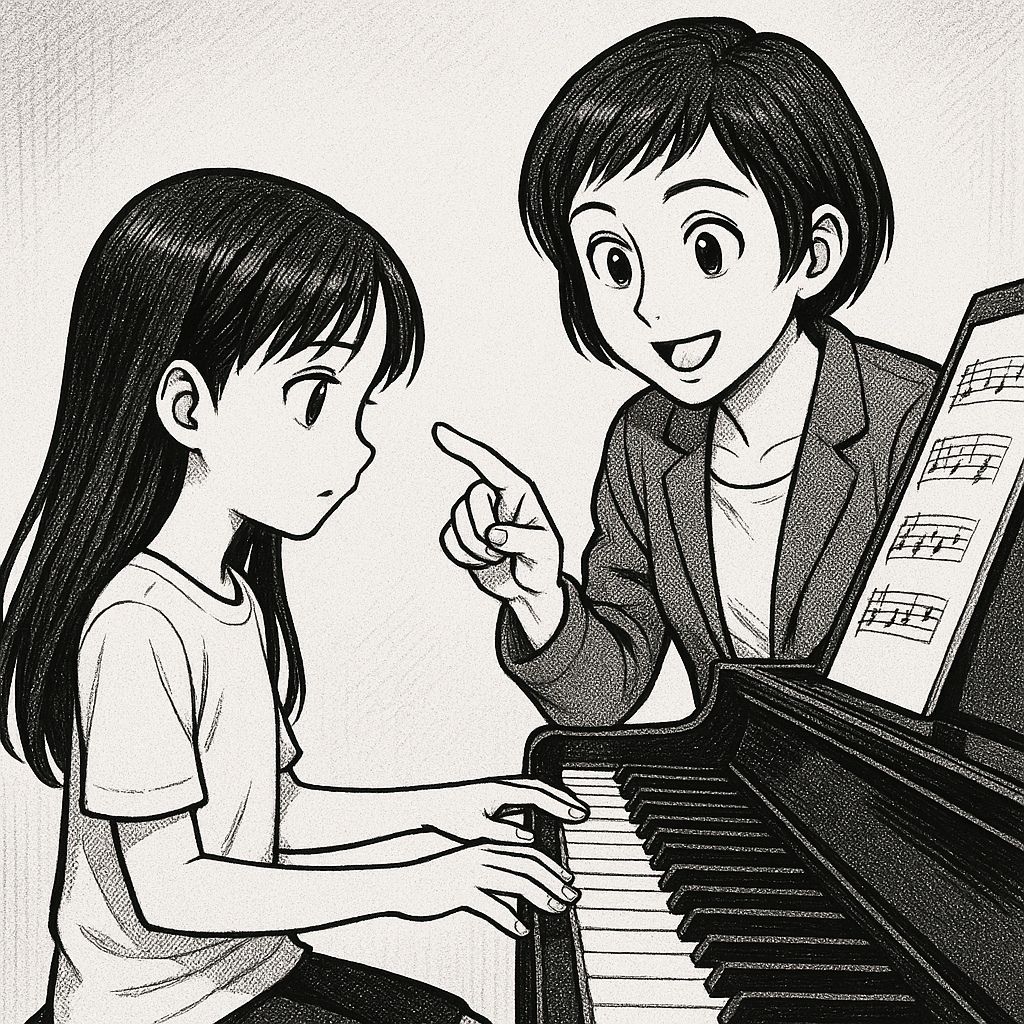
When it comes to your child’s musical journey, choosing the right teacher is one of the trickiest decisions every parent faces.
Some parents worry: “My child is only five — should I look for a young, friendly teacher who can connect with them?”
Others hesitate: “Should I go straight for a veteran teacher with decades of experience? Can my child keep up?”
On the surface, it seems like a question about the teacher’s age. But what it really comes down to is a blind spot in how you’re planning your child’s next three years of piano learning.
Today, we’re not going to talk about labels or shortcuts. We’ll help you understand the real logic behind choosing a teacher, so that every dollar you spend and every hour of support you give truly counts.
Three Common Mistakes Parents Make When Choosing a Teacher
Mistake #1: “Only experienced teachers can teach well”
Many parents immediately ask: “Do you have a teacher with at least ten years of experience?”
But more years doesn’t automatically mean better teaching. Some teachers have ten years on their resume but have essentially repeated the same one year of experience ten times. Meanwhile, other teachers may be newer but constantly refine their teaching toolkit — always finding the right key to unlock your child’s potential.
The better approach: Focus on whether the teacher is a good fit for your child, not on how long they’ve been teaching.
Mistake #2: “Young children need young teachers”
It’s true that younger teachers may find it easier to connect with kids. But being “fun to be around” isn’t the most important thing your child needs. For young beginners, what matters is gentle firmness and building a solid foundation through engaging methods. A teacher who only knows how to encourage without having a real teaching framework is more of a playmate than an educator — and won’t set your child up for lasting musical growth.
The better approach: Young children need teaching that is both warm and structured, not just someone they enjoy hanging out with.
Mistake #3: “One trial lesson is enough to judge a teacher”
Many parents want to make a decision after a single trial class. But here’s the reality: some teachers can make a child very excited in one lesson yet run out of steam later. Others may seem strict at first but, over time, build a deep bond of trust with the child.
The better approach: Observe at least three lessons, and base your judgment on your child’s mood, practice habits, and technical progress combined.
What Should Parents Actually Look For?
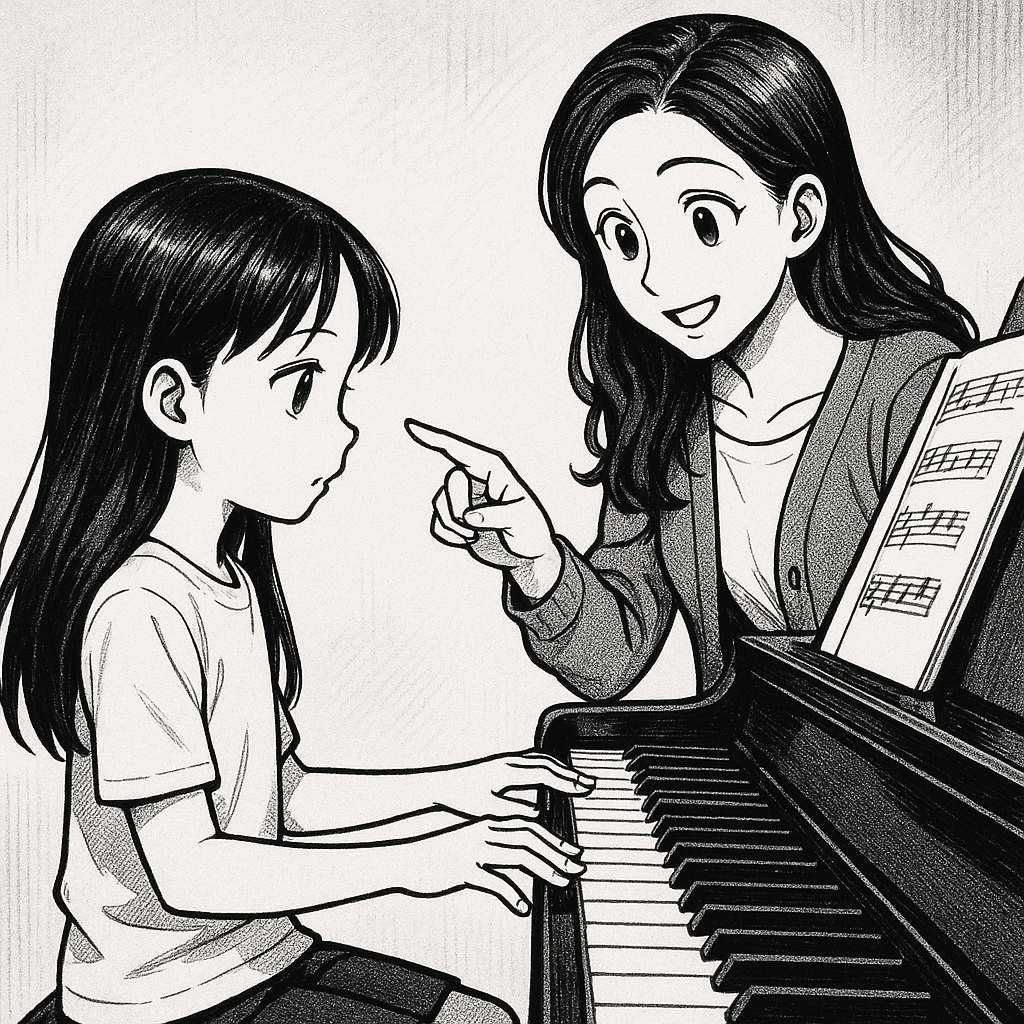
Look for a teacher who has a structured learning plan
A great teacher doesn’t just deliver a good individual lesson — they can see where your child should be in six months or a year. You can ask:
What are the monthly learning goals?
How are practice pieces selected and arranged?
When difficulties arise, how does the teacher adjust the approach?
If the teacher can answer these questions clearly, it shows they teach with intention and a real system in place.
Look for a teacher who understands your child’s psychology around practice
Not every teacher realizes that children don’t refuse to practice because they don’t want to learn — they often just don’t know how to stick with it. A truly great teacher can:
Show understanding when a child pulls back, while still maintaining boundaries.
Read the emotional need behind the “resistance.”
Help the child build a sense of accomplishment, rather than relying on criticism alone.
For example, when a child cries out of frustration over a difficult piece, an average teacher might say, “Stop crying, play it again.” A great teacher would say: “Let’s pause for a moment. Which little monster (note) do you think is causing trouble? Let’s find it and defeat it together, okay?” The first is a command; the second is an invitation. A teacher who understands child psychology can turn tedious practice into an engaging game.
Look for a teacher who collaborates with you, not one who goes it alone
On your child’s piano journey, parents aren’t just bystanders. A great teacher should be able to:
Regularly share feedback on your child’s practice.
Give clear, actionable suggestions for home practice.
Understand and respect your educational approach, rather than insisting that “everything must be done my way.”
A strong partnership between teacher and parent is far more effective than either going it alone.
What If You Can’t Find the “Perfect Teacher”?
In reality, many families don’t have the luxury of choosing between several great teachers — sometimes options are limited. If that’s the case, here are some practical suggestions:
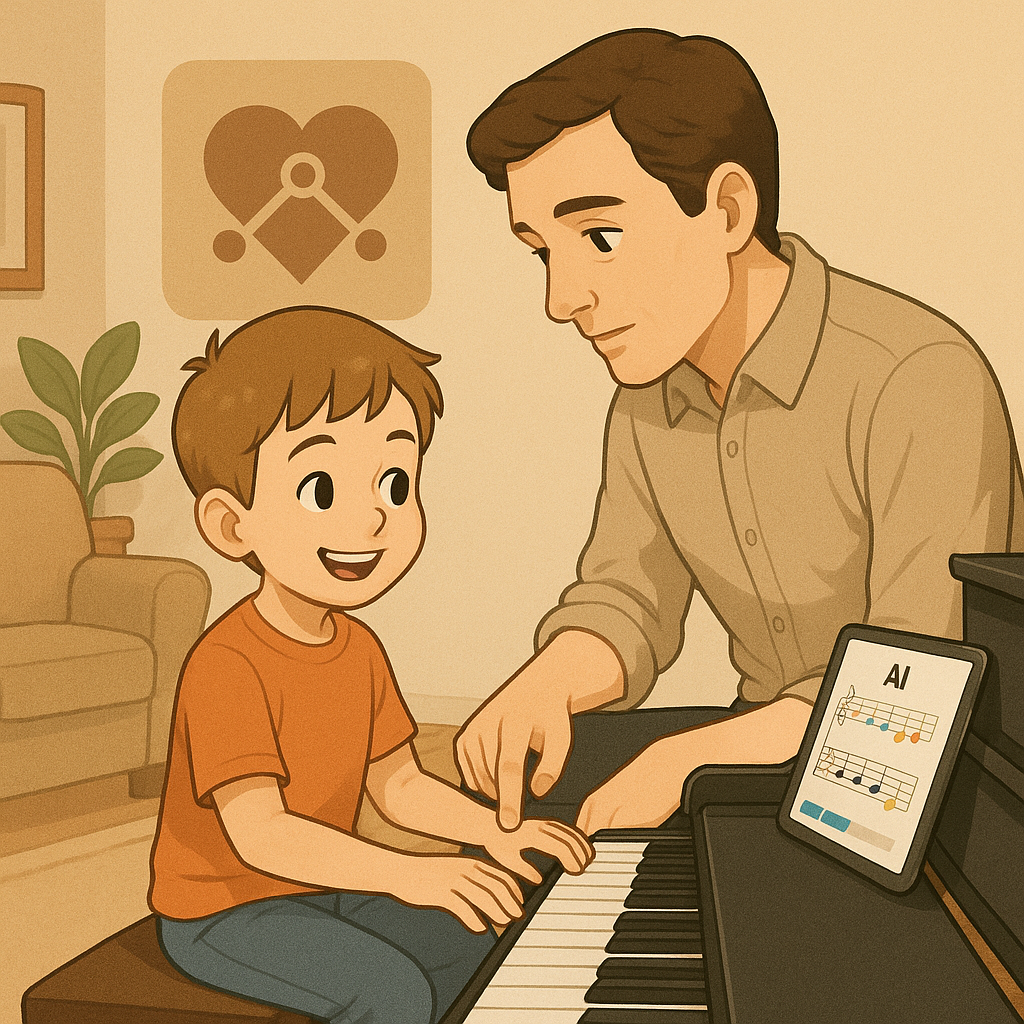
Find a reasonably good teacher and supplement with AI-powered practice tools
Build a collaborative growth system between parent and teacher
Set stage-appropriate goals and adjust them over time
No matter which path you take, they all point to one core truth: the quality of practice at home determines whether lessons succeed or fail. Even if a teacher delivers an outstanding lesson, it all goes to waste if the child doesn’t practice — or practices poorly — at home. This is exactly where AI practice tools can make the biggest difference.
Wonder Piano can fill the practice gap outside of lesson time, providing real-time feedback and motivation so your child’s practice doesn’t depend entirely on someone watching over them.
Choosing a Teacher Is Your Child’s First Lesson in Partnership
Choosing a teacher isn’t about finding the “best” one — it’s about finding someone who truly understands your child and is willing to grow alongside your family.
The ideal learning environment is one where the child gains methods and confidence from their teacher, receives companionship and encouragement from their parents, and gradually builds their own self-sustaining motivation for practice.
Don’t let age and credentials cloud your judgment. The right teacher is someone who sees your child as they are today and is willing to walk with them into the future.
But before you find that perfect match, don’t let your child’s enthusiasm go to waste. That’s why we suggest: instead of agonizing over “which teacher,” start by letting your child build the practice habit first.
A tool like Wonder Piano is designed to be a family’s “practice launchpad.” With AI-powered feedback and gamified challenges, it helps your child build the confidence of “I can do this” and the habit of practicing every day.
When you bring a child who already has genuine interest and solid practice habits to meet a teacher, the power of choice is truly back in your hands.